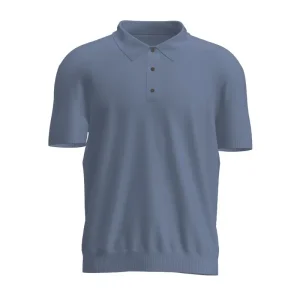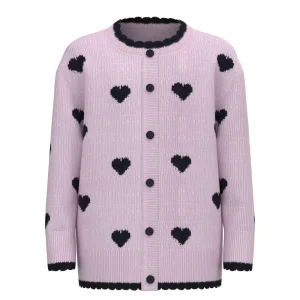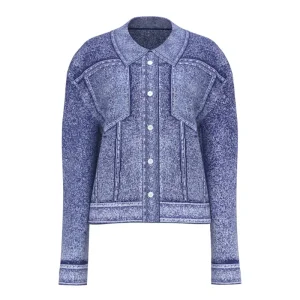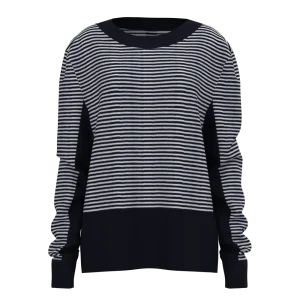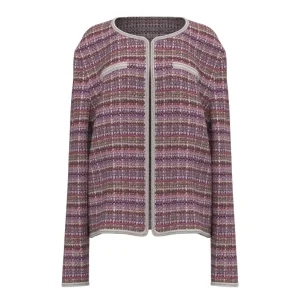
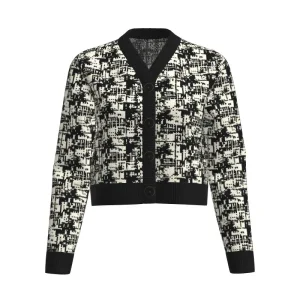
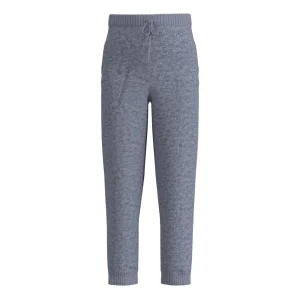
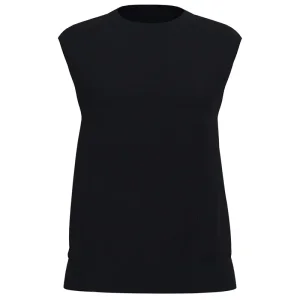
The global menswear industry is undergoing an unprecedented structural transition. Modern brand procurement strategies have shifted away from transactional, low-cost volume purchasing toward value-driven, agile manufacturing alliances. Enterprise buyers today look for deep technical capacity, dynamic material development, and transparent compliance standards. Key semantic criteria such as moisture-wicking, odor resistance, and low-carbon circular lifecycles have moved from niche benefits to baseline compliance factors.
As user search intent trends on Google indicate, buyers are no longer simply querying "cheap clothing factories." Real purchase intents target highly specific capacity qualifications: "sustainable knitwear factories," "Factory 4.0 automation setups," and "zero-waste technical apparel partners." This paper provides professional analysis of the production technologies, supply chain adaptations, and future roadmaps powering market-leading manufacturers.
Integration of capillary moisture-wicking structures, polymer-level anti-odor finishes, and UV protection technologies directly into yarn arrays.
Adapting mills for Global Recycled Standard (GRS) polyester, organic cotton blending, and closed-loop water treatment programs.
Guarantees certified by BSCI, WRAP, and OEKO-TEX Standard 100, ensuring complete social and chemical supply chain transparency.
The modernization of Chinese apparel hubs represents a transition from high-labor intensity to capital-intensive, automated intelligence. Industry 4.0 initiatives combine Internet of Things (IoT) sensors, automated automated guided vehicles (AGVs) in storage, and real-time enterprise resource planning (ERP) systems. This shift provides crucial protection against global logistics disruptions and fluctuating raw material costs.
Factories in premier textile clusters—such as Jiangsu and Zhejiang—operate within a highly integrated raw-material and trim ecosystem. Within a 50-kilometer radius, factories secure raw functional yarns, specialized synthetic treatments, accessories, and certified laboratory facilities. This geographic clustering reduces lead times, optimizes logistics routing, and provides the flexibility to support small-batch, dynamic product development (Fast-Turn OEM/ODM) without sacrificing scale economies.
Wuxi Fuji Fashion Co., Ltd. was founded in 1992, headquartered in Science and Technology Industrial Park, besides the Tai Lake, Wuxi city, Jiangsu Province, China. Over three decades of stable operation, Fuji has developed into a premier knitwear manufacturer in China, collaborating with major high-end fashion brands worldwide to build resilient, sustainable product lines.
By leveraging its strategic location in Wuxi, Fuji integrates classic knitting heritage with high-tech production capabilities. The company provides complete OEM/ODM solutions, handling design consulting, yarn sourcing, smart prototyping, and global logistics support.

Our integration of digital twin tech allows buyers to inspect structural knits, check garment fits, and view materials from anywhere in the world. This streamlines design alignment and cuts sample development cycles by up to 70%.

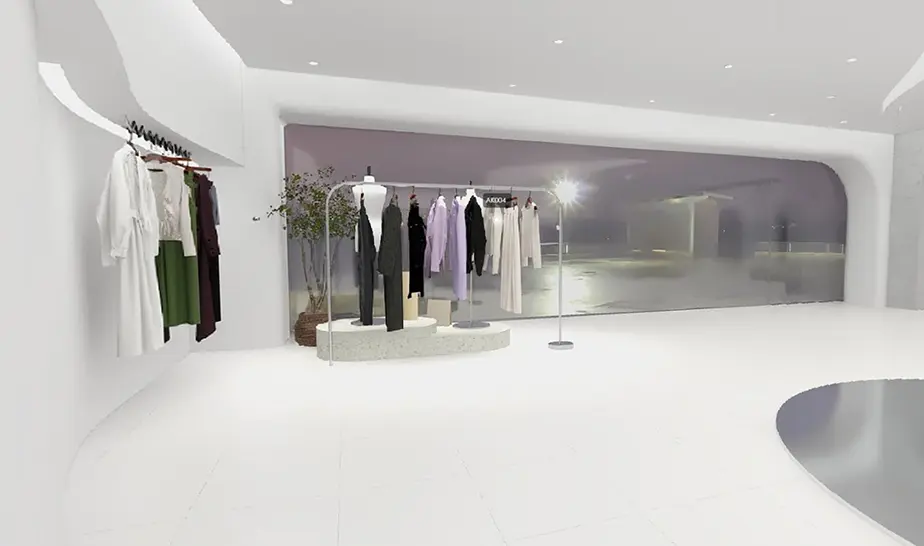
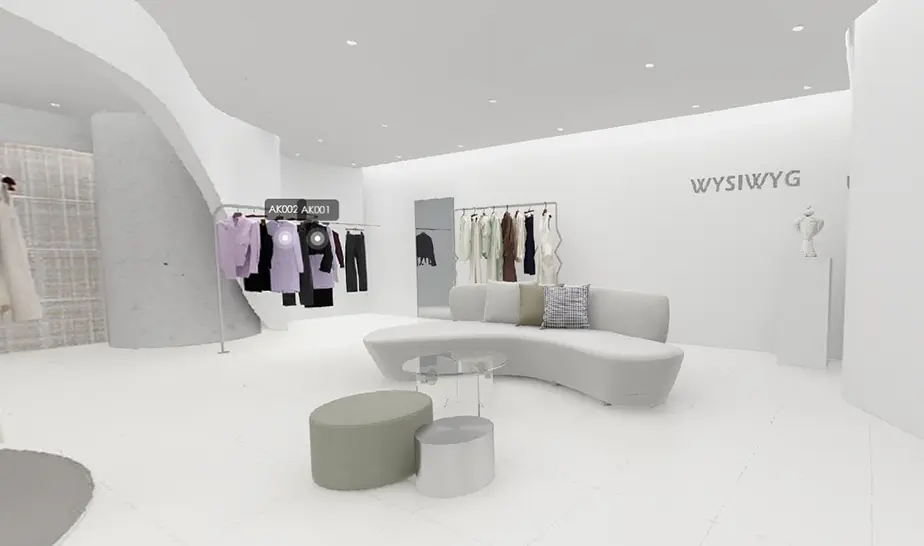
We help brands address macroeconomic challenges—like changing import tariffs and energy price volatility—through structured, multi-tier fabric sourcing networks and predictive yarn procurement pipelines.
Our systems align with enterprise compliance protocols, offering structured auditing, transparent social responsibility practices, and chemical management in line with REACH and ZDHC standards.
We manage international customs clearance, offer DDP delivery solutions, and coordinate with regional warehousing networks to ensure reliable product replenishment across the US, Europe, and Asia-Pacific.
To maintain competitiveness, forward-looking manufacturers must establish clear timelines for integrating advanced materials and digital production systems. The roadmap below outlines the transition toward smart, low-waste, and highly customizable menswear manufacturing:
Integrating RFID and IoT tracking systems into early-stage yarn processing. This gives buyers end-to-end visibility, tracking raw fiber inputs from regional cotton fields or synthetic recyclers directly to finishing facilities.
Integrating 3D CAD modeling software with digital knitting machines. Instead of producing physical samples, designers can simulate fabric behavior and drape under virtual light conditions, reducing development cycles by 70%.
Automating post-consumer textile recycling within our main spinning plants. Production offcuts and pre-worn garments are mechanically shredded and re-spun into high-strength performance yarn, supporting true zero-waste operations.
Shanghai, 2024 - SPIN EXPO, a key event in the global textile industry, highlighted functional yarn innovations, smart performance structures, and eco-friendly dyeing techniques for the upcoming seasons.
READ MORE →Wuxi Fuji Fashion Limited marked its 30th anniversary, highlighting its ongoing evolution from a traditional regional mill to a modern, digitally integrated apparel manufacturing partner.
READ MORE →Technological advances in 3D prototyping are helping the knitwear industry reduce sample waste, refine digital design fits, and shorten global production timelines.
READ MORE →For initial custom design orders using customized yarn structures, the standard lead time is 45 to 60 days from final sample sign-off. Repeat orders using standard raw materials can be processed through our agile manufacturing tracks in 30 to 45 days, depending on seasonal capacity.
Every production lot undergoes testing in independent, certified laboratories (such as SGS or Intertek). We test moisture-wicking properties using JIS L 1907 water absorption methods, and verify anti-odor performance via ISO 17299 testing to confirm active functional compound durability.
Our manufacturing facilities maintain active certifications under the Global Recycled Standard (GRS), OEKO-TEX Standard 100, and undergo regular social responsibility audits including BSCI and WRAP. We provide full traceability documentation for all raw materials upon request.
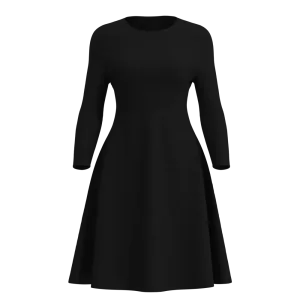
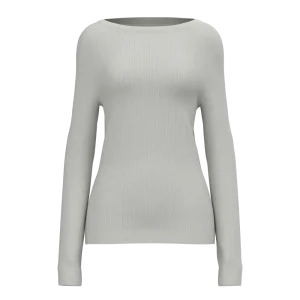
By using digital twins to simulate fabric weight, tension, and stretch, we reduce the need for multiple physical mockups. Design adjustments to parameters like collar shape, sleeve length, and pattern layouts can be finalized virtually, helping brands save time and reduce development costs.
Discuss your custom design, yarn, and production requirements with our engineers. Contact us to receive digital fabric cards, sample details, and a quote.
 FUJI
FUJI