 FUJI
FUJI
Strategic Analysis: Sourcing High-End Women's Knitwear for Uruguay's Fashion Industry
The Uruguayan retail and apparel market is witnessing a major transformation driven by rising consumer awareness, demand for sustainable textiles, and direct access to global supply chains. As a prominent economic player within the MERCOSUR trade bloc, Uruguay has positioned itself as an attractive hub for premium fashion imports, requiring international suppliers to strictly adhere to high standards of quality, reliability, and circularity. This analysis covers the vital industrial patterns, localized compliance rules, and advanced manufacturing strategies necessary to establish a highly reliable B2B apparel supply pipeline between China and Uruguay.
1. Uruguay's Textile Industry: Current Landscape and Seasonal Demands
Uruguay's apparel landscape is distinctly shaped by its geographical location and climate patterns in the Southern Hemisphere. Unlike North American or European markets, the seasonal shift requires reverse collection preparation cycles. High-end brands in Montevideo, Punta del Este, and Colonia del Sacramento need to plan their winter knitwear collections—featuring dense wool fibers, cashmere blends, and insulating textures—months in advance of the Southern winter (June to August).
Furthermore, Uruguay has a deep-rooted historical relationship with wool. It is one of the world's leading exporters of greasy and semi-processed wool. This creates a highly knowledgeable customer base that expects exceptional quality in wool products. B2B buyers looking for apparel manufacturers must offer advanced raw material sourcing—such as extra-fine Australian Merino wool or eco-friendly organic cotton blends—to appeal to discerning Uruguayan consumers.
2. Localized Support & Compliance: Navigating the MERCOSUR Framework
Importing commercial garments into Uruguay requires a thorough understanding of Latin American trade structures. Under MERCOSUR regulations, specific labeling standards are mandatory. Every garment shipped must carry permanent care labels written in Spanish, detailing:
- Fiber composition (percentages of natural vs. synthetic elements)
- Country of origin (e.g., Made in China)
- Specific washing and maintenance instructions
- Registered tax IDs (RUT) of the local Uruguayan importer
At Wuxi Fuji Fashion, we provide comprehensive compliance documentation, pre-labeling options at the factory floor, and coordinate with shipping lines to manage the long maritime transit routes to the Port of Montevideo. Our logistics experts ensure that all shipments are accompanied by precise bills of lading and certificates of compliance, preventing customs bottlenecks and minimizing warehousing costs in South America.
3. China's Smart Manufacturing Advantage: The Wuxi Fuji Standard
The China-Uruguay bilateral trade relationship has deepened, opening up paths for direct business-to-business apparel sourcing. Wuxi Fuji Fashion Co., Ltd., established in 1992 near the scenic Tai Lake in Wuxi, Jiangsu, stands at the forefront of this partnership. Combining traditional craftsmanship with advanced technology, our factory serves top-tier fashion brands worldwide.
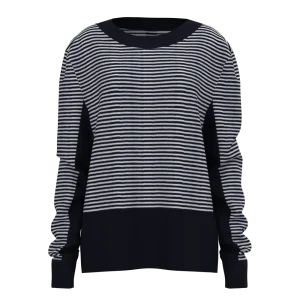
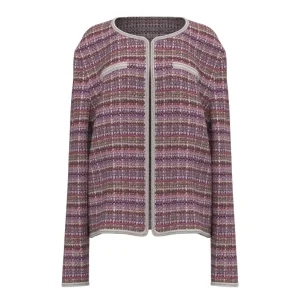
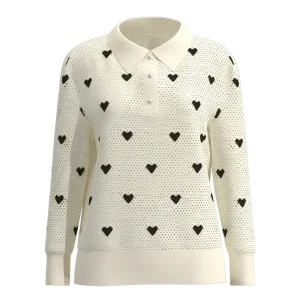
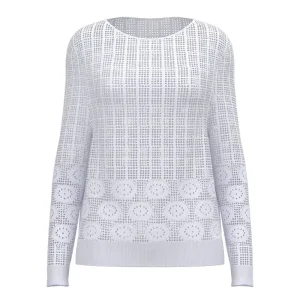
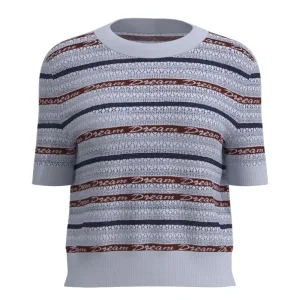
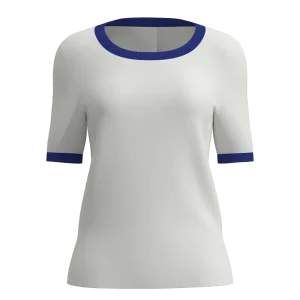
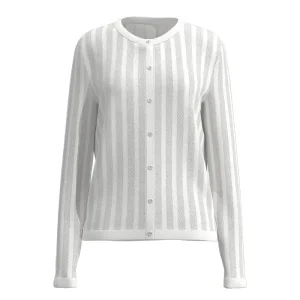
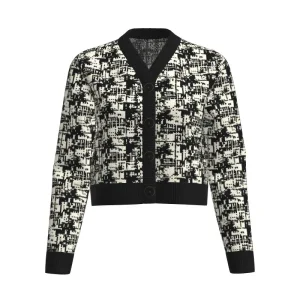
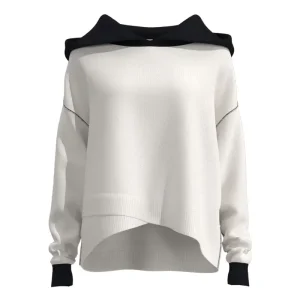
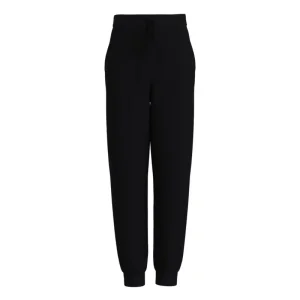
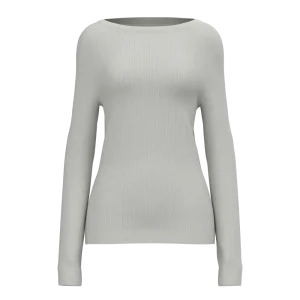
We leverage advanced 3D knitting technology and virtual prototyping systems. Traditional garment sampling takes weeks and consumes substantial fabric resources. Our digital 3D prototyping reduces design cycles to just a few hours. Uruguayan fashion designers can view, rotate, and evaluate virtual garments, requesting modifications in fit, drape, and stitch patterns before a single thread is cut. This high precision reduces product development waste and ensures that final physical samples match client expectations perfectly.
4. Catering to Global Procurement Requirements: Quality Assurance & Sustainability
International corporate buyers require flexible production models. Wuxi Fuji Fashion accommodates these requests through a structured manufacturing system that prioritizes:
- Flexible Minimum Order Quantities (MOQs): Catering to both boutique designers in Montevideo and large retail conglomerates.
- Strict Quality Control Protocols: Applying AQL 1.5/2.5 standards for every batch, including tensile tests for seams, colorfastness evaluations, and dimensional stability trials.
- ESG & Environmental Compliance: Ensuring our manufacturing units hold globally recognized certifications like OEKO-TEX Standard 100, GOTS (Global Organic Textile Standard), and BSCI (Business Social Compliance Initiative).
5. The Future of Sustainable Knitwear Trends
Modern consumers in Uruguay increasingly seek circular fashion. The trend points toward biodegradable fibers, natural dyes, and recycled knitwear. Garments must offer easy-care properties (such as machine-washable wools) without losing their shape or thermal characteristics over time. As smart technology integrates further, we are researching functional yarns capable of temperature regulation and moisture management, ensuring our products stay at the leading edge of fashion tech.