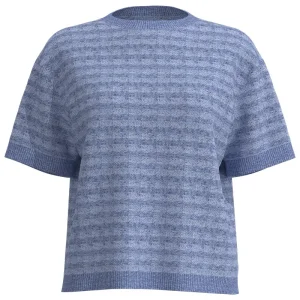
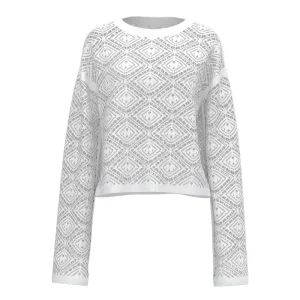
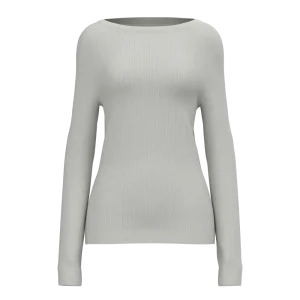
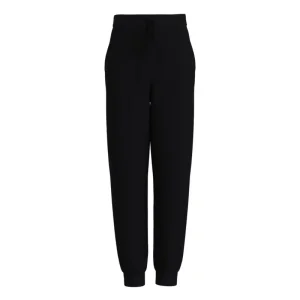
Deploying engineered fiber technologies tailored for high humidity, durability, and modern corporate aesthetic standards.
Indonesia's apparel landscape is marked by robust domestic consumer activity and a pivot toward industrial modernization. Backed by the government's "Making Indonesia 4.0" roadmap, local sourcing networks span prominent zones like the Jabodetabek region, Bandung, and Central Java. However, despite domestic production capacity, regional buyers frequently confront operational limitations regarding premium performance textiles, high-precision circular knitting, and complex multi-fiber custom blends.
For B2B sourcing procurement managers in Jakarta, Surabaya, and Bandung, the challenge lies in securing high-density functional yarns (such as moisture-wicking and odor-resistant polyester-cotton blends) that perform in equatorial temperatures. While local garment factories excel at basic cotton cut-and-sew operations, the integration of advanced performance chemistry—such as nano-treated silver-ion antibacterial yarn coatings—requires sourcing infrastructure with a proven record of industrial excellence.
Through systematic B2B data analysis, three major gaps have been identified in the local Indonesian manufacturing environment:

Founded in 1992 alongside Taihu Lake in Wuxi, Jiangsu, China, Wuxi Fuji Fashion has spent over three decades establishing itself as a premier global knitwear manufacturer. Our macro supply chain framework is built to serve high-end fashion portfolios across the globe, providing reliable raw material sourcing, automated precision production, and specialized logistics operations.
Recognizing the unique logistical and economic environment of Indonesia, we provide comprehensive industrial solutions to ease the friction of overseas sourcing. Through seamless integration of digital design platforms and dynamic yarn sourcing protocols, we address the common challenges of international textile manufacturing.
Modern B2B buyers no longer rely on single-market sourcing. A hybrid model utilizing China's advanced fabric engineering alongside regional localized distribution offers the highest risk mitigation and cost efficiency.
By leveraging close proximity to shipping hubs like Shanghai and Ningbo, we ensure transit times to major Indonesian ports such as Tanjung Priok (Jakarta) and Tanjung Perak (Surabaya) are optimized to minimize lead times.
Under the Regional Comprehensive Economic Partnership (RCEP), tariff lines between China and Indonesia have been streamlined. We provide necessary export documentation to help Indonesian buyers minimize import duties.
Our mills hold international certifications including BSCI, Oeko-Tex Standard 100, and WRAP, satisfying the rigorous compliance audits of major international apparel brands and retail networks.
Entering the Indonesian textile market requires meeting complex localized regulations and compliance checks. At Wuxi Fuji Fashion, we offer specialized localization services that simplify the process for our partners.
Navigating customs (Bea Cukai) in Indonesia requires accurate HS Code classifications and trade declarations. Our specialized export documentation team manages these details directly:
Indonesia's year-round tropical climate requires distinct design considerations compared to temperate markets. Our material solutions focus on comfort and utility:
We design and manufacture apparel solutions optimized for various segments of the Indonesian fashion and corporate uniform markets.
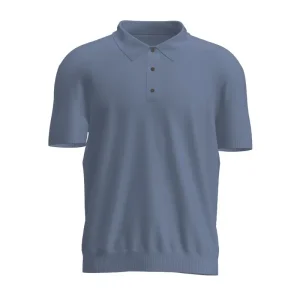
Engineered polo shirts and fine knitwear tailored for professional environments in Jakarta. These items blend executive styling with functional, breathable fabrics suitable for indoor air conditioning and outdoor heat.
Designed for premium fitness brands in centers like Bali and Jakarta. Utilizes interlocking knit structures and flatlock stitching to maximize range of motion and comfort during physical activity.
Caters to the growing segment of eco-conscious consumers in Indonesia. We use organic cotton, recycled polyester (rPET), and modal fibers, supported by transparent supply chain tracing.
Wuxi Fuji Fashion integrates advanced digital design processes to shorten prototyping timelines and minimize waste.
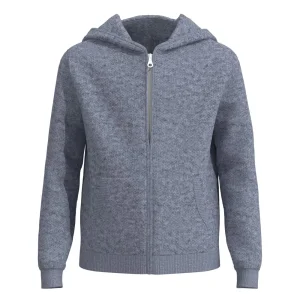
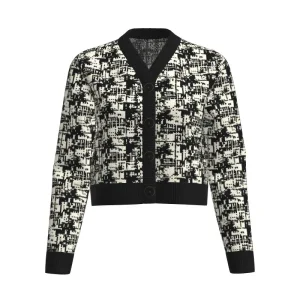
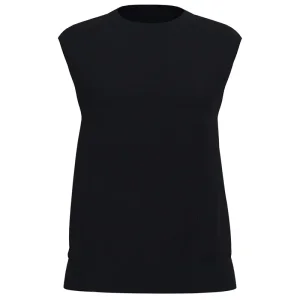
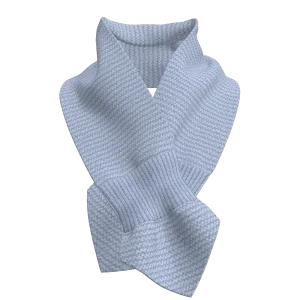
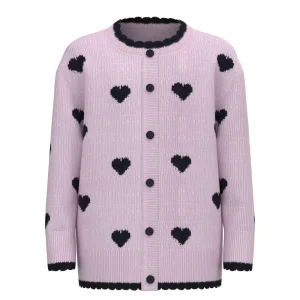
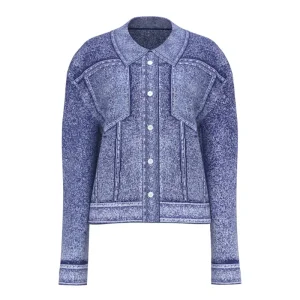
Using 3D digital apparel technology, we convert design concepts into realistic virtual models. This allows buyers to assess fabric drape, pattern placement, and fit adjustments prior to cutting physical samples.
For Indonesian retail operators, this digital approach significantly reduces time-to-market and sample transport costs, facilitating more agile inventory planning.
3D CAD modeling generates photorealistic renders of designs, matching target yarn profiles and textures.
Pattern grading and tension simulations verify how the garment fits and moves on digital avatars.
Confirmed digital prototypes generate direct programming data for our computerized knitting machines.
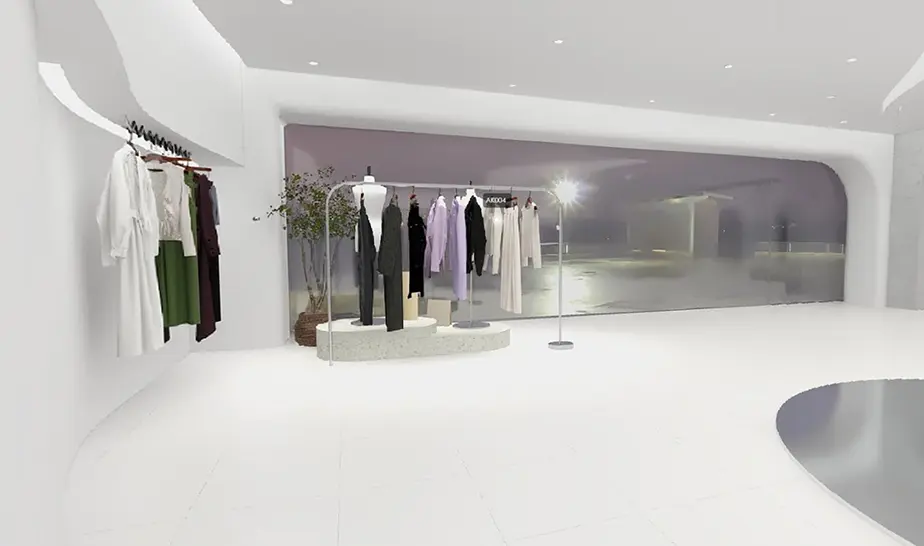
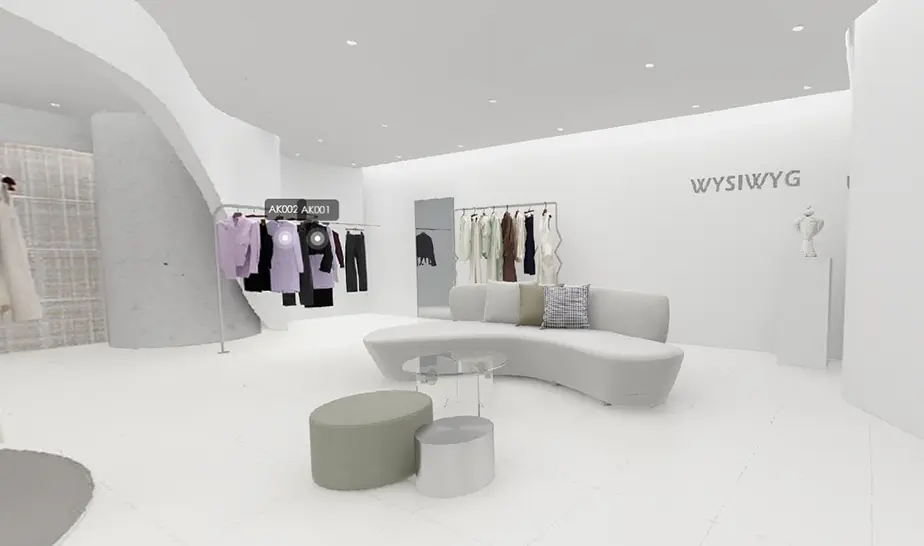
Our digital modeling pipeline helps shorten traditional sampling cycles by up to 70%.
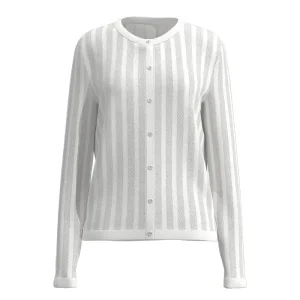
Browse our complete range of high-grade garments and knitwear. Contact us to adjust specifications for your target market.
 FUJI
FUJI