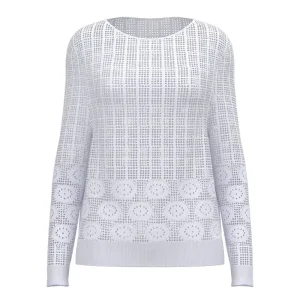
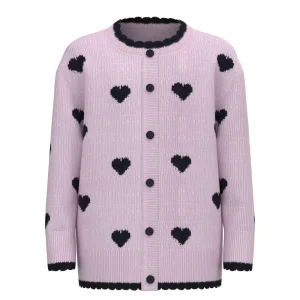
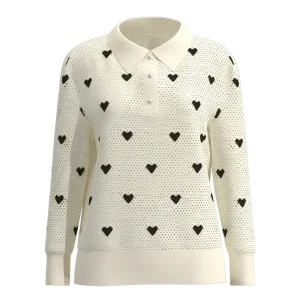
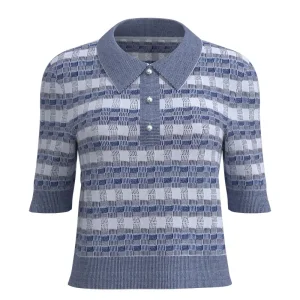
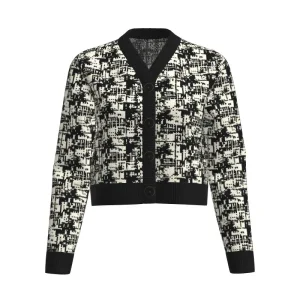
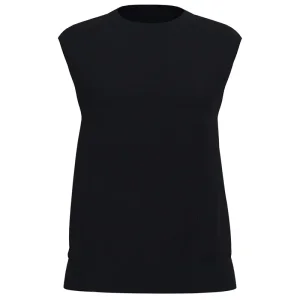
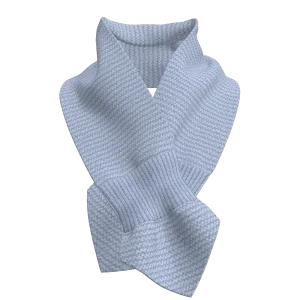
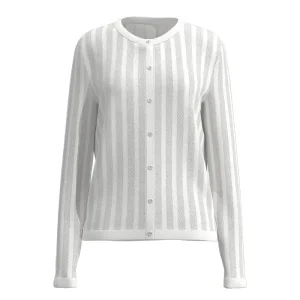
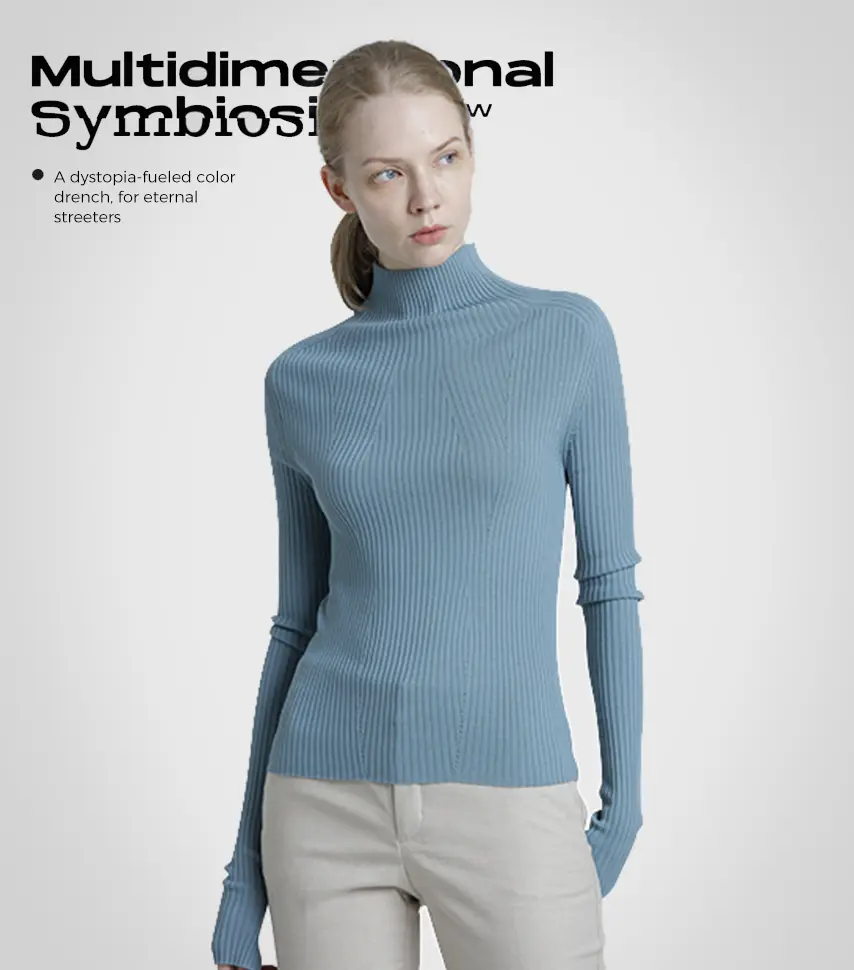
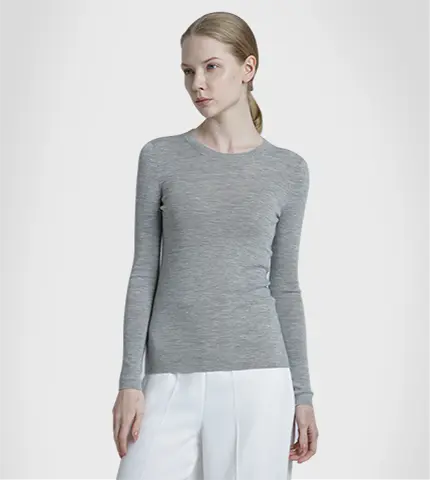
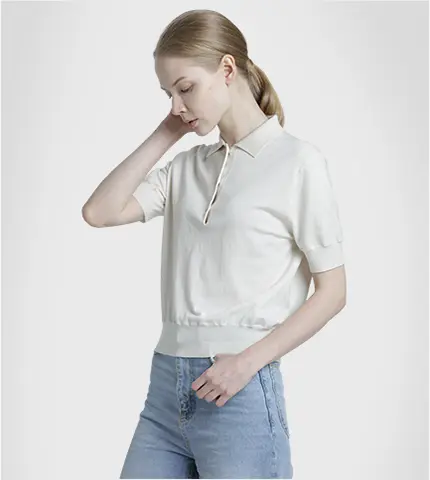
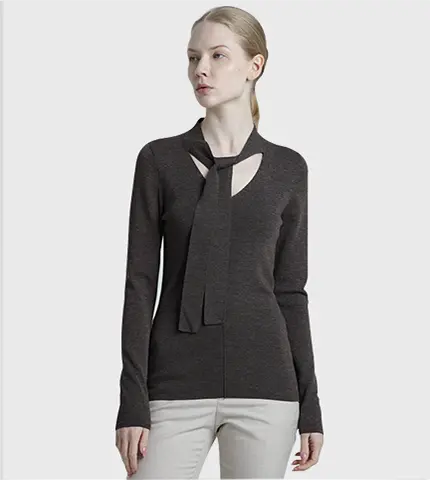
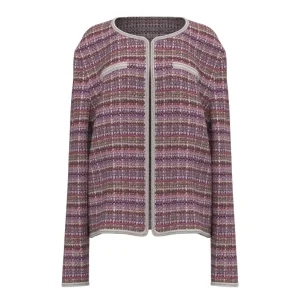
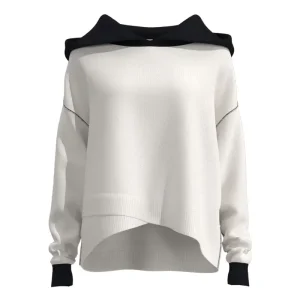
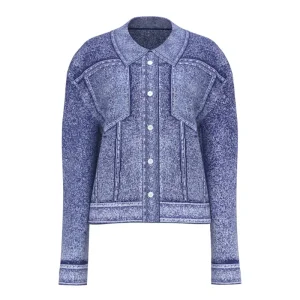
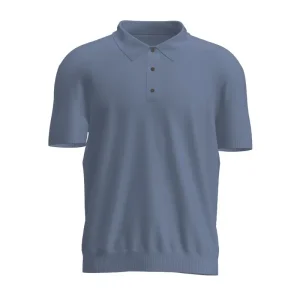
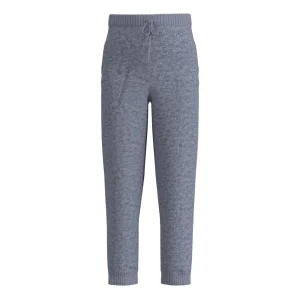
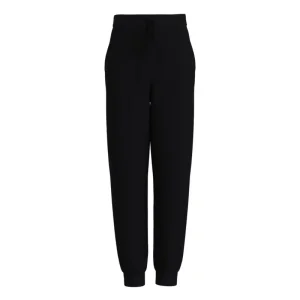
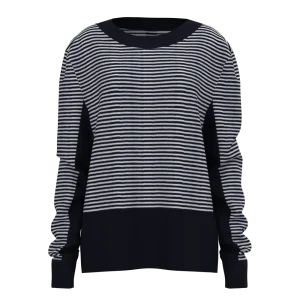
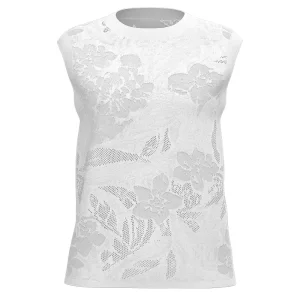
Explore our foundational lines of wholesale sweaters, knitwear cardigans, and custom luxury layers engineered to high-performance industry metrics.
The global luxury knitwear market is witnessing an unprecedented architectural shift. As retail paradigms evolve from fast fashion to sustainable, high-value investment pieces, Ladies Cashmere Cardigan Sweaters have emerged as the cornerstone of premium womenswear portfolios. Cashmere, derived from the undercoat of the *Capra Hircus* goat, is prized globally for its exceptional thermal insulation properties (up to eight times higher than sheep's wool), structural lightness, and unrivaled softness.
For procurement directors, category managers, and wholesale distributors, partnering with an established manufacturer is no longer simply about finding the lowest cost per unit. The contemporary strategic sourcing landscape demands deep supply chain transparency, reliable fiber authenticity verified by laboratory testing, and robust regulatory compliance. Industry forecasts indicate that the global cashmere clothing market will reach an estimated valuation of USD 4.2 billion by 2030, growing at a CAGR of 4.8%. This growth is primarily catalyzed by the rising demand for versatile premium cardigans that bridge the gap between business casual attire and luxury leisurewear.
A key challenge in the wholesale cashmere supply chain is raw material price volatility. Weather patterns in Inner Mongolia, the principal global source of high-quality cashmere fiber, directly influence kidding rates and fiber yield. In this volatile ecosystem, raw materials sourcing strategies must integrate long-term contracts with regional herder cooperatives. This ensures price stabilization and guarantees consistency in raw fiber quality, including staple length (typically 34mm to 38mm for top-tier cardigans) and fiber micron counts, which must remain strictly below 16 microns to minimize tactile irritation and maximize product longevity.
Explore our curated showcase of signature designs, leveraging both local materials and global standard industrial knit configurations.
From an engineering standpoint, the quality of a wholesale cardigan is decided long before the knitting process begins. The mechanical properties of cashmere fibers determine the garment's hand feel, draping, pilling resistance, and dimensional stability after washing. Buyers must evaluate three primary parameters: fiber diameter (micron count), staple length, and color purity.
Grade-A cashmere requires fibers with an average diameter of 13.5 to 15.5 microns and a minimum length of 34mm to 38mm. Shorter fibers (under 30mm) are prone to slipping out of the spun yarn matrix during wear, resulting in the fuzzy surface balls known as pills. For cardigans subject to frequent friction—such as under the arms or along the sides—using Grade-A staple length is essential to maintain a pristine, premium appearance over time.
The spinning methodology defines the structure, weight, and warmth profile of the final cashmere cardigan:
Dyeing chemistry is another critical factor. Cashmere fibers are highly sensitive to thermal and chemical stress. Over-processing during dyeing can strip the fibers of their natural protective lanolin coat, leading to brittle yarn and diminished softness. Utilizing low-temperature, metal-free acid dyes ensures vibrant color fastness without compromising the fiber's structural integrity, meeting both aesthetic demands and global eco-label requirements.
Founded in 1992, Wuxi Fuji Fashion Co., Ltd. is headquartered in the Science and Technology Industrial Park alongside the scenic Tai Lake in Wuxi City, Jiangsu Province, China. Over three decades of focused growth have established Fuji as a leading premium knitwear manufacturer, partnering with prominent high-end fashion brands across Europe, North America, and the Asia-Pacific region.
By blending traditional craftsmanship with advanced technology, Fuji manages a vertically integrated production line. This structure supports precise quality control from raw fiber processing to the final stitch. Strategically located near major shipping hubs, Wuxi Fuji Fashion offers global buyers robust logistical support, flexible MOQ solutions, and short lead times.
LEARN MORE ABOUT US

Modern knitwear manufacturing has evolved beyond manual techniques. Today, the sector utilizes high-speed computerized flat knitting machines that translate complex design patterns into precise garments with minimal waste. At the forefront of this industrial shift is Wuxi Fuji Fashion's investment in advanced automated machinery, including Shima Seiki (Japan) and Stoll (Germany) systems.
The gauge (GG) represents the number of needles per inch on the knitting bed, which dictates the thickness and density of the cardigan fabric:
Traditional cardigan manufacturing requires knitting individual panels (front, back, and sleeves) and linking them manually. While functional, this method creates bulky seams that can feel stiff and restrict movement. In contrast, advanced WholeGarment knitting produces the entire cardigan in one continuous piece. This seamless approach offers several advantages:
Reducing physical sample overhead and cycle times. Our virtual prototyping platform maps knit structures, yarn tension, and colorways in real time.

Sourcing luxury knitwear requires managing complex international trade regulations, customs protocols, and environmental standards. Enterprise buyers must verify that their manufacturing partners comply with key certifications. Wuxi Fuji Fashion maintains rigorous standards to ensure smooth access to international markets like North America, Europe, and the Asia-Pacific region.
We ensure compliance with the Responsible Wool Standard (RWS) and the Sustainable Fibre Alliance (SFA). These certifications guarantee that the cashmere raw materials are sourced from farms that prioritize land management and animal welfare.
Our dyeing processes carry OEKO-TEX® Standard 100 and bluesign® certifications. This verifies that our cashmere cardigans are free from harmful heavy metals, AZO dyes, and synthetic sensitizers.
We provide complete documentation for seamless customs clearance, including certificates of origin, detailed yarn composition analyses, and GSP documentation to help optimize import tariffs.
Understanding tariff schedules is essential for mitigating import costs. For example, under the US Harmonized Tariff Schedule (HTS), knitwear classified under HS 6110.12 (cashmere sweaters) is subject to specific duty rates. By supplying comprehensive testing records and fiber origin certificates, we assist our partners in documenting compliance, streamlining customs processes, and avoiding unexpected border delays.
Stay informed on global knitwear exhibitions, technology milestones, and design trends.
Shanghai, 2024 - SPIN EXPO, a leading force in the global textile industry, is set to showcase new eco-wool blends and sustainable cashmere yarn directions for upcoming seasons.
Wuxi Fuji Fashion Limited is proud to celebrate its 30th anniversary, marking three decades of advanced technology development and premium retail partnerships.
Discover how the integration of 3D virtual fittings and CAD simulation systems is streamlining sample production, reducing waste, and accelerating design-to-shelf cycles.
As the fashion industry transitions toward circular business models and smarter production, the technology roadmap for premium cashmere cardigans focuses on three key areas: digital twins, regenerative agriculture, and smart care integration.
Virtual prototyping has transformed knitwear development. By simulating yarn behavior and stitch patterns in 3D CAD environments, we reduce the need for physical sample iterations. This streamlines design approvals, minimizes yarn consumption, and shortens the path from initial design concept to final bulk production.
Looking ahead, we are exploring bio-synthetic cashmere blends and recycled yarn programs. By combining pre-consumer recycled cashmere with organic cotton or Tencel, we can offer sustainable cardigans that maintain high-quality tactile properties at competitive price points. These initiatives support the long-term sustainability goals of our brand partners and contribute to a more circular fashion ecosystem.
Technical guidance and commercial insights for B2B buyers sourcing ladies' cashmere cardigans.
Optimize your luxury knitwear supply chain. Request technical material specs, customized 3D design prototypes, or a bulk quotation.
REQUEST BULK PRICING NOWComplete your brand portfolio with our full range of wool, cashmere, and blended technical layers.
 FUJI
FUJI