 FUJI
FUJI

Industry Whitepaper: The Global Sourcing Paradigm for Knitted Sweater Green Series
An authoritative analysis on material technology, carbon footprint reduction, digital design integration, and global supply chain risk management.
1. Global B2B Green Sweater Sourcing Trends
In the contemporary B2B apparel landscape, the term "Knitted Sweater Green" carries a vital dual meaning. First, it represents a profound commercial design trend: variations of green—from deep forest, emerald, olive, to soft sage—have solidified their position as essential foundational palettes in both autumn/winter and transitional spring collections. Second, it signifies the global mandate for ecologically responsible production, referring to eco-certified manufacturing processes, green materials, and carbon-neutral factories.
Global brands and supply chain directors are no longer looking for simple, cheap garment production. High-end procurement demands are transitioning rapidly toward partners who offer high information transparency, rigorous material compliance, and predictable shipping timelines. The macro-economic pressure to achieve net-zero carbon goals, combined with strict EU regulations on extended producer responsibility (EPR) and the Digital Product Passport (DPP), has changed the selection criteria for OEM/ODM partners. Selecting a premium manufacturer capable of handling high-precision green knitwear is now a strategic differentiator.
2. Material Engineering & The Chemistry of Green Textiles
Achieving the perfect green tone while maintaining the highest sustainability standards presents significant engineering challenges. Traditional dyeing methods for heavy greens often require high metal concentrations or synthetic compounds that run counter to modern chemical standards. Leading green sweater factories solve this problem through rigorous ingredient and chemical controls:
- Eco-Friendly Chemical & Dye Management: All dyes comply strictly with OEKO-TEX Standard 100 Class 1, Zero Discharge of Hazardous Chemicals (ZDHC) Roadmap to Zero, and Bluesign certifications. This prevents dangerous runoff and ensures safety for skin contact.
- Optimized Fibers: Utilizing high-end natural materials, such as certified organic cotton, Responsible Wool Standard (RWS) Merino wool, and Global Recycled Standard (GRS) polyester, ensuring that the sweater's raw materials can easily be integrated into circular fashion recycling systems.
- Color Consistency & Metamerism Control: Implementing digital spectro-photometer matching (DataColor) to verify color uniformity across multiple batches, ensuring that green tones remain consistent under natural light, artificial retail lighting, and warm domestic environments.
"True ecological design starts at the molecular level. For our green sweater lines, we employ closed-loop dyeing processes that recycle up to 95% of process water and strictly ban azo dyes, heavy metals, and alkylphenol ethoxylates (APEOs)." — Wuxi Fuji Fashion Technical Board
3. Next-Gen Technical Roadmap: 3D Knitting & AI Digital Prototyping
The traditional fashion cycle is notoriously slow and wasteful, often requiring 3 to 5 iterations of physical samples, resulting in massive fabric waste and shipping delays. Our technological roadmap resolves this challenge by utilizing advanced digital systems directly on the factory floor:
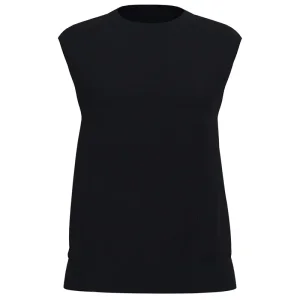
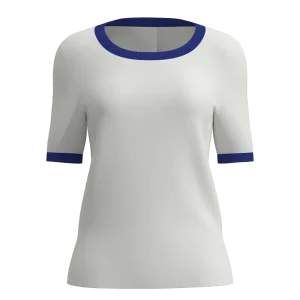
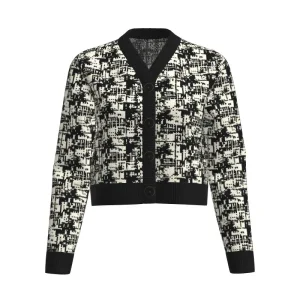
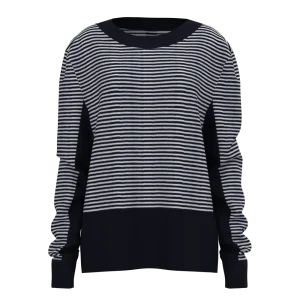
By using virtual 3D CAD visualization software (such as Shima Seiki's Apex series or Stoll's CREATE Plus), design teams can construct high-fidelity digital twins of green knitted sweaters. This technology precisely mimics yarn tension, loop density, color blends, and body fit. As a result, physical sampling cycles are reduced by over 70%, allowing global buyers to approve designs in days rather than weeks.
Furthermore, we utilize state-of-the-art flat knitting machines that support WHOLEGARMENT (complete seamless knitwear) technology. Unlike traditional cut-and-sew methods, which waste up to 20% of premium yarn during panel cutting, seamless knitting constructs the entire green sweater in a single three-dimensional piece. This virtually eliminates waste, improves structural durability, and delivers a superior, seamless tactile experience to the consumer.
4. Macro Industry Solutions for Global Procurement Risks
Contemporary B2B sourcing managers face volatile retail demands, inflation, shipping delays, and geopolitical uncertainties. A reliable manufacturing partner must act as a risk-mitigation hub, not just a production plant. Our macro-level solutions focus on three major pillars:
- Agile Production & Elastic MOQ: To prevent overproduction and dead stock, we offer hybrid manufacturing strategies. Core stock can be produced in large runs to minimize unit costs, while seasonal colors and styles are manufactured in rapid-response batches with flexible Minimum Order Quantities (MOQs).
- Supply Chain Transparency & Digital Tracking: We integrate comprehensive Enterprise Resource Planning (ERP) systems with Manufacturing Execution Systems (MES) to allow real-time status visibility from yarn procurement to final packing.
- Localized Distribution & Trade Compliance: By working with a diversified logistics framework, we ensure seamless customs clearances under modern trade regulations (such as US Uyghur Forced Labor Prevention Act compliance and EU Deforestation Regulation alignment).