Explore our highly-curated selection of premium knitwear and essentials engineered with sustainable luxury fibers.
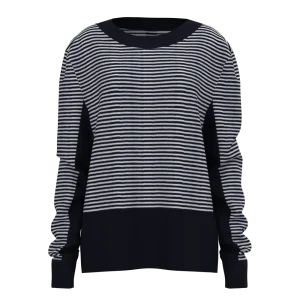
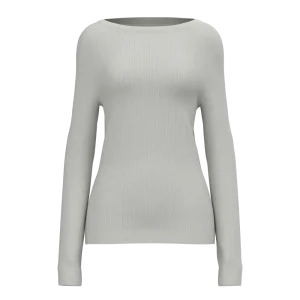
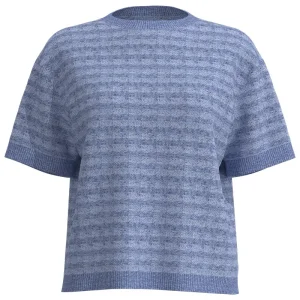
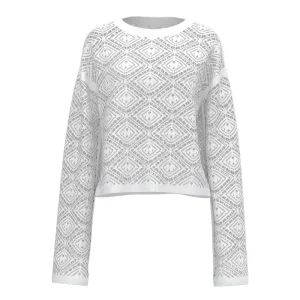
Understanding supply dynamics, consumer shifts toward circular luxury, and systemic market forces.
The global knitwear industry is undergoing a structural paradigm shift, driven by the emergence of "Green Cashmere" as the focal point of eco-responsible luxury. Historically, raw cashmere was valued purely for its micron fineness, fiber length, and thermal properties. Today, high-end fashion conglomerates and independent boutiques alike demand a holistic manufacturing ecosystem. Green cashmere jumpware represents the intersection of premium animal husbandry, eco-certified scouring and dyeing processes, and zero-waste fabrication methods.
As regulatory bodies in the European Union and North America implement strict digital product passports and EPR (Extended Producer Responsibility) schemes, global fashion houses are aggressively shifting procurement channels towards audited, carbon-offset manufacturers. This ecological transition requires high-precision supply chain tracking—from the pasture grass management in Inner Mongolia to low-impact dyeing complexes in China. Sourcing sustainable green cashmere jumpers has transitioned from a niche marketing tactic into an essential corporate compliance mandate for global fashion distributors.
Global demand patterns reveal that consumers expect green cashmere jumpers to deliver both unmatched tactile luxury and transparent lifecycle reporting. Consequently, manufacturers must deploy advanced technology, such as eco-certified reactive dyes, chemical-free finishing agents, and state-of-the-art waste water treatment facilities, to protect local habitats while preserving the characteristic cloud-like softness of Mongolian cashmere fiber.

Founded in 1992 and headquartered in the Science and Technology Industrial Park alongside the picturesque Tai Lake in Wuxi City, Jiangsu Province, China, Wuxi Fuji Fashion Co., Ltd. has established itself as an elite knitwear manufacturer. With over three decades of engineering and fabrication expertise, Fuji works intimately with major high-end fashion brands worldwide to translate creative design into scalable production lines.
The manufacturing efficiency of Chinese factories is not merely defined by production speed; it is anchored in deep vertical supply chain integration. In Wuxi, the raw fiber sourcing, yarn carding, precision dyeing, computerized flat-knitting, and final hand-linking are situated within a unified geographic cluster. This structural setup enables unprecedented agility: prototype samples can be finalized in days rather than weeks, and high-gauge complex structures can be manufactured under strict automated quality control.
Furthermore, Chinese manufacturers lead the deployment of advanced software platforms such as Shimaseiki's SDS-ONE APEX series, which facilitates highly precise 3D virtual sampling. This digital workflow reduces material waste and minimizes the carbon footprint of physical prototype transit, embodying a truly ecological design process.
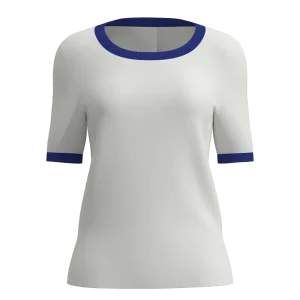
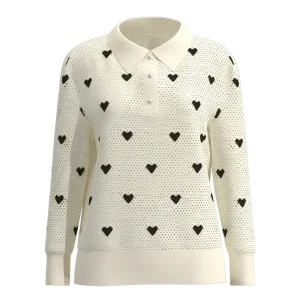
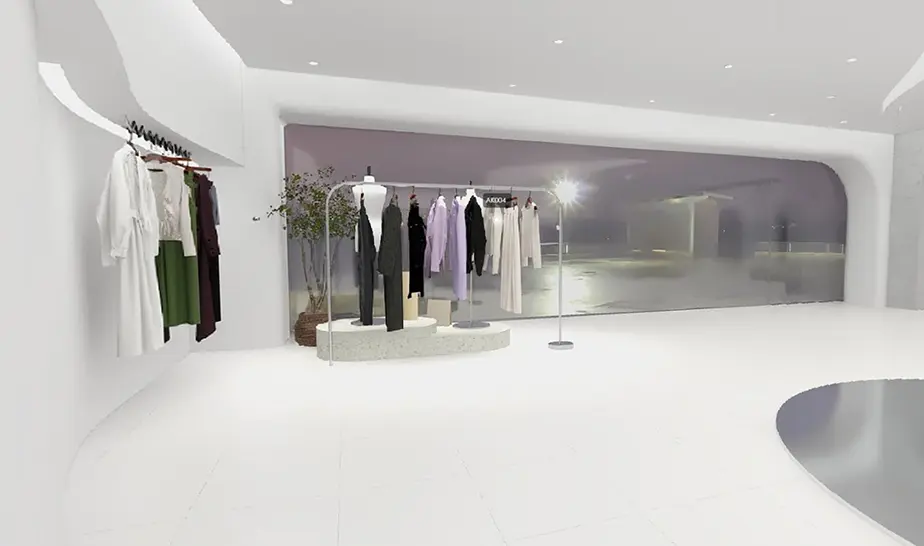
Step inside our state-of-the-art virtual studio. We utilize high-fidelity 3D modeling and digital rendering to eliminate sample waste and accelerate global procurement.


From micro-climate adaptations to strict enterprise compliance frameworks across continents.
Cashmere jumpers must adapt to distinct geographical climates. In Northern Europe and North America, B2B buyers demand heavier 7GG to 9GG multi-ply knit structures to combat harsh winters. Conversely, East Asian and Southern European markets prefer ultra-lightweight 14GG to 16GG single-ply green cashmere garments, designed for transitional layering in temperate, micro-urban workspaces.
Enterprise procurement departments utilize strict vendor auditing protocols. Suppliers must offer comprehensive supply chain documentation, including GOTS (Global Organic Textile Standard) certification, OEKO-TEX Standard 100 verification, and RWS (Responsible Wool Standard) alignment, validating that no harmful toxins or unethical shearing processes occur during manufacturing.
Modern luxury distributors require optimized packaging and streamlined logistical solutions. Wuxi Fuji Fashion implements biodegradable sugarcane packaging bags and compressed shipping configurations. This process reduces transport volumes by up to 30%, lowering ocean and air freight carbon footprints while maintaining the knitwear's shape and loft.
When engineering high-end cashmere garments, procurement directors must evaluate several core structural criteria to ensure long-term durability, pilling resistance, and premium handfeel. Wuxi Fuji Fashion employs advanced textile engineering parameters:
The future of premium cashmere manufacturing lies in digital automation and chemical transparency. By transitioning to computerized WHOLEGARMENT (seam-free) 3D knitting technology, manufacturers can save up to 20% on raw material usage by knitting garments in one continuous piece. Circular fashion concepts, including the incorporation of GRS (Global Recycled Standard) certified post-consumer recycled cashmere blended with virgin long-staple fibers, are also gaining significant traction. These innovations enable brands to offer circular economy solutions without compromising the soft, luxurious drape of high-end knitwear.
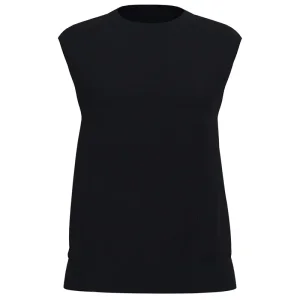
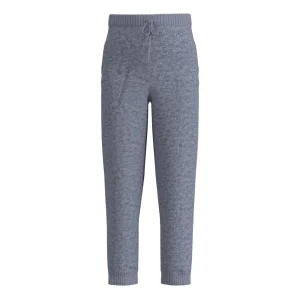
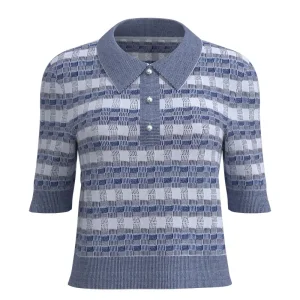
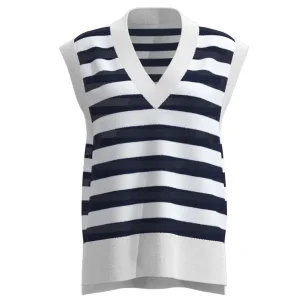
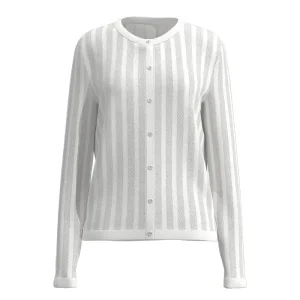
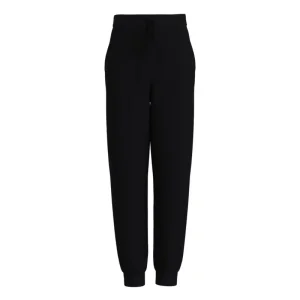
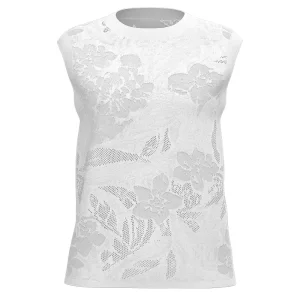
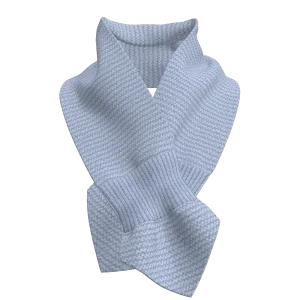
Explore our second catalog segment, featuring precision-cut knitted trousers, children's luxury cashmere wraps, and modern cardigans.
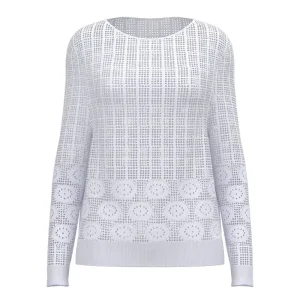
Expert answers addressing the logistical, structural, and ecological questions of B2B procurement managers.
Green cashmere is characterized by its comprehensive social and environmental footprint. This criteria includes pasture conservation policies that prevent desertification in Inner Mongolia, ethical animal husbandry guidelines (Responsible Wool Standard), toxic-free scouring agents that protect local waterways, and certified low-impact dye processes that meet OEKO-TEX Standard 100 and REACH requirements.
Our typical Minimum Order Quantity (MOQ) for custom ODM/OEM cashmere orders is 100 to 200 units per color/style, depending on the selected yarn gauge and design complexity. For stock-supported yarn colors, we can occasionally facilitate smaller production batches.
Pilling is controlled through precise yarn engineering. We use long-staple fibers (average length >34mm) and apply optimal twist counts during spinning. By adjusting knitting tension on Shima Seiki computerized machines and applying proprietary eco-washes, we achieve a pill rating of Grade 3-4 (in accordance with ISO 12945-2 testing standards).
We leverage integrated SDS-ONE APEX 3D simulation tools to construct high-fidelity digital twins of knit structures. This process allows brand partners to evaluate colorways, stitch dynamics, and draping behaviors in real-time, eliminating multiple physical sampling cycles and significantly reducing time-to-market.
Yes. Our partnering dye facilities utilize modern closed-loop water treatment infrastructures. These sites are certified under bluesign® and ZDHC (Zero Discharge of Hazardous Chemicals) protocols, ensuring zero discharge of harmful substances back into local watersheds.
Stay informed with current market analyses, textile developments, and corporate announcements from our Wuxi operations.
Shanghai, 2024 - SPIN EXPO, a leading force in the global textile industry, is set to dazzle once again. Discover our latest yarn trends and circular designs...
Wuxi Fuji Fashion Limited is thrilled to announce the grand celebration of its 30th anniversary, marking three decades of high-end knitwear excellence...
As technology advances, the application of 3D technology in the knitwear industry is rapidly gaining ground, optimizing production and reducing prototyping waste...
We strive to provide our global clients with unmatched product quality. Request technical information, custom yarn swatches, or volume production quotes today.
INQUIRY NOW FUJI
FUJI