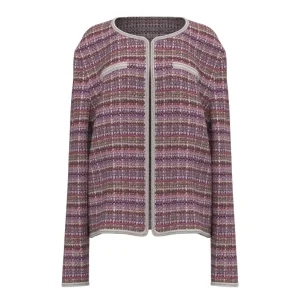
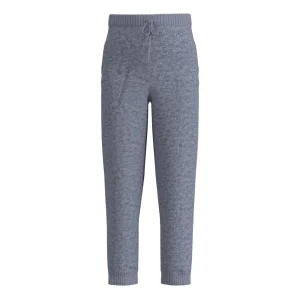
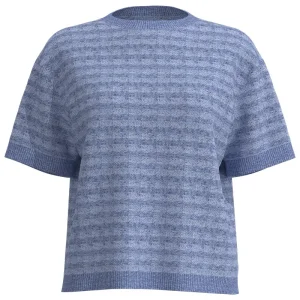
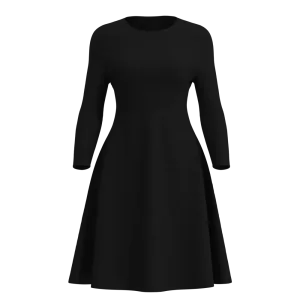
Explore our curated selection of high-end apparel engineered using precision techniques and premium yarn sourcing.
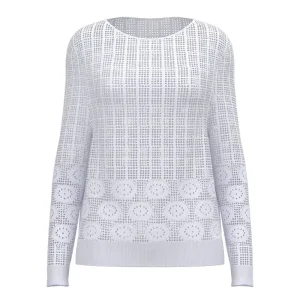
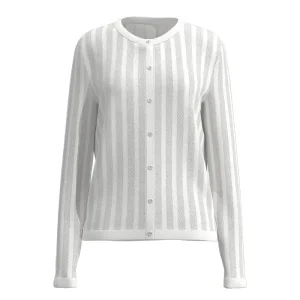
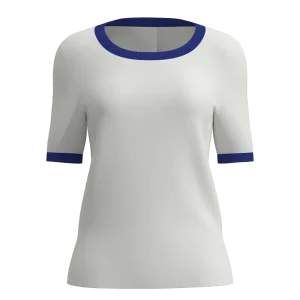
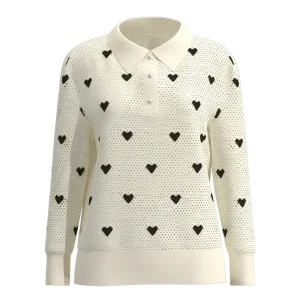
Analyzing the shift from traditional hand-knits to technical, heavy-gauge premium industrial apparel.
The global luxury and premium apparel sectors have experienced a profound shift in consumer preference toward heavy-gauge knitwear, commonly identified in B2B markets as chunky wool jumpers. Once relegated strictly to functional winter clothing or heritage fishing wear, heavy-knit products have become cornerstone collection offerings for high-end ready-to-wear brands worldwide. Today, chunky knitwear represents a union between rugged outdoor aesthetics and advanced tactile engineering.
From a technical standpoint, the market definition of "chunky" wool jumpers covers garments constructed using coarse gauge needles—typically ranging from 1.5GG to 7GG (gauge counts denoting needle density per inch). The primary driver behind the current growth is the premiumization of functional clothing, where buyers demand oversized shapes, defined cable textures, and natural insulation properties without accepting excessive weight or structural breakdown. In modern retail markets, these garments are expected to deliver thermal efficiency while maintaining structural integrity over cycles of dry cleaning or machine washing.
Global demand is consolidating around certified fibers. RWS (Responsible Wool Standard) and GOTS-certified organic wool are essential compliance mandates for modern B2B buyers sourcing high-value knitwear.
Innovations in blending fine merino wool with sustainable synthetic carriers (such as recycled polyester or Tencel) optimize cost, durability, and hand-feel, reducing typical pilling scores to Grade 4-5.
Advanced 1.5GG, 3GG, and 5GG knit patterns are engineered using complex structured layouts. Specialized carding techniques ensure bulk without excessive physical weight, improving comfort.
Selecting the correct knit gauge determines not only the visual silhouette of the chunky jumper but directly dictates the yarn counts required, production run times, and raw material pricing structures. The table below represents the technical standard for global sourcing teams.
| Knit Gauge (GG) | Common Stitch Structures | Suitable Yarn Types | Weight per Garment (Avg) | Primary Commercial Use Case |
|---|---|---|---|---|
| 1.5GG - 3GG | Half Cardigan, Fisherman Rib, Cable Knits | Thick Roving Yarn, Multi-ply Merino/Alpaca blends | 700g - 1200g | High-end designer outerwear, luxury winter statement pieces |
| 5GG | Full Cardigan, Tuck Stitches, Heavy Intarsia | Double-ended carded wool, Wool/Acrylic blends | 500g - 750g | Premium high-street fashion brands, lifestyle apparel |
| 7GG | Milano Rib, Structured Waffle, Seed Stitch | Fine Merino, Cashmere blends (2-ply or 3-ply) | 350g - 500g | All-season layering, high-end workwear, modern minimal knits |
Operational data and key performance indicators driving knitwear manufacturing productivity.
Key risk management factors, compliance requirements, and logistics variables for enterprise buyers.
Sourcing chunky wool jumpers at scale presents unique operational challenges that differ from standard cut-and-sew knitwear production. Because heavy-gauge garments consume significantly higher raw material volumes, yarn cost management becomes the primary driver of the unit price. Enterprises must evaluate chemical usage, dye lot matching, supply chain transparency, and quality control metrics to protect brand equity.
One of the primary failure modes of heavy wool knits is pilling. Coarse gauges utilize yarns with lower twist factors to preserve a soft hand-feel, which naturally increases fiber friction and pilling risk. To mitigate this, advanced factories implement chemical finishes (such as polymer treatments) or integrate long-staple wool fibers (e.g., Merino wool fibers with fiber lengths exceeding 70-80mm). B2B procurement teams must specify a target pilling grade under testing protocols (such as ASTM D3512 or ISO 12945-1) prior to approving bulk production.
For brands operating in North America and Western Europe, adherence to safety guidelines is mandatory. Production facilities must comply with European REACH regulations, OEKO-TEX Standard 100 classifications, and zero-discharge chemical protocols. Moreover, modern brand governance requires factories to provide verified BSCI (Business Social Compliance Initiative) or SMETA audit certificates to prove safe and fair working conditions.
Shipping logistics are uniquely impacted by chunky knitwear's volume. A standard shipping carton can hold fewer heavy 3GG sweaters than thin 12GG fine-knit sweaters, increasing volumetric freight costs. Professional manufacturers use high-pressure vacuum-seal packaging systems to compress garments during transit. This packing method optimizes shipping container space, reducing logistics expenses and minimizing carbon footprints.
Exploring the integration of automation, 3D knit design, and agile manufacturing in premium Chinese knitwear hubs.
Traditional manufacturing of chunky jumpers requires panels (front, back, and sleeves) to be knitted separately and joined by hand-linking operators. This labor-intensive step introduces human error, thick seams, and high yarn waste rates. Modern Chinese factories have integrated next-generation computerized flat knitting machines, such as the Shima Seiki Mach2XS series.
By employing 3D seam-free knitting technology, factories can produce complete, ready-to-wear heavy-gauge garments in a single process. This method offers several key advantages:
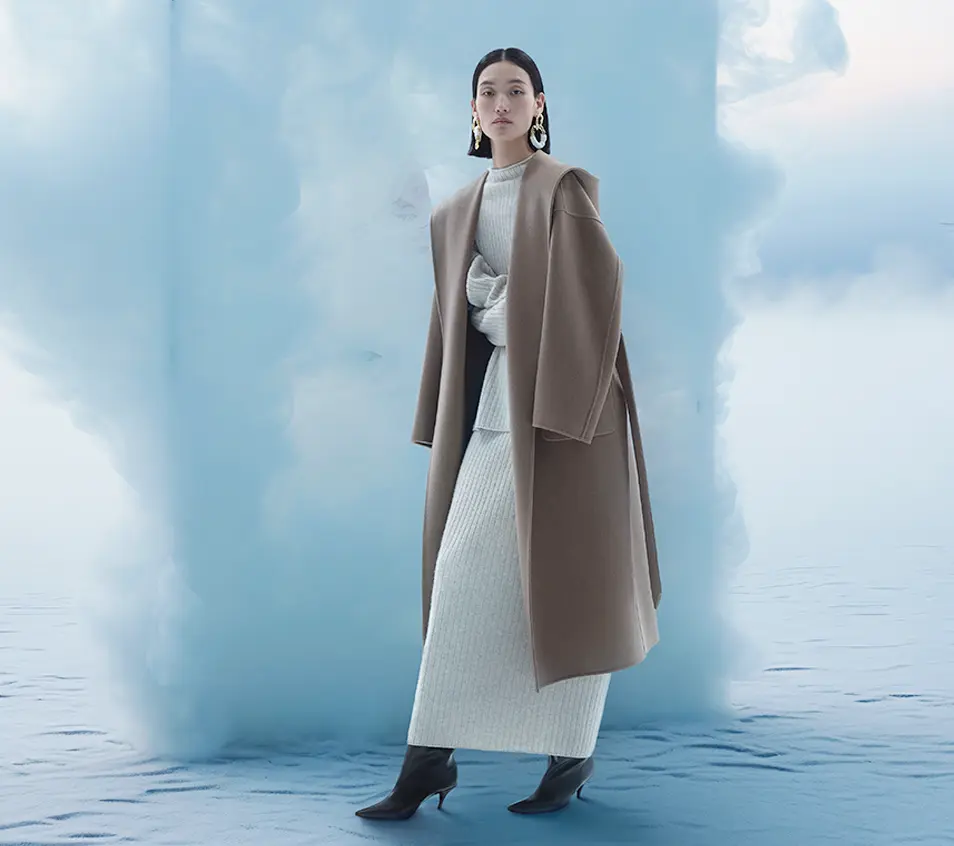
The implementation of advanced 3D fashion design software (such as Shima Seiki's SDS-ONE APEX series or CLO 3D) has transformed the knitwear sampling phase. Design files simulate yarn textures, gauge structures, and colorways with photo-realistic precision. This technological capability reduces physical sample development cycles from several weeks to less than 24 hours. Brands can visualize fit and drape digitally, bypassing multiple rounds of prototype shipping to accelerate time-to-market.
Wuxi Fuji Fashion Co., Ltd. was founded in 1992, headquartered in Science and Technology Industrial Park, besides the Tai Lake, Wuxi city, Jiangsu Province, China. Now Fuji is a top knitwear manufacturer in China, and has been working with major high-end fashion brands all over the world.
Leveraging over three decades of manufacturing expertise, Fuji Fashion integrates advanced CAD development systems, highly automated machinery setups, and rigid quality inspection workflows. Strategically located in the Yangtze River Delta textile manufacturing hub, the company maintains reliable access to premium raw material suppliers, including suppliers of fine Australian merino wool, Mongolian cashmere, and certified organic recycled fibers.
Our facilities are optimized to handle both high-volume programs and flexible, agile production runs for specialized designer collections. We help brands successfully scale their operations by ensuring consistent quality, transparent documentation, and on-time shipments.
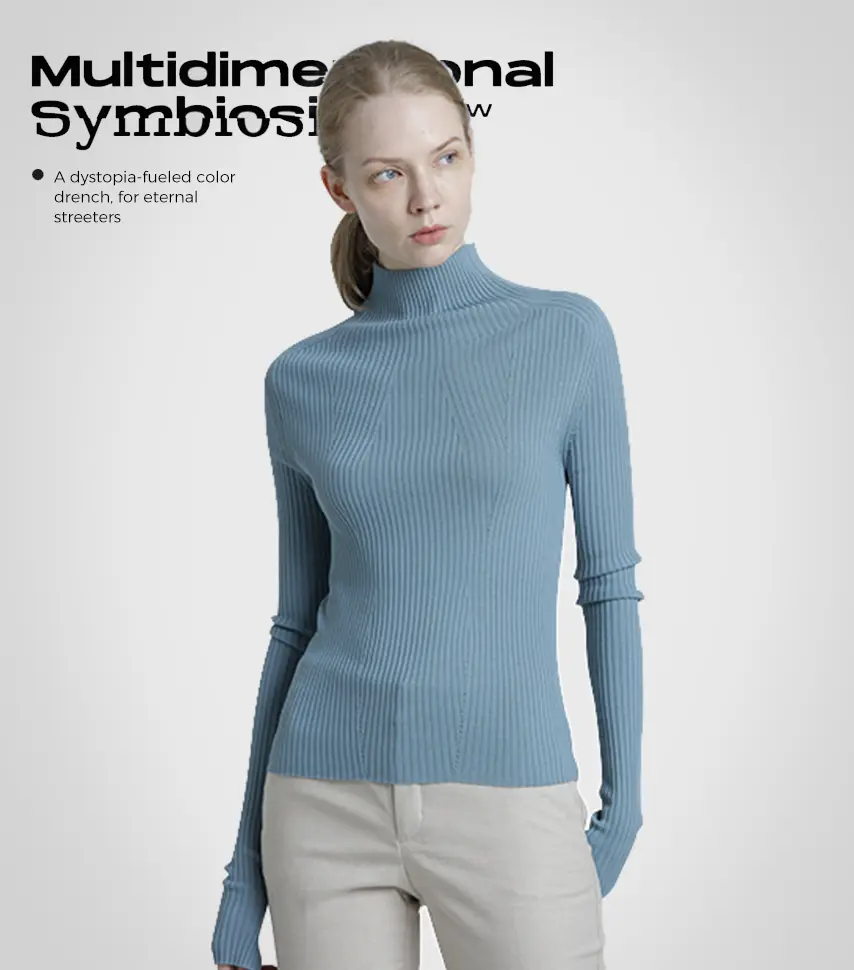
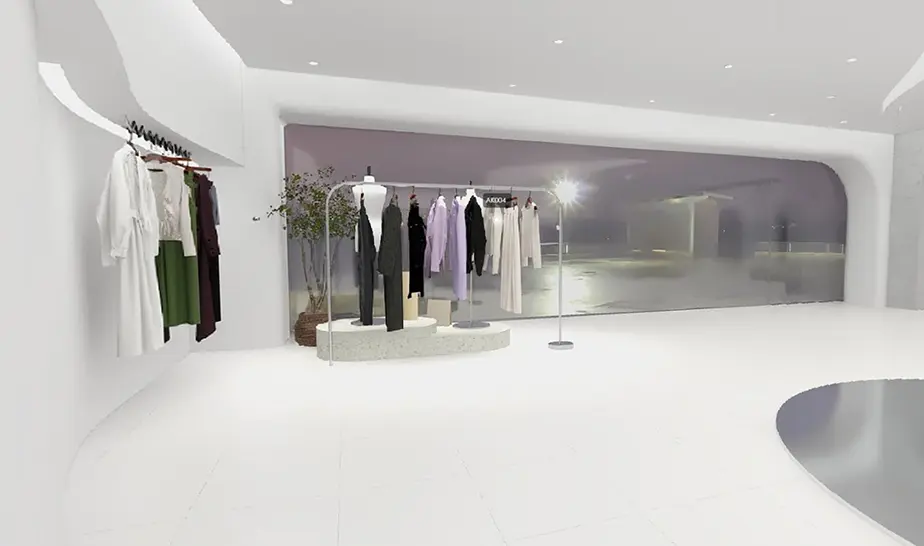
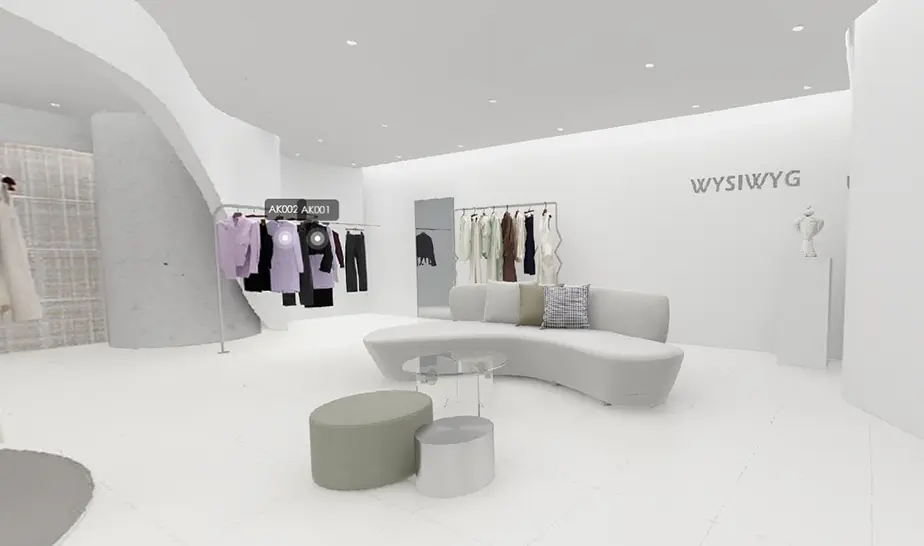
We invite global clients to explore our digital design capabilities, physical spinning mills, and production floors through our virtual showroom experience. This visual window highlights our advanced machinery and operational transparency.

Structuring product ranges based on target market demographics and retail price points.
Chunky wool knitwear serves distinct consumer groups, requiring targeted design and sourcing decisions to align with retail positioning.
Focuses on classic fisherman structures, durable multi-ply wools, and water-repellent Lanolin finishes. These styles prioritize durability and classic outdoor utility.
Emphasizes clean silhouettes, cropped structures, drop shoulders, and fine fiber blends (e.g., Merino/Cashmere). These designs prioritize clean aesthetics and drape.
Utilizes ultra-soft, fine fibers (100% cashmere or baby alpaca) in open, airy knit structures. These garments are lightweight, highly breathable, and comfortable.
By defining your brand's placement in these categories early in the development phase, you can prevent sourcing mismatch issues. High-street fashion retailers, for example, typically avoid pure wool yarn programs that exceed target price ceilings. Conversely, luxury brands require certified materials and premium yarn blends to support their retail margins.
Answering key technical questions regarding heavy-gauge knitwear manufacturing and quality assurance.
Stay informed about regional textile events, manufacturing milestones, and technological shifts.
Shanghai, 2024 - SPIN EXPO, a leading force in the global textile industry, is set to dazzle once again. Exploring yarn developments and automated knit innovations.
Wuxi Fuji Fashion Limited is thrilled to announce the grand celebration of its 30th anniversary, marking decades of premium knitwear manufacturing leadership.
As technology advances, the application of 3D technology in the knitwear industry is rapidly gaining momentum, reducing development cycles and environmental waste.
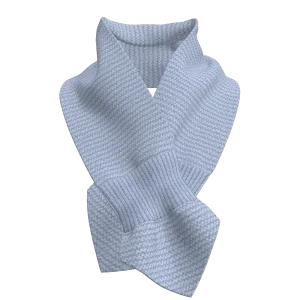
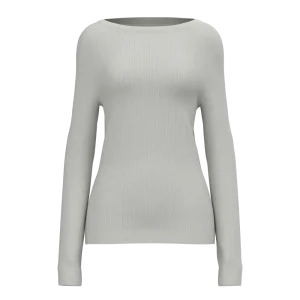
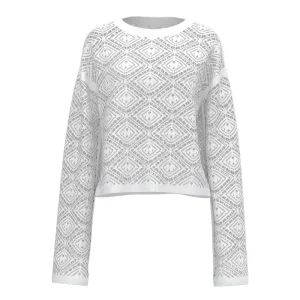
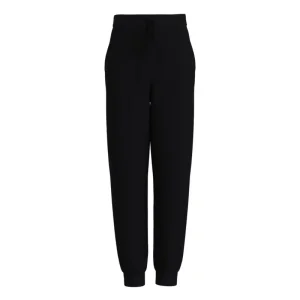
Explore our manufacturing capabilities across diverse styles, from children's wear to tailored cardigans.
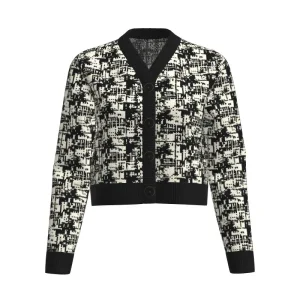
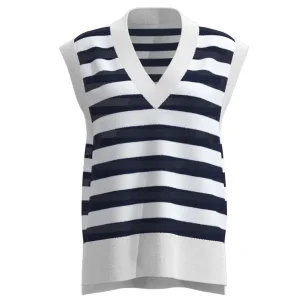
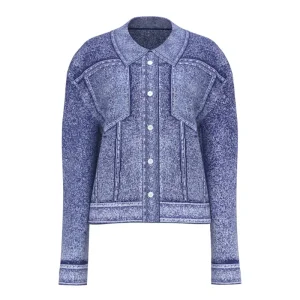
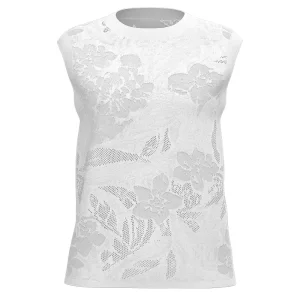
We strive to provide customers with quality products. Contact us to request material catalogs, digital structural files, and manufacturing quotes.
INQUIRY NOW FUJI
FUJI