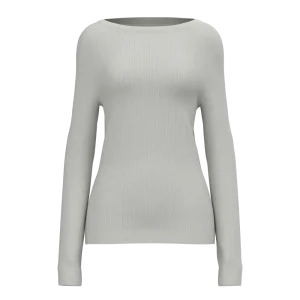
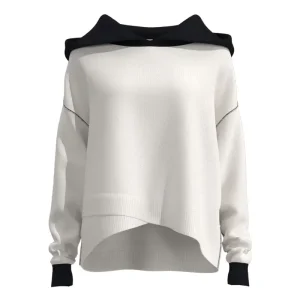
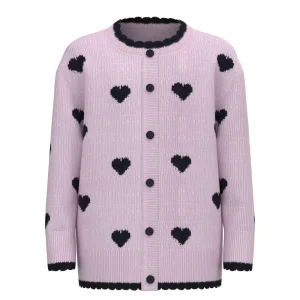
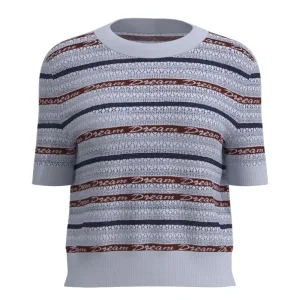
Premium B2B catalog featuring top-tier materials, custom gauges, and eco-conscious manufacturing options.
An analytical breakdown of consumer demand, regional production centers, and ecological initiatives.
The global textile and luxury apparel sectors are undergoing a massive shift. High-end natural fibers, particularly premium cashmere wool, are at the intersection of consumer demand for comfort and strict global sustainability standards. The "Green" cashmere jumper is a prime example of this trend. B2B buyers now look at "green" from two angles: the aesthetic pull of rich green shades (forest green, deep sage, olive, mint) and the ecological footprint of the supply chain.
Historically, cashmere production was split between raw harvesting in Northern Asia (specifically the high-altitude fields of Inner Mongolia and Outer Mongolia) and processing in European luxury centers. Today, global supply chains require direct, vertically integrated solutions. By processing raw cashmere close to the source and using advanced technologies, modern Chinese manufacturers have lowered transit times and reduced raw material loss. This integration ensures high quality while remaining cost-competitive on the global market.
Luxury consumers are moving away from fast fashion toward durable investment pieces. A forest green cashmere jumper represents timeless style and ecological awareness. As a result, retailers in the EU, North America, and Japan are updating their product catalogs to feature traceable, clean, and sustainably dyed knitwear that stands out in competitive markets.
Over three decades of precision engineering and luxury partnerships.
Founded in 1992, and headquartered in the Science and Technology Industrial Park alongside the scenic Tai Lake in Wuxi, Jiangsu Province, China, Wuxi Fuji Fashion Co., Ltd. has grown into a leading knitwear manufacturer. Over the past 30 years, we have built partnerships with premium fashion houses in Europe, North America, and the Asia-Pacific region.
Our strategic location in the Yangtze River Delta gives us access to deep-water shipping lanes, premium textile raw material hubs, and top technical talent. This enables us to run highly efficient supply lines and offer competitive pricing. By combining time-tested knitting techniques with modern production technology, we maintain strict quality control from raw yarn inspection to final retail packaging.
As a leading supplier, we understand that B2B sourcing is about risk management, quality consistency, and supply chain transparency. Our production lines are designed to handle both small custom orders and large-scale manufacturing runs, ensuring clean, on-time delivery every time.

Why Chinese manufacturing dominates the high-end cashmere sector through technological integration.
Modern cashmere manufacturing requires more than traditional hand-knitting. Today, factory efficiency relies on advanced technology and automated processes. Chinese factories have invested heavily in high-precision machinery, such as Japanese Shima Seiki WHOLEGARMENT systems, which knit entire garments without seams. This reduces yarn waste by up to 30% and improves the structural durability of the knitwear.
Using 3D digital knitting technology, we create virtual samples that simulate drape, stitch depth, and color before any physical yarn is spun. This speeds up the design approval process from weeks to days, allowing brands to launch collections much faster.
We source our cashmere directly from Inner Mongolia, home to the finest Alashan cashmere goats. Our sorting processes separate fibers based on length (minimum 34mm) and diameter (maximum 15.5 microns), ensuring every batch meets the highest standards for softness and durability.
To produce rich, long-lasting green shades, we use certified eco-friendly dyes that meet OEKO-TEX Standard 100. This process saves up to 40% more water than standard dyeing methods and ensures color accuracy without compromising the natural softness of the cashmere fibers.
Step into a virtual tour of our factory floor and product galleries.
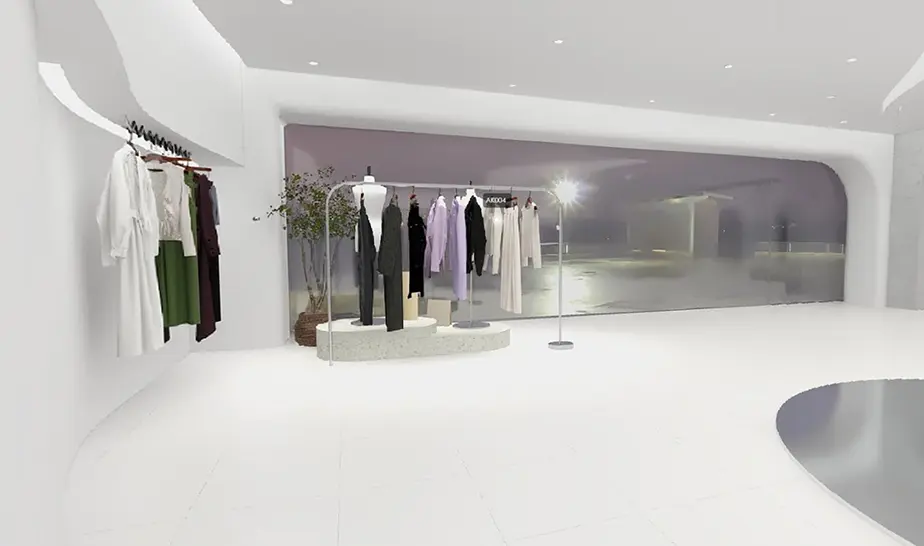
Virtual workspace where CAD drawings are converted to machine-ready files.
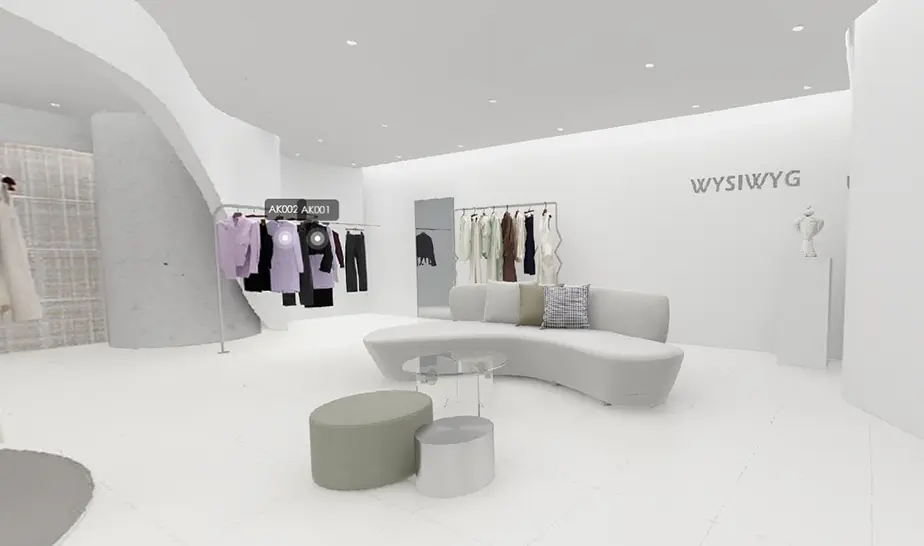
Specialized facility testing pilling resistance and color fastness.

Smart warehouse ensuring smooth logistics and worldwide distribution.
Tailoring green cashmere sweaters to different retail markets and regional demographics.
Luxury buyers in different parts of the world look for specific features in a green cashmere jumper. Understanding these regional preferences is key to developing products that appeal directly to consumers in each market.
Buyers in Scandinavia and Germany value minimalist, clean designs. They prefer undyed natural fibers or low-impact dyed muted tones (like moss or forest green). Designs feature relaxed fits, crewnecks, and chunky knits (5GG to 7GG) to keep out the cold while maintaining an eco-conscious look.
US and Canadian brands prefer versatile styles suitable for urban wear. They favor mid-weight knits (12GG) in classic V-necks and crewnecks that layer easily. Durable construction and machine-washable options are key to meeting the needs of busy, modern lifestyles.
Boutiques in Tokyo, Seoul, and Shanghai focus on high-quality fabrics, soft textures, and detailed construction. They prefer fine-gauge knits (14GG to 16GG) in vibrant green shades (like emerald and jade). Precise detailing on cuffs and necklines is essential for these markets.
The future of sustainable high-end apparel sourcing.
The global luxury knitwear market is changing rapidly due to digital technology and new environmental standards. B2B buyers must adapt to these trends to remain competitive:

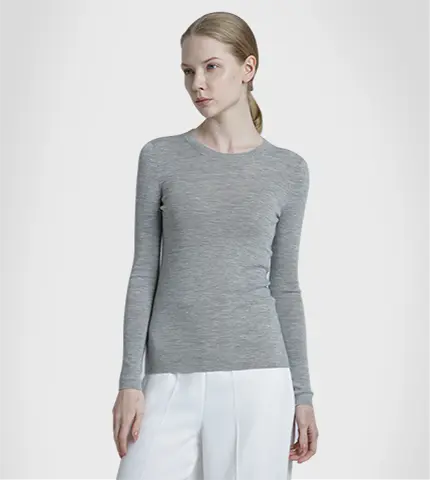
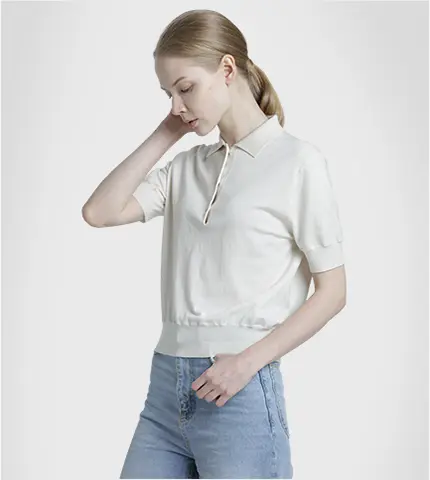

Clear, detailed answers to common inquiries from commercial buyers and brands.
Insights, innovation highlights, and developmental milestones from our teams.
2024-03-25
Shanghai, 2024 - SPIN EXPO, a leading force in the global textile industry, is set to dazzle once again. Wuxi Fuji Fashion exhibited its latest sustainable collection there, highlighting recycled luxury fibers and digital stitch designs.
2024-03-25
Wuxi Fuji Fashion Limited is thrilled to announce the grand celebration of its 30th anniversary. We thank our global clients, technical teams, and design partners who have worked with us over the decades.
2024-03-25
As technology advances, the application of 3D technology in the knitwear industry is rapidly gaining ground. This research article explores the cost and sustainability benefits of shifting to virtual fabric simulations.
More high-end options, custom blends, and styles for women, men, and kids.
We strive to provide customers with quality products. Request information, samples & quotes - contact us!
 FUJI
FUJI