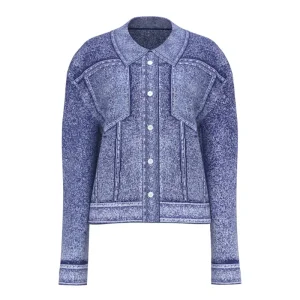
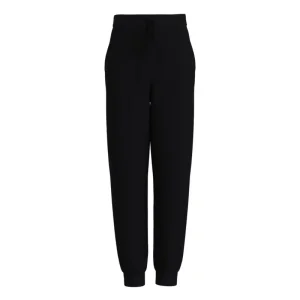
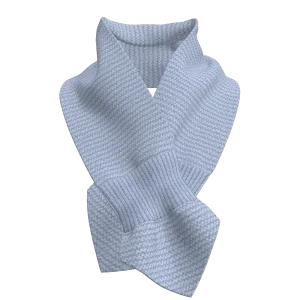
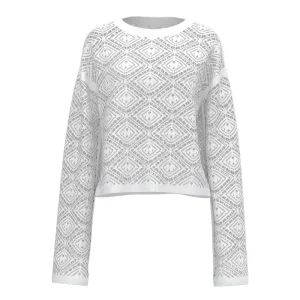
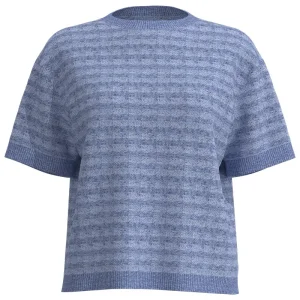
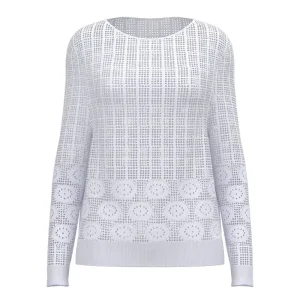
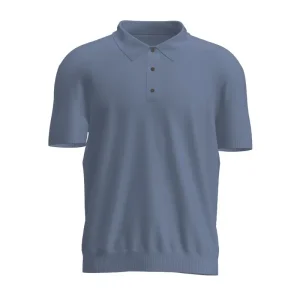
Explore our highly certified, eco-conscious apparel collections manufactured under strict international quality and labor standards.
The global textile and apparel industry is undergoing a structural paradigm shift. Driven by tightening regulatory frameworks, heightened consumer environmental consciousness, and volatile material pricing, apparel brands are rapidly transitioning from traditional linear models to circular value chains. As a premier sustainable knitwear manufacturer, we recognize that true ecological stewardship requires a rigorous, data-driven methodology that spans raw material procurement, low-impact wet processing, zero-waste engineering, and traceably documented supply networks.
In Europe and North America, regulatory mandates such as the EU Corporate Sustainability Due Diligence Directive (CSDDD) and the US Uyghur Forced Labor Prevention Act (UFLPA) have elevated traceabilty from a corporate marketing asset to an absolute statutory prerequisite. In response, modern mills are integrating digital twins and blockchain-backed yarn tracking to establish verifiable custody records. This integration ensures compliance while fortifying supply chain resilience against geopolitical disruption and raw material scarcity.
Traceable Sourcing
Water Consumption
Landfill Yarn Waste
Years Manufacturing Experience
The core of any premium knitwear program lies in its yarn composition. Our manufacturing framework mandates that every fiber profile meets rigorous international ecological thresholds. By selecting only third-party certified fibers, we secure both structural performance and ecological viability.
Sourced strictly via GOTS (Global Organic Textile Standard) approved supply routes, ensuring prohibition of synthetic pesticides and genetically modified seeds while protecting farming community ecosystems.
Utilizing Responsible Wool Standard (RWS) certified Merino wools and clean, pure cashmere. Our materials guarantee ethical farming conditions, land-management preservation, and comprehensive chain-of-custody documentation.
Incorporating Global Recycled Standard (GRS) polyester and nylon sourced from post-consumer PET bottles and discarded fishing gear. This diverts waste streams and cuts petroleum extraction by up to 80% per cycle.
Furthermore, our advanced cellulose fiber library features Lenzing Tencel™ and Modal™, harvested from sustainably managed forests using closed-loop manufacturing processes where more than 99% of solvent chemicals are recovered and recycled. Through our strategic investments in yarn-dyed technology, we optimize color saturation and structural fiber preservation, ensuring finished knit garments maintain structural elasticity and shape over prolonged life cycles.
Wuxi Fuji Fashion Co., Ltd. was founded in 1992, headquartered in Science and Technology Industrial Park, besides the Tai Lake, Wuxi city, Jiangsu Province, China. Now Fuji is a top knitwear manufacturer in China, and has been working with major high-end fashion brands all over the world. Spanning three decades of continuous manufacturing innovation, our facility combines traditional craftsmanship with automated knitting technologies to service global luxury, boutique, and contemporary fashion houses.
Our commitment is built on three core pillars: precise craftsmanship, rigorous quality assurance, and verified environmental performance. From our industrial center alongside Tai Lake, we operate high-gauge flat knitting installations alongside our specialized finishing plants, guaranteeing seamless design-to-sample iterations and reliable commercial delivery timelines.
Connect With Our Specialists
Modern knitwear development relies on advanced technological integration to minimize material waste and optimize prototyping speed. The integration of 3D apparel technology has transformed the traditional sampling loop, allowing designers to visualize fabric drape, stitch densities, and tension profiles digitally before any yarn is wound.
By leveraging advanced Shima Seiki WholeGarment® and Stoll ADF flat knitting machines, we manufacture highly engineered garments directly from raw yarn packages. This automated fabrication reduces structural cut-and-sew scrap to less than 1%, compared to the 15-25% waste typical of conventional manufacturing. Through virtual prototyping, brands can assess fits on digital avatars, saving weeks in shipping physical samples across borders and reducing the carbon footprint associated with international logistics.



Inside our 3D Digital Prototyping & Virtual Reality Exhibition Infrastructure
B2B apparel procurement requires verifiable proof of compliance. We maintain a robust and continually audited portfolio of international safety, chemical-management, and labor certifications. This compliance framework provides our partners with reliable mitigation against global regulatory risks.
Certifying that every component—from base yarns and sewing threads to buttons, zippers, and linings—has been thoroughly screened for harmful chemical substances and is completely skin-safe.
Ensuring ethical labor practices, fair remuneration, safe working conditions, and transparent supply pipelines across all departments of our manufacturing plants.
Measuring and sharing our facility's environmental footprint data. This includes water consumption metrics, carbon emissions profile, and waste management strategies, providing clear metrics to our buyers.
Providing transaction certificates for verified organic cotton products and recycled polyester items, ensuring total visibility from raw material to finished product.
We work with international fashion brands to adapt our knitwear manufacturing solutions to the distinct preferences and regulatory environments of key global markets.
North American brands prioritize low-maintenance durability, leading to high demand for machine-washable, easy-care merino wools. These yarns are treated with advanced Hercosett technology to prevent shrinkage during home laundering. Performance blends incorporating moisture-wicking polymers are popular for active and outdoor lifestyles, while strict adherence to FTC guidelines and domestic fiber labeling requirements remains mandatory.
European design houses prioritize high circularity, traceably clean raw materials, and refined drape. The demand centers around ultra-fine gauges (14G, 16G, and 18G) made from pure cashmere, silk-wool blends, and organic linen. Compliance with the EU Ecolabel framework, Product Environmental Footprints (PEF), and comprehensive chemical management under REACH regulations guide every stage of production.
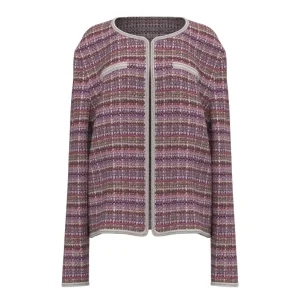
APAC markets demand refined material stories, lightweight thermal efficiency, and precise handfeel. Soft, high-gauge cashmere scarves, structured open-front tweed-style jackets, and tailored trousers drive seasonal collections. Brands in this region require close collaboration during the early-stage prototyping phase, leveraging digital 3D systems and custom sample runs to align with localized sizing metrics and regional fit preferences.
Looking ahead, we are expanding our focus on automated circular design. Our engineering team is currently testing next-generation biodegradable elastomeric yarns to replace conventional elastane (Spandex). This will ensure that future stretch-knit garments can return safely to the biological cycle at the end of their usable life.
Additionally, we are upgrading our water reclamation plants to implement a 100% closed-loop dye wastewater treatment system. By utilizing advanced ultrafiltration and reverse osmosis technologies, we aim to recycle up to 90% of our dyehouse water, significantly reducing freshwater extraction from local basins. We are also deploying machine-learning algorithms within our flat knitting setups to detect yarn tension anomalies in real time, preventing structural knitting errors and minimizing scrap rates.
Expert insights addressing key commercial, technical, and operational questions for global sourcing directors.
Insights, technology reviews, and milestones directly from our production hubs and design teams.
Shanghai, 2024 - SPIN EXPO, a leading force in the global textile industry, is set to showcase new eco-yarn collections and smart textile technologies. Wuxi Fuji Fashion will exhibit its latest GOTS and RWS blends designed for high-gauge applications.
Wuxi Fuji Fashion Limited is thrilled to announce the grand celebration of its 30th anniversary. Over three decades of growth alongside Tai Lake, transitioning from a localized workshop to an international smart-manufacturing partner.
As technology advances, the application of 3D technology in the knitwear industry is rapidly gaining ground. We review the cost savings, speed improvements, and waste reduction achieved by integrating digital twins directly into raw yarn production paths.
We strive to provide our global B2B buyers with quality certified products. Request technical catalog, digital yarn cards, physical samples & custom quotes!
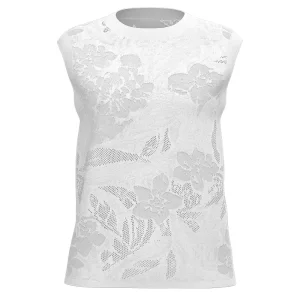
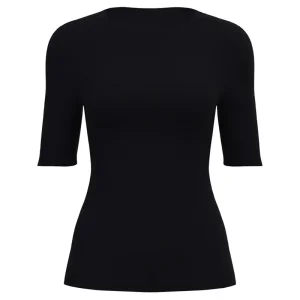
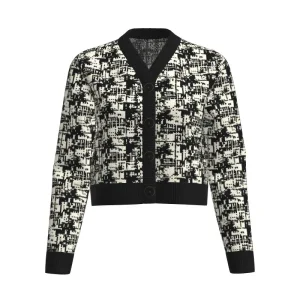
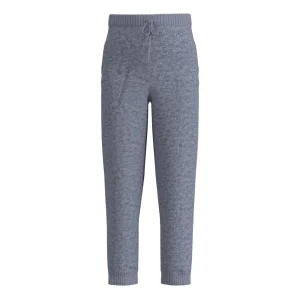
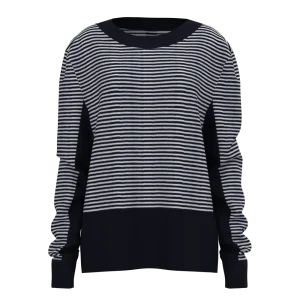
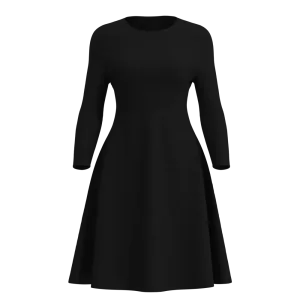
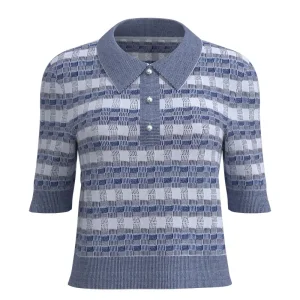
High-performance styles engineered with natural and recycled fibers for modern retail programs.
 FUJI
FUJI