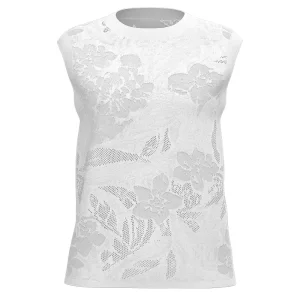
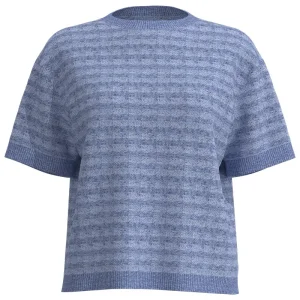
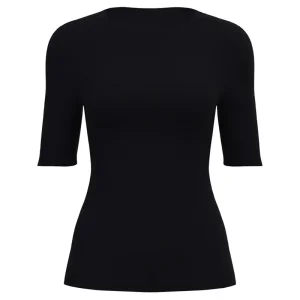
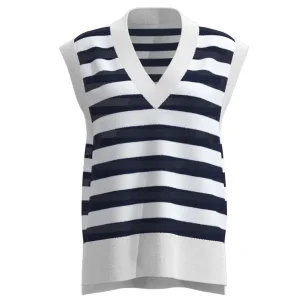
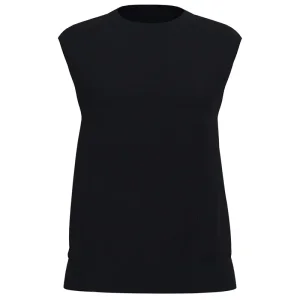
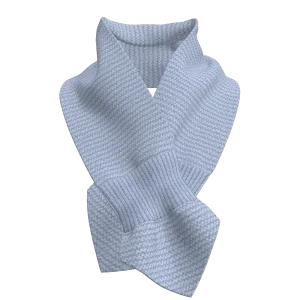
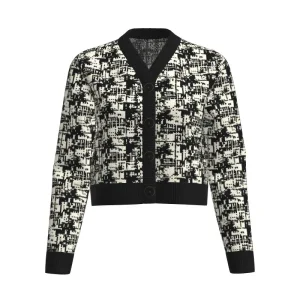
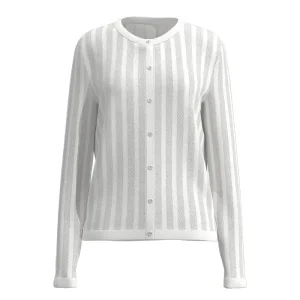
Precision manufactured knitwear for luxury retail, distribution networks, and international brands.





Explore high-quality garments engineered with professional grading standards for global distribution.
In the global luxury textile and apparel market, sourcing premium-grade products like stole cashmere requires an intricate understanding of fiber metrics, supply chain integrations, and regional compliance factors. As international buyers, sourcing agents, and luxury fashion brands assess potential supply partners, evaluating technical expertise, equipment scalability, and raw material traceability becomes crucial for brand equity and regulatory stability.
This whitepaper outlines the structural parameters of the global cashmere stole manufacturing sector. Focusing on the operational capabilities of top-tier facilities like Wuxi Fuji Fashion Co., Ltd. (established in 1992), we examine the integration of advanced textile engineering, ecological frameworks, and localization strategies that define market leaders.
The premium quality of a cashmere stole depends fundamentally on its physical fiber dimensions. High-quality cashmere is harvested from the undercoat of the Capra hircus (Kashmir goat), primarily sourced from Inner Mongolia, Ningxia, and adjacent regions. To achieve the soft, insulating texture desired by luxury retailers, manufacturers must adhere to strict fiber classification guidelines:
China commands over 80% of the world's raw cashmere processing and manufacturing output. Sourcing from experienced hubs like Wuxi provides significant advantages in quality control, processing speed, and logistics infrastructure:
Integrated Raw Material Sourcing: Top factories maintain direct relationships with herding cooperatives in Northern China. This vertical integration guarantees priority access to the finest spring shearings before open-market auctions begin.
Advanced Manufacturing Technologies: Wuxi Fuji Fashion utilizes state-of-the-art Japanese Shima Seiki and German Stoll computerized knitting machines. This machinery supports high-gauge production (12GG, 14GG, 16GG, and up to 18GG for ultra-lightweight stoles), ensuring zero-defect weaving and consistent structural elasticity across bulk orders.
Eco-Friendly Dyeing & Finishing: The softness of a cashmere stole depends heavily on the washing and finishing stages. Wuxi manufacturers deploy automated, temperature-regulated soft-water washing systems that remove lanolin while preserving the natural loft and crimp of the cashmere fiber. Advanced dye-house facilities ensure high colorfastness to light and rubbing, using formulation recipes that comply with EU REACH restrictions.
Employing Shima Seiki computerized knitting and high-efficiency finishing lines to ensure flawless quality at scale.
Certificates like OEKO-TEX, GRS, and BSCI audit reports protect your brand from supply chain liabilities.
Based in Wuxi Science and Technology Park near Shanghai port, optimizing shipping times to US, EU, and Asian markets.
Wuxi Fuji Fashion Co., Ltd. was founded in 1992, headquartered in Science and Technology Industrial Park, besides the Tai Lake, Wuxi city, Jiangsu Province, China. Now Fuji is a top knitwear manufacturer in China, and has been working with major high-end fashion brands all over the world.
For more than three decades, our facility has maintained a reputation for excellence in the knitwear and high-quality cashmere product manufacturing space. By implementing strict quality-control systems alongside advanced 3D virtual sampling technologies, we ensure that every design aligns with our customers' target price and styling parameters.
LEARN MORE ABOUT FUJI
Purchasing departments at global fashion houses face distinct challenges based on regional consumer expectations and regulatory standards. Our manufacturing lines adapt dynamically to meet these localized requirements:
Procurement in North America requires strict adherence to the Federal Trade Commission (FTC) Textile Fiber Products Identification Act. Stoles labeled "100% Cashmere" must consist entirely of cashmere fibers without synthetic fillers. In addition, flame-retardant evaluations and customs declarations under specific HS codes (such as 6214.20.00 for cashmere shawls and stoles) must be backed by laboratory certificates from third-party inspectors like SGS or Intertek.
European buyers prioritize sustainability, circular economy compliance, and chemical safety. To sell in these markets, cashmere stoles must comply with OEKO-TEX® Standard 100 (Class I or Class II) and REACH regulations regarding azo dyes, heavy metals, and alkylphenol ethoxylates. The Global Recycled Standard (GRS) is also increasingly required for brands introducing eco-friendly recycled cashmere stole lines.
The Japanese and South Korean markets demand fine-gauge knits, intricate patterns, and flawless yarn consistency. Our production lines utilize specialized de-hairing and sorting steps to minimize the presence of dark guard hairs in light-colored yarns, ensuring a clean, premium finish.
The global cashmere trade is undergoing a digital and ecological transformation. Modern brands look for partners who can help minimize material waste and improve supply chain transparency:
Experience our digital product showroom, optimizing sampling time and design alignment through virtual reality technology.



Stay updated with the latest technological developments, exhibition schedules, and corporate milestones.
Shanghai, 2024 - SPIN EXPO, a leading force in the global textile industry, is set to dazzle once...
Wuxi Fuji Fashion Limited is thrilled to announce the grand celebration of its 30th anniversary. ...
As technology advances, the application of 3D technology in the knitwear industry is rapidly gaining...
Answers to technical, regulatory, and logistics queries for international procurement managers.
We strive to provide customers with quality products. Request technical specifications, sample developments, and pricing quotes from our engineering department.
INQUIRY NOWFurther products in our catalog, crafted with the same focus on material quality and structural durability.
 FUJI
FUJI