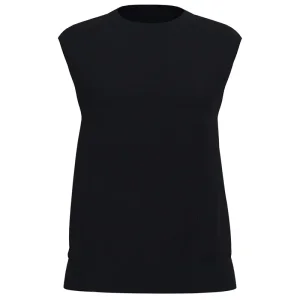
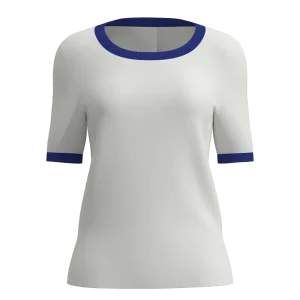
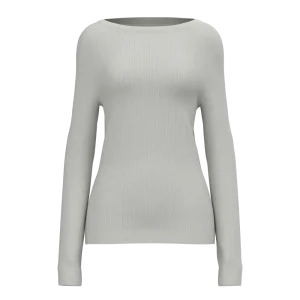
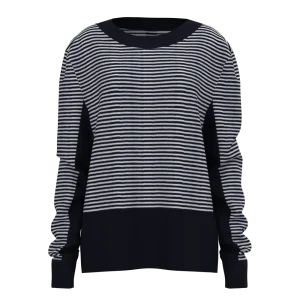
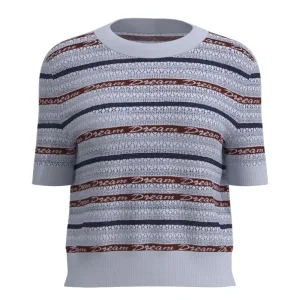
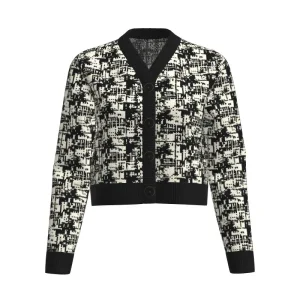
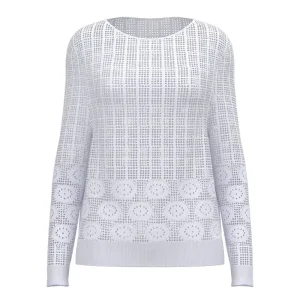
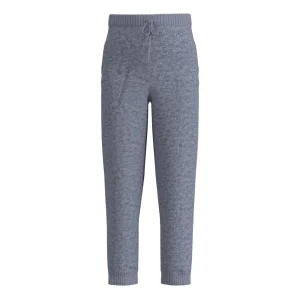
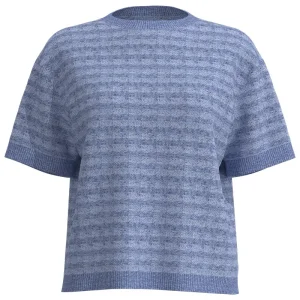
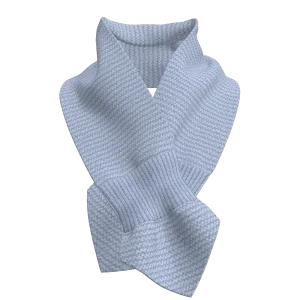
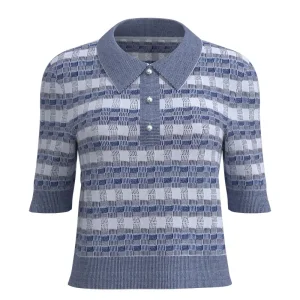
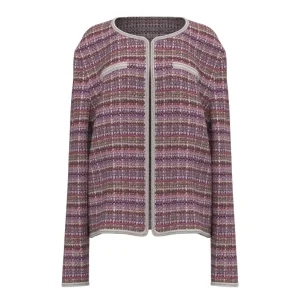
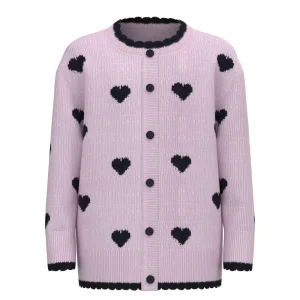
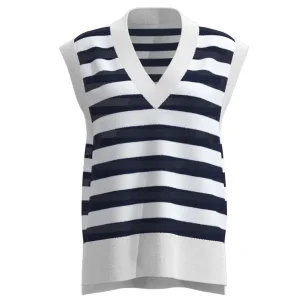
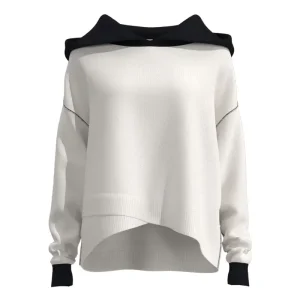
Explore our highly curated premium product categories engineered to meet global enterprise retail quality standards.
In the global luxury apparel market, the high-quality red cashmere jumper serves as a timeless anchor piece. However, sourcing this high-margin garment at enterprise scale presents significant technical, ecological, and logistical hurdles. Unlike neutral-toned knitwear, dyeing pure cashmere fibers deep crimson or vibrant scarlet while retaining their signature softness and structural integrity requires advanced chemical expertise and high-precision temperature control.
This comprehensive industry whitepaper is designed for global sourcing executives, product managers, and luxury apparel directors. It outlines the structural framework of the Chinese cashmere supply chain, explores technical requirements, highlights the innovations implemented at Wuxi Fuji Fashion Co., Ltd., and provides actionable guidelines for ensuring regional market compliance.
"Information Gain Principle: Successful cashmere sourcing relies not just on locating a facility with basic knitting machinery, but on partnering with a manufacturer that possesses integrated fiber testing, precise digital color matching, and certified ethical labor standards."
At the foundation of every high-quality red cashmere jumper lies the choice of raw materials. Grade-A cashmere is sourced from the undercoat of the Capra Hircus goat, predominantly bred in the cold dry climates of Inner Mongolia. The technical grading of cashmere is determined by three variables:
| Cashmere Grade | Fiber Diameter | Fiber Length | Recommended Application |
|---|---|---|---|
| Grade A (Premium) | ≤ 15.0 - 15.5 μm | 34 - 38 mm | Luxury Ready-To-Wear, Red Knitwear, 2-Ply Crewnecks |
| Grade B (Standard) | 15.6 - 16.5 μm | 30 - 34 mm | Mid-market Collections, Chunky Cardigans, Blends |
| Grade C (Utility) | 16.6 - 19.0 μm | 26 - 30 mm | Mass Retail Accessories, Lower-end Blends |
Dyeing cashmere to a rich red hue is a highly precise chemical process. Cashmere fibers are highly sensitive to heat, alkaline solutions, and mechanical friction. The standard dyeing process involves:
China processes over 75% of the world's raw cashmere, offering an integrated industrial cluster. Wuxi Fuji Fashion Co., Ltd. (founded in 1992 near Tai Lake, Wuxi, Jiangsu Province) exemplifies this structural advantage. By combining raw material access with advanced textile machinery, Wuxi Fuji Fashion provides global brands with key operational benefits:
Founded in 1992, Wuxi Fuji Fashion Co., Ltd. has developed over three decades into a leading knitwear manufacturer. Headquartered in the Science and Technology Industrial Park of Wuxi, Jiangsu Province, China, the company operates high-end production facilities serving leading fashion labels in Europe, North America, and Japan. By combining classic craftsmanship with computerized automated knitting technology, Fuji Fashion ensures that each red cashmere jumper meets demanding international standards.

Enterprise procurement teams must balance inventory risk with manufacturing efficiencies. When placing bulk orders for cashmere collections, standard procurement frameworks include:
Modern apparel brands must satisfy both regulatory bodies and consumer expectations regarding environmental and social governance. Sourcing factories must maintain key certifications:
Fuji Fashion coordinates directly with verified farms in Inner Mongolia to trace cashmere lots back to the source herd.
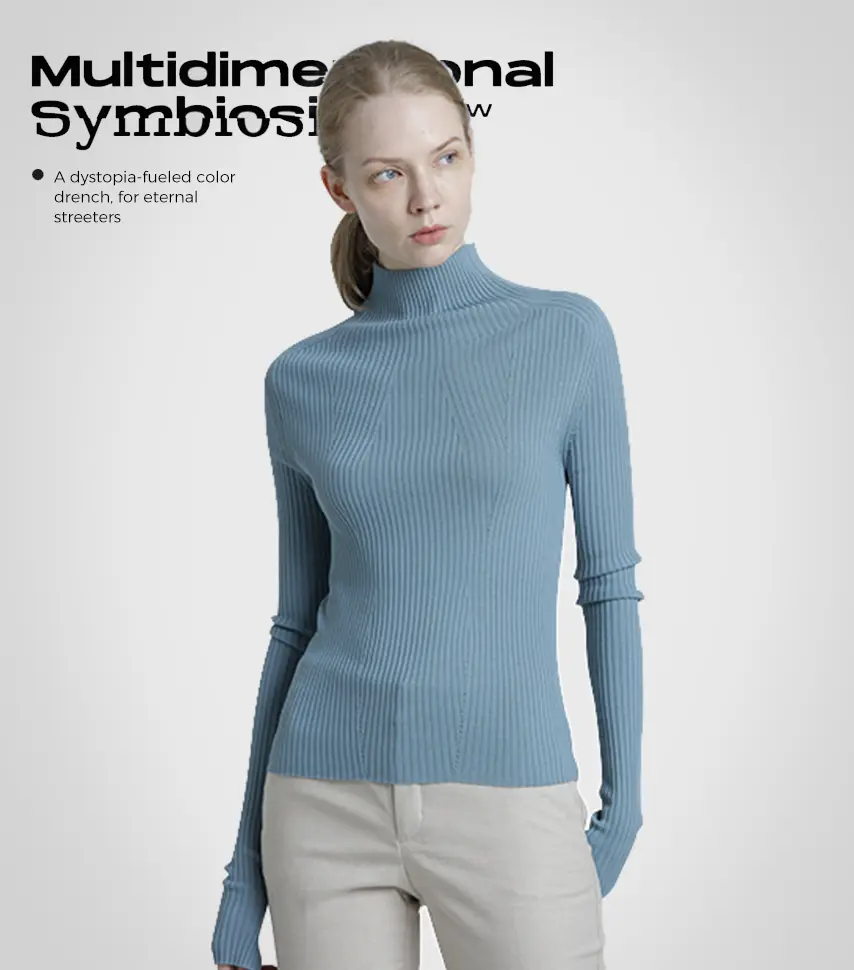
Utilizing digital visualization and virtual prototyping to streamline modern manufacturing and reduce waste.

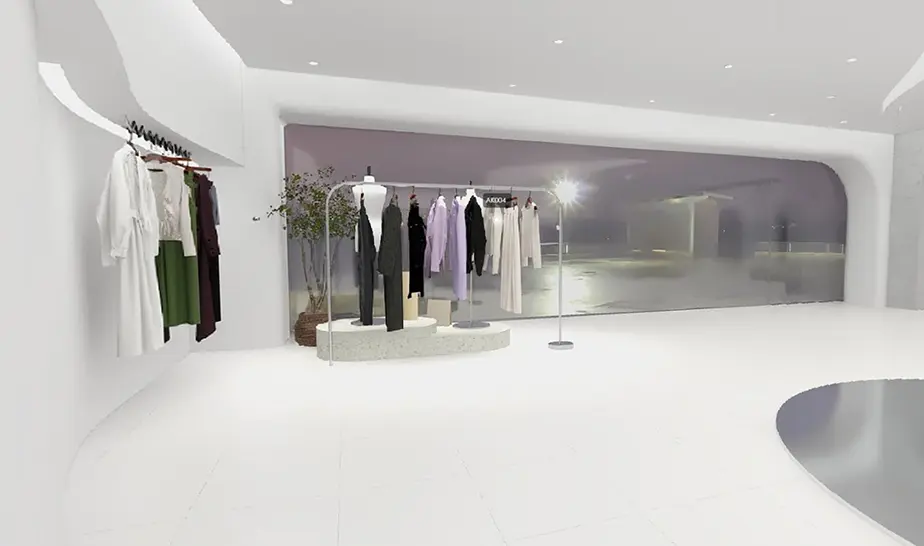
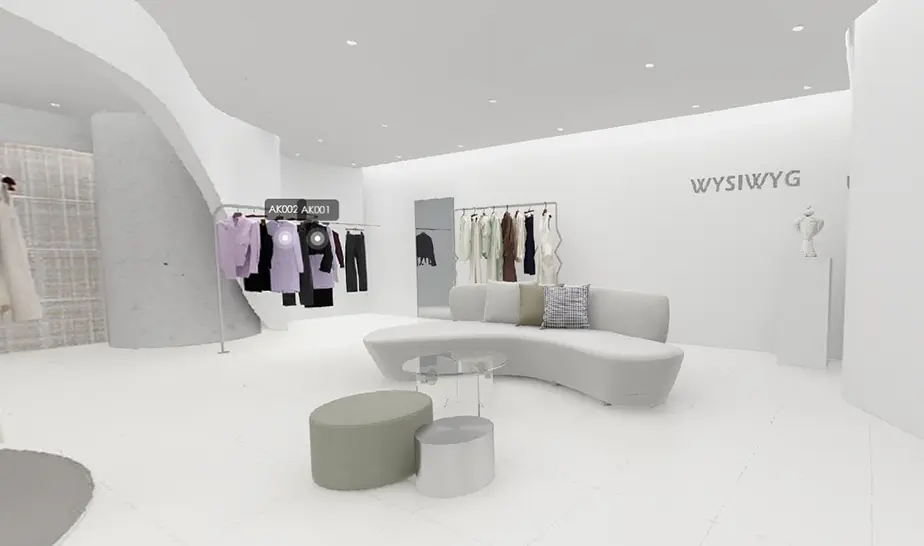
By building digital representations of cashmere knit patterns, buyers can review fabric behavior, drape, and tension mapping prior to cutting raw fiber, saving both materials and development costs.
Integrating physical manufacturing with digital tools allows us to maintain a stable, highly efficient output of premium knitwear throughout the peak autumn-winter manufacturing cycles.
Digital logs monitor the journey of raw Inner Mongolian cashmere from raw combing stations through scouring, dyeing, and automated knitting on Stoll machines.
The modern consumer expects versatile designs that adapt to diverse lifestyles. The classic red cashmere jumper is evolving to meet these demands:
High-gauge (16GG) thin-ply red turtlenecks and v-neck jumpers designed to fit comfortably under structured business blazers, offering warmth without bulk.
Deeper red tones (such as burgundy and crimson) remain staple colorways for winter holiday releases, Lunar New Year collections, and luxury gift lines.
Loose, casual styling combined with drop-shoulder tailoring and hoodies offers contemporary sportswear appeal while utilizing premium, 100% natural cashmere.
For global brands, expanding a cashmere range into regional markets requires close attention to local tastes. For instance, European buyers often favor cool, classic-toned reds with minimal decoration, while Asian markets show strong demand for detailed cable knits and warm-hued scarlets. A partner manufacturer with broad design experience can help brands adapt their patterns and fits to these regional differences.
The luxury knitwear industry is shifting toward more sustainable and digitized production methods. Key emerging practices include:
Expert answers addressing the core production, compliance, and material standards required for luxury knitwear manufacturing.
Get insights into textile machinery, global exhibitions, and trade developments affecting cashmere sourcing.
Request material specification sheets, chemical compliance reports, or request physical yarn samples for your next collection.
INQUIRE NOWExamine our broader manufacturing catalog spanning wool outerwear, custom knit accessories, and children's knitwear.
 FUJI
FUJI