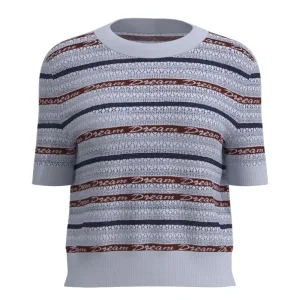
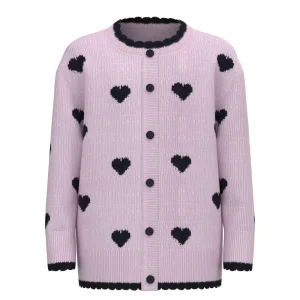
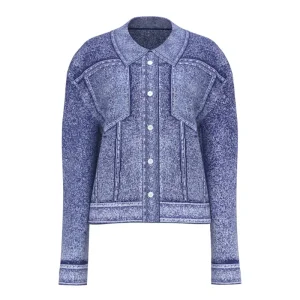
Explore our foundational range of premium knitwear and cardigans, precision-engineered for global luxury brands, high-performance retail segments, and eco-certified corporate buyers.
In the luxury textile market, the high-quality red cashmere cardigan represents a unique convergence of aesthetic prestige, complex chemical processing, and precise mechanical engineering. Unlike baseline knitwear products, red cashmere requires a highly refined manufacturing cycle. The choice of raw fiber, the chemistry of the dyeing process, and the calibration of knitting density determines the durability, hand-feel, and retail margins of the final garment.
This industry report acts as a technical resource for procurement directors, retail category managers, and supply chain executives. By analyzing the structural advantages of China's premier textile hubs—specifically focused on Wuxi's advanced production capacity—this document sets forth the benchmark metrics for verifying E-E-A-T (Experience, Expertise, Authoritativeness, and Trustworthiness) standards when selecting your manufacturing partners.
Pure cashmere is derived from the undercoat of the Capra Hircus goat, native to the high-altitude, arid plateaus of Inner Mongolia and Ningxia. For high-end garment manufacturing, fibers must meet strict dimensional thresholds: a fiber diameter of ≤ 15.5 microns and a minimum length of 34mm to 38mm. Short, coarse fibers yield lower tensile strength, leading to premature pilling and structural deformation after minimal wear cycles.
Dyeing natural animal protein fibers vibrant red without degrading their physical structure is a major hurdle in knitwear production. The deep red shade requires a high concentration of acid or reactive dyestuffs. If the dye formulation is not carefully controlled, it can strip the protective lipid layer (lanolin) from the cashmere fiber scales. This leads to dry, brittle yarns that pill easily. Top-tier factories use low-temperature, tension-free computerized dyeing systems that preserve fiber elasticity and ensure a pilling rating of Grade 3-4 or higher.
Additionally, color consistency (minimizing dye lot variation) requires advanced spectrophotometric monitoring. Leading suppliers utilize automated color-matching systems (such as Datacolor) to guarantee a Delta-E (dE) color variance of less than 0.5. This level of precision is critical for multi-market retail launches where visual consistency across global shelves is non-negotiable.
China produces over 80% of the world's raw cashmere and controls the most technically integrated processing supply chain globally. Selecting a supplier in coastal industrial clusters like Wuxi, Jiangsu offers distinct advantages over raw fiber-sourcing regions:
The global luxury apparel market is undergoing a rapid transition toward verified sustainability. Sourcing departments must trace fibers from the pasture to the finished product. This shift is driven by new regulatory frameworks in the EU and US regarding supply chain transparency and carbon footprints.
To address these needs, forward-thinking manufacturers are adopting the Sustainable Fibre Alliance (SFA) and Good Cashmere Standard (GCS) metrics. These standards ensure ethical herd management, fair compensation for nomadic herders, and land preservation to prevent desertification. In the factory environment, water recycling systems reclaim up to 75% of processing water. This reduces environmental impact and keeps production costs competitive amidst rising global energy rates.
Wuxi Fuji Fashion Co., Ltd. was founded in 1992 and is headquartered in the Science and Technology Industrial Park alongside the scenic Tai Lake in Wuxi City, Jiangsu Province, China. Over three decades of focused expansion, Fuji has grown into a leading knitwear manufacturer in China. Today, the company partners with major high-end fashion brands across Europe, North America, and the Asia-Pacific region.
Our operation integrates raw material sourcing, dye formulation, high-precision flat-bed knitting, and automated linking assembly lines. This complete production chain allows us to maintain strict quality control throughout the manufacturing cycle of cashmere, merino wool, and blended garments.
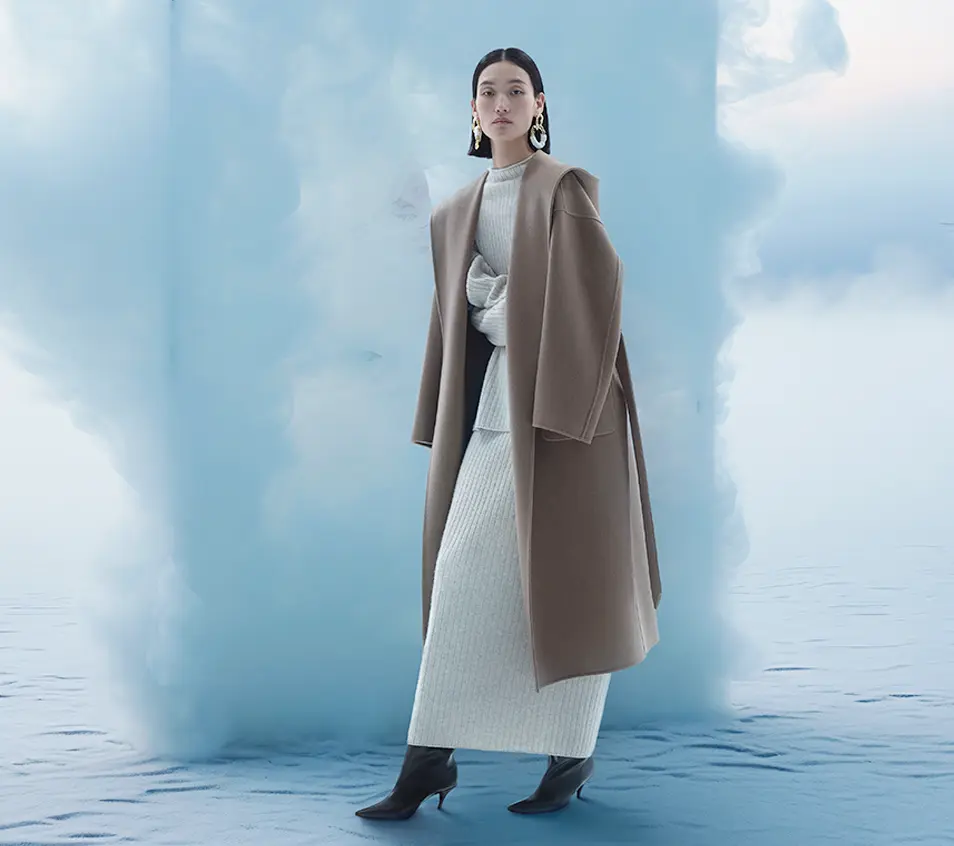
Reducing sample cycles and lowering carbon footprints through virtual fitting technology. Experience our state-of-the-art 3D fabric simulations.
The application of 3D technology in the knitwear industry is rapidly gaining momentum. By mapping cashmere yarn characteristics—such as weight, elasticity, twist, and drape—into specialized CAD systems, Fuji Fashion generates highly accurate digital prototypes. This technology reduces physical sampling cycles from weeks to hours, allowing brands to test product variants virtually before committing to large-scale production runs.

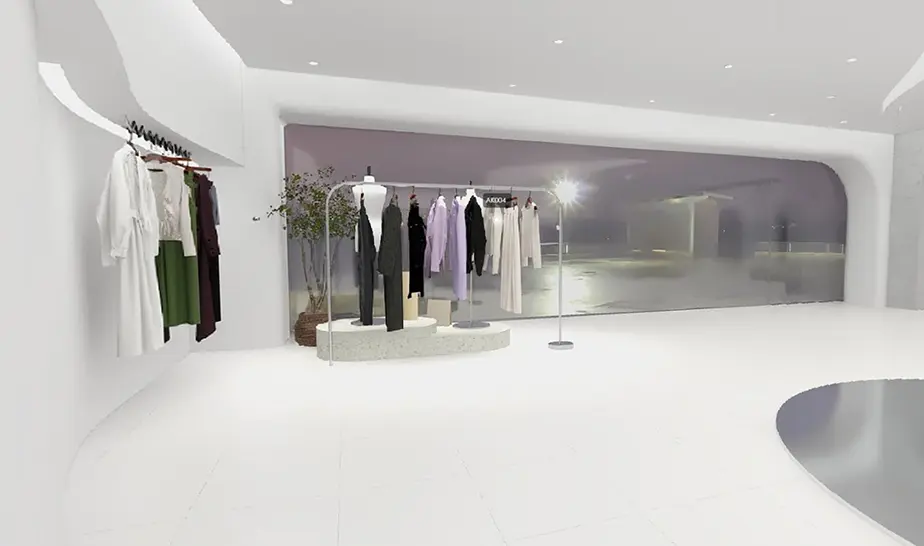

International sourcing requires careful planning around seasonal product drops, lead times, and quality assurance. Fuji Fashion offers custom production models designed to fit different supply chain structures:
For brands with established design divisions. You provide the tech packs and specifications, and we execute the production run with strict adherence to measurements, stitching styles, and labeling instructions.
For retailers looking to expand their product lines quickly. Our design team creates off-the-shelf, market-ready styles based on seasonal trends, allowing you to quickly select patterns, select yarn blends, and apply custom branding.
To support agile inventory strategies, we offer a multi-tiered ordering system. This allows brands to run low-MOQ market tests on key colors, like crimson, cherry, or deep oxblood red, before placing larger replenishment orders.
Stay informed on global market trends, technical shifts, and upcoming textile exhibitions.
Providing expert answers to common technical and logistical questions from global purchasing managers.
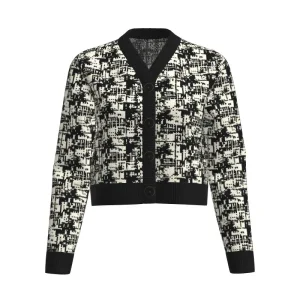
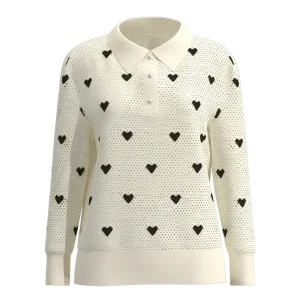
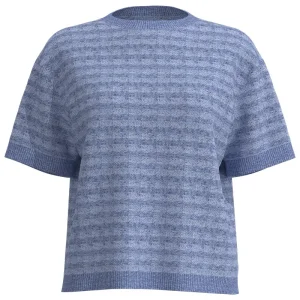
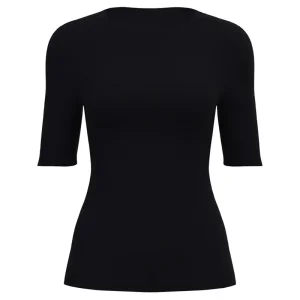
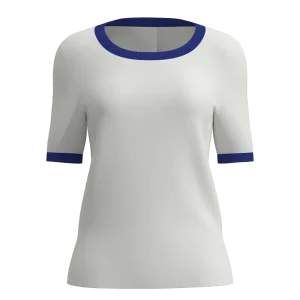
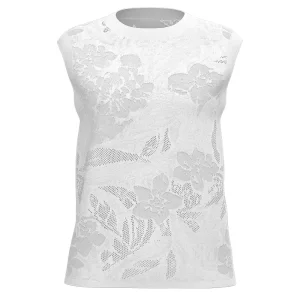
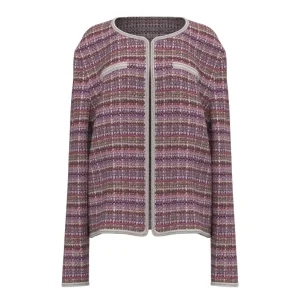
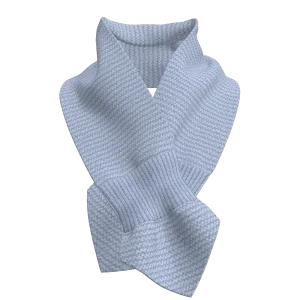
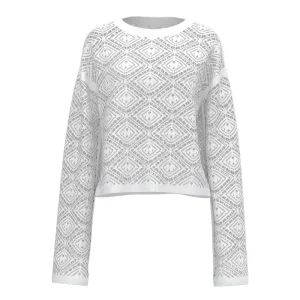
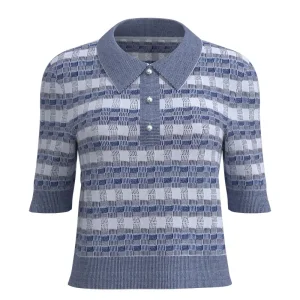
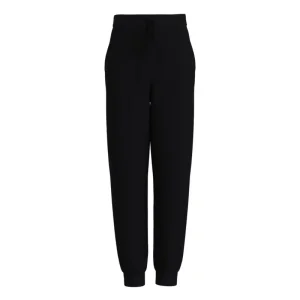
Browse our additional collection of professional-grade knitwear, designed for international export and retail distribution.
Connect with our engineering and design teams to request technical specifications, yarn swatches, and custom price quotations for your upcoming collection.
INQUIRY NOW FUJI
FUJI