Explore our highly-curated selection of luxury, grade-A pure cashmere and technical blend garments tailored for global enterprises.
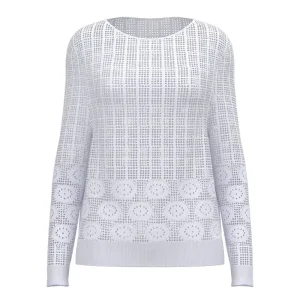
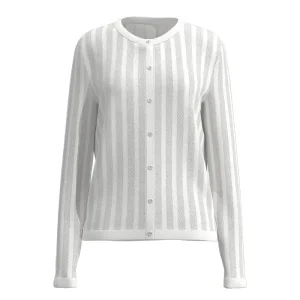
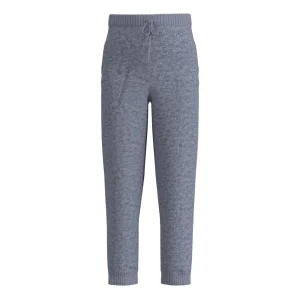
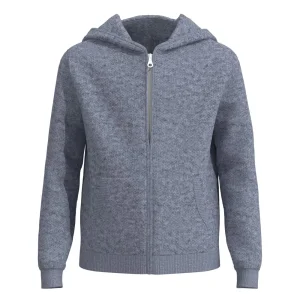
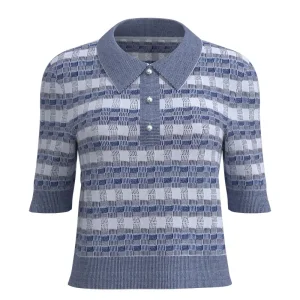
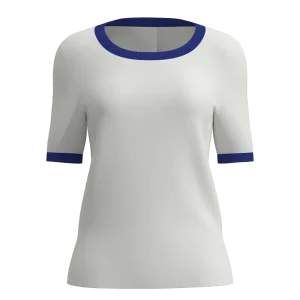
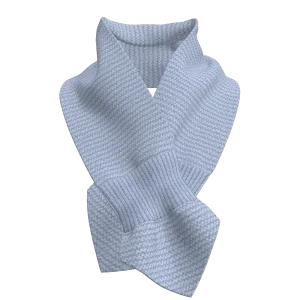
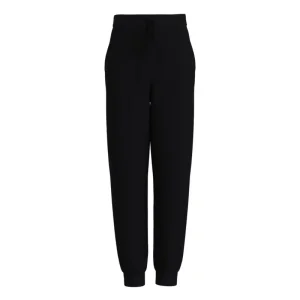
Founded in 1992, Wuxi Fuji Fashion Co., Ltd. is headquartered in the Science and Technology Industrial Park alongside the scenic Tai Lake in Wuxi, Jiangsu Province, China. Over three decades of structural growth and technical refinement have established Fuji as a leading knitwear manufacturer in China, collaborating directly with premier high-end fashion houses and commercial brands globally.
By bridging traditional high-end craftsmanship with modern digital management systems, Fuji guarantees robust quality metrics, precise structural execution, and high compliance across environmental, social, and product safety protocols. Our engineering infrastructure operates under strict quality guidelines to exceed the complex sourcing standards of our international client base.
Discover Our Factory Infrastructure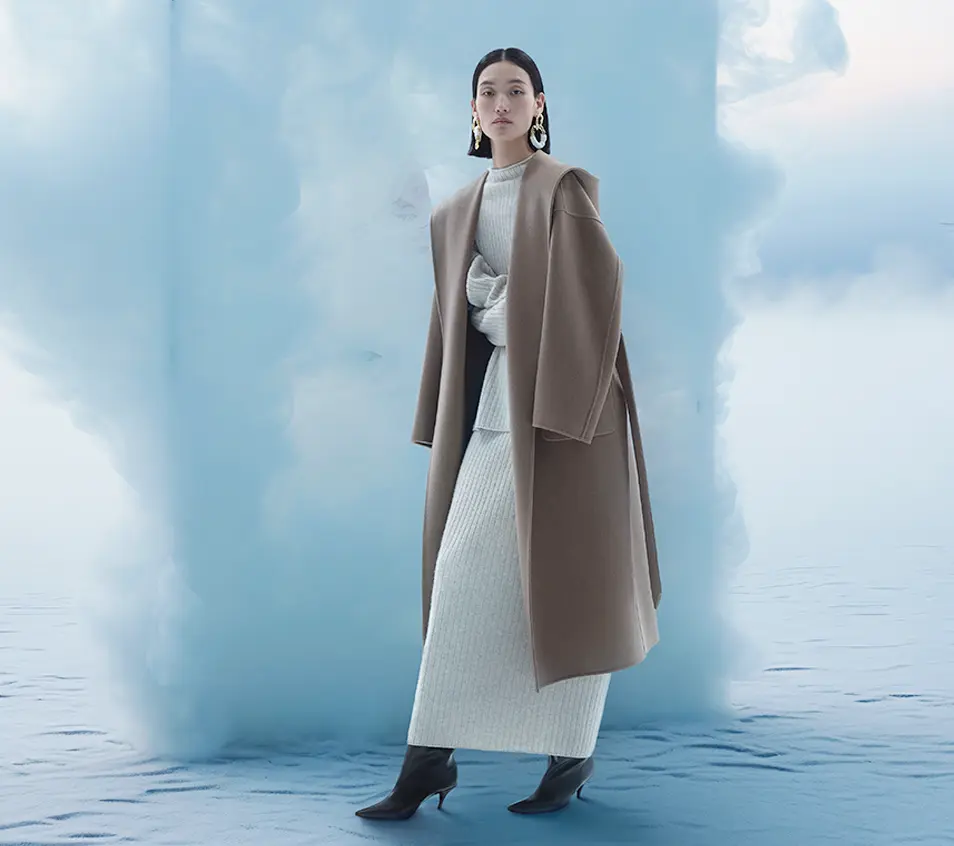
Uncovering the structural shifts in global cashmere demand, manufacturing standards, and supply chain digitalization.
The global demand for high-end knitwear is shifting toward sustainable luxury. In the cashmere domain, distinct shades like royal violet, plum, and pastel purple have emerged as seasonal anchors for high-end ready-to-wear collections, driving highly specific dyeing and knitting requirements.
Modern B2B buyers mandate strict fiber verification, low minimum order quantities (MOQ) for premium colors, and short lead times. Balancing yarn availability with custom Pantone requirements demands agile supply network design and deep relationships with raw material collectors.
From 3D digital prototyping to computer-aided flat knitting machines (like Shima Seiki WholeGarment®), factories are utilizing smart data layers to compress design-to-shelf timelines by over 40% while keeping waste production to near-zero levels.
The contemporary luxury market is characterized by a significant realignment in consumer preference, steering away from generic mass-market goods toward artisanal, sustainably built, and high-margin products. Cashmere, widely celebrated as the "diamond of natural fibers," has witnessed an impressive transformation. Specifically, the demand for purple cashmere sweaters—ranging from deep majestic plums to delicate lavender and modern digital violets—has grown steadily. This growth is fueled by color psychology and the rise of personal statement aesthetics in luxury corporate wear.
Historically, purple was a color reserved for royalty due to the complexity and scarcity of the natural pigments required to produce it. Today, the challenge is technical: maintaining the natural elasticity, softness, and structural integrity of cashmere fibers (which average a fine diameter of 15 to 16.5 microns) during the intense dyeing process required for rich purple tones. High-end brands now seek specialized manufacturers that utilize eco-friendly dye processes. These processes avoid harsh chemical exposures that degrade premium animal fibers, ensuring the finished knitwear retains its hallmark loft and thermal-insulating capacity over time.
Enterprise procurement of high-end knitwear is no longer a simple exercise in price negotiation. Sourcing managers from North America, Northern Europe, and premium APAC regions operate under stringent ESG (Environmental, Social, and Governance) mandates and complex distribution frameworks. Their core sourcing intent revolves around key operational parameters: fiber traceability, chemical safety compliance (such as OEKO-TEX Standard 100 and REACH regulations), animal welfare certifications (Responsible Wool Standard / Good Cashmere Standard), and factory agility.
A common bottleneck in cashmere sourcing is finding a partner capable of balancing micro-lot customization (for capsule collections) with the capacity to execute large-scale, high-consistency runs. In the context of purple cashmere, consistency is paramount. Slight variations in temperature, water pH, or dye timing can result in "color shading"—subtle variations across dye lots that lead to retail rejections. Consequently, global buyers seek manufacturers who possess advanced laboratory testing facilities, spectrophotometers for automated color matching, and digital dye-kitchen automation to guarantee zero-defect color replication.
China's knitwear manufacturing industry is undergoing a digital revolution. Industry 4.0 paradigms are transforming Wuxi and the wider Jiangsu textile clusters from traditional labor-intensive operations into automated, smart-manufacturing ecosystems. This transition is critical in mitigating rising labor costs while simultaneously elevating precision standards.
Firms like Wuxi Fuji Fashion Co., Ltd. utilize advanced automated flat knitting machines (incorporating multi-gauge technology and automated stitch regulation) to produce fully-fashioned or whole-garment pieces. This machinery eliminates traditional cut-and-sew waste, reducing overall raw material consumption by up to 20%—a critical cost advantage when dealing with high-cost raw materials like grade-A cashmere. Furthermore, digitized warehousing, real-time MES (Manufacturing Execution Systems), and smart supply networks enable factories to pivot quickly in response to market demands. When a particular shade of purple trends on digital platforms, a smart factory can adjust yarn spinning, dyeing, and knitting schedules within days, providing brands with unprecedented market responsiveness.
Cashmere products are highly versatile, transcending classic casual wear to occupy key spaces in contemporary lifestyles:
Corporate Luxury and Executive Wear: In metropolitan hubs like New York, London, and Tokyo, high-end fine-gauge (12GG to 16GG) purple cashmere pullovers are increasingly chosen over structured blazers. They offer a refined yet comfortable look that transitions seamlessly from executive boardrooms to casual business settings.
Premium Outdoor Lifestyle: Chunky-knit cashmere cardigans and hooded cashmere pieces (such as kids' hooded cardigans and ladies' relaxed trousers) provide natural thermoregulation and breathability. These properties make them ideal for premium travel, resort wear, and cold-climate leisure.
Ethical and Wellness Fashion: As consumer awareness around garment longevity grows, pure cashmere is marketed as a biodegradable, heirloom investment piece. This positioning aligns with the Slow Fashion movement and appeals to environmentally conscious luxury buyers.
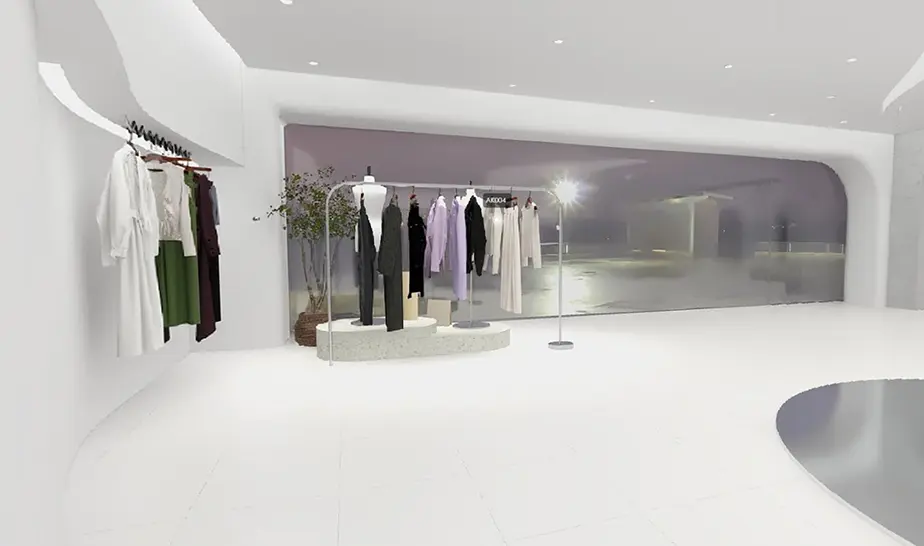
By integrating virtual fashion design technology, Fuji Fashion has redefined the classic product development cycle. We construct high-fidelity 3D garment renders that simulate draping, fiber density, and colorways (including complex purple shades) with total accuracy.
This virtual workflow allows our global partners to preview collections, make adjustments to stitch styles, and finalize tech packs prior to physical yarn dyeing and knitting. The result is a substantial reduction in sample cycle times—from several weeks to just a few days—saving shipping costs, minimizing raw material waste, and streamlining the path to production.
Explore Our 3D Design CapabilitiesEssential answers for B2B apparel buyers, sourcing managers, and fashion designers on luxury cashmere manufacturing.
We source only high-grade cashmere raw materials, typically boasting a fiber diameter of 15.0μm to 15.8μm and a staple length of 34mm to 38mm. This ensures optimal tensile strength, excellent resistance to pilling, and a soft, luxurious hand-feel that meets global luxury standards.
Our facility utilizes computerized dye kitchens equipped with automated dispensing systems. We use Swiss and German reactive dyes that are OEKO-TEX compliant, and verify color accuracy using digital spectrophotometers to maintain delta-E (dE) color variation values below 1.0.
For standard collections utilizing stock-supported yarns, our production lead time is typically 30 to 45 days. For custom yarn spinning, custom dyeing (such as match-to-swatch purple tones), or complex intarsia patterns, our timeline ranges from 60 to 75 days, depending on seasonal volume.
Yes, we offer flexible MOQ structures for premium collections. While our standard bulk production run is typically 300 pieces per style/color, we support lower limits (starting at 50-100 pieces per style) for brands utilizing our stock-supported yarns or utilizing digital print and flat-bed technology.
Wuxi Fuji Fashion is ISO 9001 certified and regularly undergoes third-party audits. We are BSCI compliant, hold WRAP certifications, and can supply transaction certificates (TCs) for organic and recycled cashmere styles to verify your supply chain integrity.
We implement eco-friendly easycare treatments that modify the fiber scales of wool and cashmere, preventing shrinkage during machine washing. This process uses safe components, allowing garments to carry "machine-washable" labeling without compromising hand-feel.
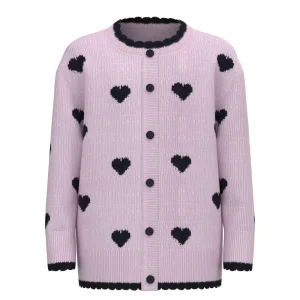
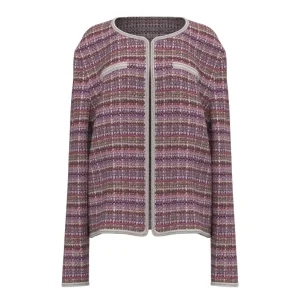
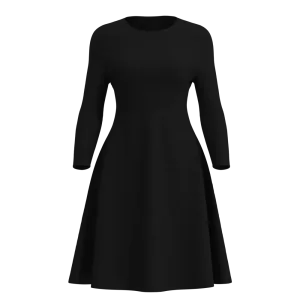
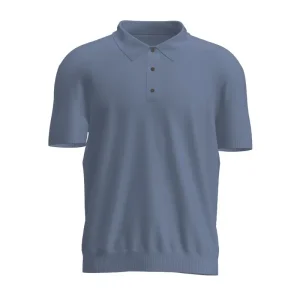
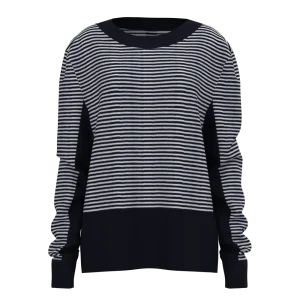
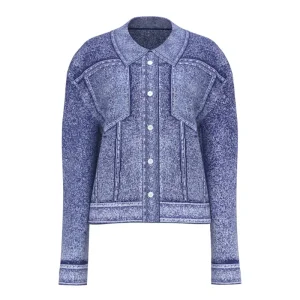
Explore our secondary collection, showcasing advanced fabrication techniques, tailored outerwear, and structured kidswear.
Whether you require a custom sample run, detailed yarn certifications, or a comprehensive quote for seasonal manufacturing, our team of experts is ready to support you.
TALK TO OUR TEAM TODAY FUJI
FUJI