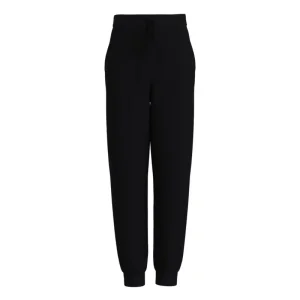
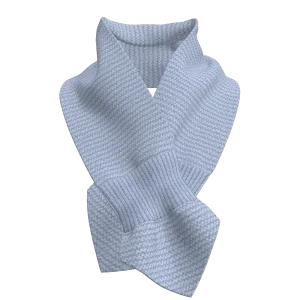
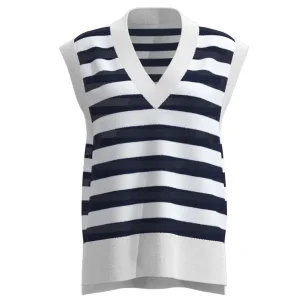
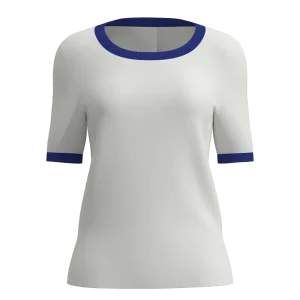
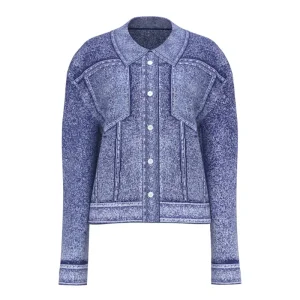
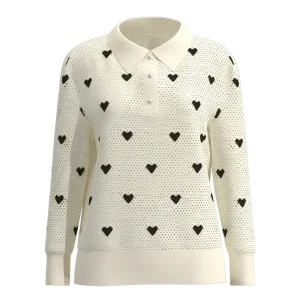
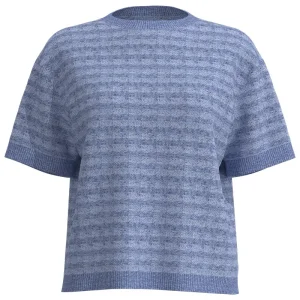
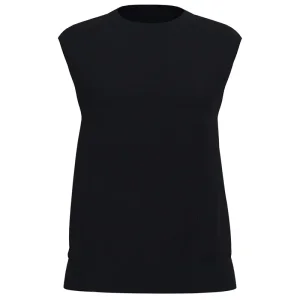
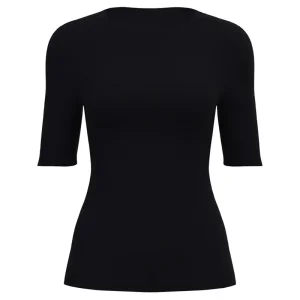
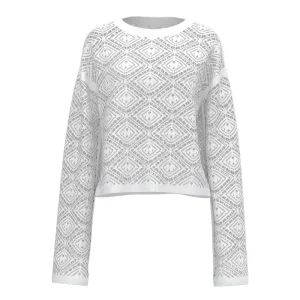
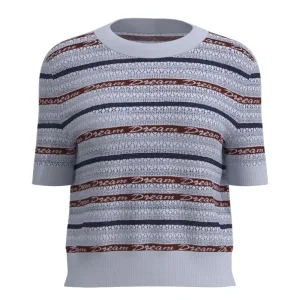
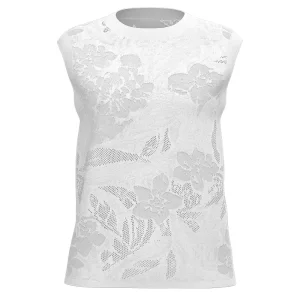
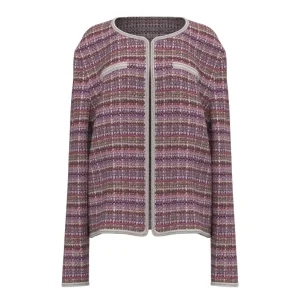
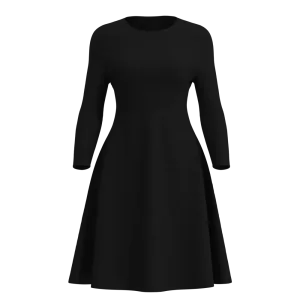
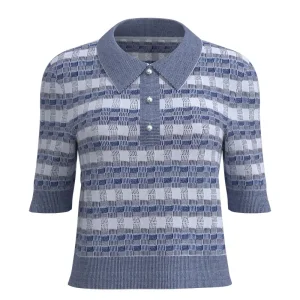
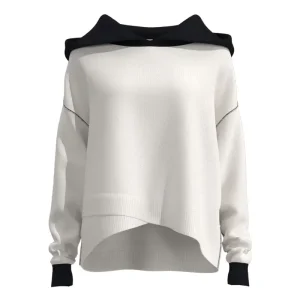
Explore our highly engineered selection of ladies' and children's eco-friendly knit collections, crafted for global high-end fashion brands.
In the contemporary landscape of global fashion supply chains, the sourcing of premium natural fiber knitwear has transitioned from a routine procurement task to a highly technical strategic operation. Specifically, high-quality women's linen sweaters occupy a unique niche: they bridge the gap between high-end luxury aesthetics and natural thermo-regulating performance. For global sourcing managers, compliance directors, and brand developers, partnering with the right manufacturing factories in China is essential to navigating raw material volatility, structural design complexity, and sustainability mandates.
This comprehensive industry report addresses the critical technical frameworks of linen sweater manufacturing. It explores modern knitting advancements, sustainable raw flax sourcing, global quality compliance, and how pioneers like Wuxi Fuji Fashion Co., Ltd. leverage over three decades of experience to supply top-tier fashion labels globally.
Consumer demand in the premium knitwear sector is undergoing a massive shift towards organic, traceably sourced natural fibers. Historically, wool and cashmere dominated fall and winter collections, leaving spring and summer knitwear as an afterthought. Today, the "Quiet Luxury" movement and conscious consumer habits have propelled linen—derived from the flax plant (Linum usitatissimum)—into a year-round essential.
Linen is structurally unique. It boasts high natural tensile strength, superior breathability, and rapid moisture-wicking characteristics. However, pure linen presents severe physical constraints on standard knitting equipment: it has virtually no elastic recovery, a tendency to bias (twist) post-washing, and is highly susceptible to slubs and yarn breakages under high tensions. Forward-thinking factories bypass these challenges using innovative blending methodologies. Mixing organic flax with long-staple cotton, mulberry silk, or post-consumer recycled polyamide yields a fabric with the rich slub texture of traditional linen but with significantly enhanced elastic recovery, drape, and durability.
Standard flat-bed knitting machinery is fundamentally engineered for elastic yarns. When weaving unblended linen, tension spikes often lead to drop-stitches and needle breakages. To address this, high-performance manufacturers implement specialized technical solutions:
Linen yarns are treated with food-grade paraffin lubricants during the winding phase to temporarily lower friction values. Electronic yarn-storage feeders (e.g., IRO or Memminger systems) are installed on flat-bed knitting machines to guarantee an active, constant-tension feed, eliminating drop-stitches caused by uneven yarn drag.
High-end women's linen sweaters call for distinct textures: coarse, open-stitch summer cardigans (3GG to 5GG) require completely different machine calibrations than fine-gauge, semi-sheer crewnecks (12GG to 14GG). Modern mills utilize computerized flat knitting machines (like Shima Seiki or Stoll) equipped with variable gauge capabilities to dynamically adjust stitch lengths.
Unwashed linen feels stiff and coarse. Premium manufacturers deploy complex enzyme washes, organic softeners, and precise tumbler drying techniques to relax the flax fibers. This process ensures the garments reach the end-consumer with a soft, lived-in feel while pre-shrinking the fabric to stabilize dimensional tolerances.
Established in 1992 and strategically located in the high-tech Science and Technology Industrial Park near the scenic Tai Lake in Wuxi City, Jiangsu Province, China, Wuxi Fuji Fashion Co., Ltd. has evolved into an industry-leading knitwear manufacturer. With over 30 years of specialized manufacturing experience, Fuji Fashion operates at the intersection of traditional craftsmanship and digital textile innovation.
The company possesses state-of-the-art horizontal knitting facilities and operates a fully integrated supply chain from design to logistics. Fuji Fashion's commitment to modernization is best demonstrated by its adoption of 3D digital prototyping technology. By generating highly accurate digital samples, the company dramatically reduces material waste, shortens lead times, and helps global brands refine designs before physical production begins. This system integrates seamlessly with their 3D Exhibition Hall, allowing international buyers to review collections virtually in real-time.
By utilizing 3D CAD design, custom fabric representations are mapped onto digital avatars. This system accelerates approval processes and matches fit specs within millimeters.
From low-liquor ratio dyeing machines to strict water recycling protocols, Fuji Fashion prioritizes ecological balance throughout the manufacturing lifecycle.
Fuji Fashion collaborates with premier labels across North America, Europe, and Asia, conforming to strict quality audits and international testing standards.
Building a resilient, cost-effective supply chain for women's linen garments requires a comprehensive macro approach. Sourcing high-quality raw materials is the first step. Fuji Fashion sources its flax from certified cultivation zones in France and Belgium, where soil conditions and traditional retting practices produce long, strong flax fibers.
Furthermore, our factories integrate robust logistics services. We help clients optimize tariff duties through structured customs documentation, provide trans-shipment support, and offer customized retail-ready packaging to shorten the time from dock to store shelf.
To sell in highly regulated markets like the European Union and North America, knitwear must comply with strict environmental, social, and safety codes. At Fuji Fashion, compliance is integrated into every phase of our manufacturing cycle.
Our facilities comply with global certification standards including the Global Organic Textile Standard (GOTS), OEKO-TEX® Standard 100, and the Recycled Claim Standard (RCS). This ensures our products are free of harmful substances and manufactured in socially responsible conditions.
We provide comprehensive testing documentation for every production batch. Our records cover shrinkage tolerances, pilling resistance, skewing control, and colorfastness. This documentation facilitates seamless customs clearance and guarantees high quality for retail brands.
Looking ahead, knitwear manufacturing will be driven by digital innovation and circular economy principles. Fuji Fashion is developing a detailed technological roadmap to address these changes:
A diverse catalog of fine-knit items engineered for maximum durability, comfort, and style.
Clear answers to common questions about technical specs, MOQ, fabric performance, and production workflows.
Planning your next seasonal collection? Reach out to our design and engineering teams in Wuxi for custom samples, 3D prototyping, and direct factory quotes.
Submit Sourcing Request FUJI
FUJI