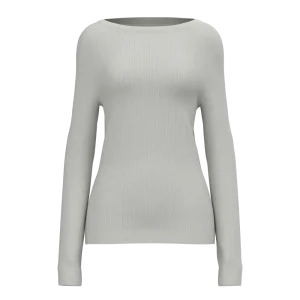
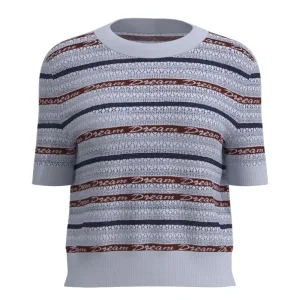
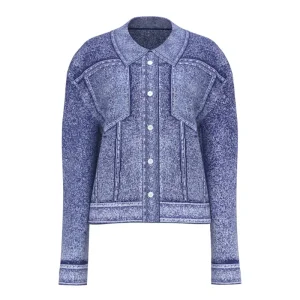
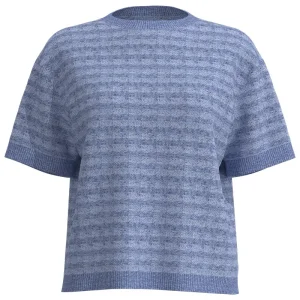
The global market for high-quality cashmere knitwear is undergoing a structural evolution. Driven by shifts in consumer preferences toward "quiet luxury" and sustainable apparel, cashmere cardigans—particularly in versatile neutral tones like gray—have transformed from seasonal fashion statements into core wardrobe investments. Cashmere, harvested from the undercoat of cashmere goats (mainly *Capra hircus*), is prized for its extreme softness, light weight, and heat-insulating properties that are up to three times superior to sheep’s wool.
For global purchasers, sourcing premium gray cashmere cardigans requires an intimate understanding of the international supply chain. The processing of cashmere is geographically concentrated. The raw material originates predominantly in the high-altitude, semi-arid regions of Inner Mongolia, Outer Mongolia, and the Tibetan Plateau, where harsh winters prompt goats to grow exceptionally fine down coats. The refining, spinning, and manufacturing stages, however, require high technical expertise, which is where specialized manufacturers in China and Italy lead the global market.
"Gray cashmere is unique. Because gray is a compound color, achieving the perfect heathered or solid shade of gray requires blending different ratios of white, light-gray, and brown raw cashmere fibers. Premium gray cashmere minimizes the need for harsh synthetic dyes, preserving the integrity, length, and natural loft of the delicate fibers."
As a result, leading global retail brands and corporate buyers focus their audits not just on the final garment, but on the raw fiber sorting, dyeing processes, and knitting precision. Our factory works closely with certified herds to source cashmere fibers that average under 15.5 microns in thickness and exceed 34mm in staple length, ensuring long-term wearability and minimal pilling.
China remains the undisputed global hub for cashmere processing and garment manufacturing, accounting for over 70% of the world's total cashmere production. The efficiency and capability of Chinese factories go far beyond simple cost advantages. Advanced infrastructure, specialized regional industrial clusters (such as in Jiangsu and Zhejiang provinces), and a skilled labor pool allow for seamless execution of both small-batch premium orders and high-volume retail runs.
In modern cashmere production, technology plays a critical role in quality control. Leading manufacturers utilize high-precision German and Japanese computer-aided flat knitting machines (like Shima Seiki and Stoll). These state-of-the-art machines allow for seamless WholeGarment knitting, which minimizes waste, eliminates seams for enhanced comfort, and ensures precise dimension consistency across production runs.
Integrated supply chains allow Chinese factories to manage everything from raw fiber sourcing and custom yarn spinning to sample prototyping within 7 to 14 business days.
Capability to manufacture diverse gauges ranging from ultra-fine 18GG (for lightweight summer layers) to chunky 3GG and 5GG knits, satisfying varied brand requirements.
Multi-stage inspection protocols, including automated yarn tension sensors, metal detectors, and individual garment hand-linking inspections before packaging.
For international brands, partnering directly with experienced Chinese factories offers structural cost efficiencies without compromising quality. Large-scale raw fiber procurement capability allows Chinese manufacturers to hedge against raw material price fluctuations, providing global clients with competitive pricing models.
Wuxi Fuji Fashion Co., Ltd. was founded in 1992, headquartered in Science and Technology Industrial Park, besides the Tai Lake, Wuxi city, Jiangsu Province, China. Now Fuji is a top knitwear manufacturer in China, and has been working with major high-end fashion brands all over the world.
With over three decades of manufacturing excellence, our facility integrates vertical production steps: from yarn-spinning and custom dye formulation to advanced 3D knitting technology. We are dedicated to providing sustainable cashmere and wool solutions that conform to global social compliance standards.
Our strategic location near Shanghai port ensures optimized shipping routes and convenient global logistics. We serve premium brands in the United States, Europe, Japan, and Australia, providing bespoke OEM and ODM services.
LEARN MORE
The gray cashmere cardigan is a cornerstone item in multiple lifestyle and professional environments. Understanding consumer intent helps wholesale buyers plan collections and structure retail marketing. Here are the core applications driving customer searches:
As corporate dress codes shift toward flexibility, high-quality knit cardigans are replacing traditional structured blazers. Gray (specifically charcoal and heather gray) is favored for its neutral, professional appearance. It coordinates well with white shirts, dark trousers, and dresses.
Cashmere is a natural thermoregulator, making it suitable for travel. Cardigans are easy to pack and wear on flights or during seasonal transitions, offering lightweight warmth without bulk.
Modern luxury consumers search for GOTS (Global Organic Textile Standard) or GRS (Global Recycled Standard) certified cashmere. Minimally dyed gray cashmere aligns with the visual language of sustainable fashion.
Experience our production lines, knitting labs, and design studios virtually with our immersive 3D technology tour.
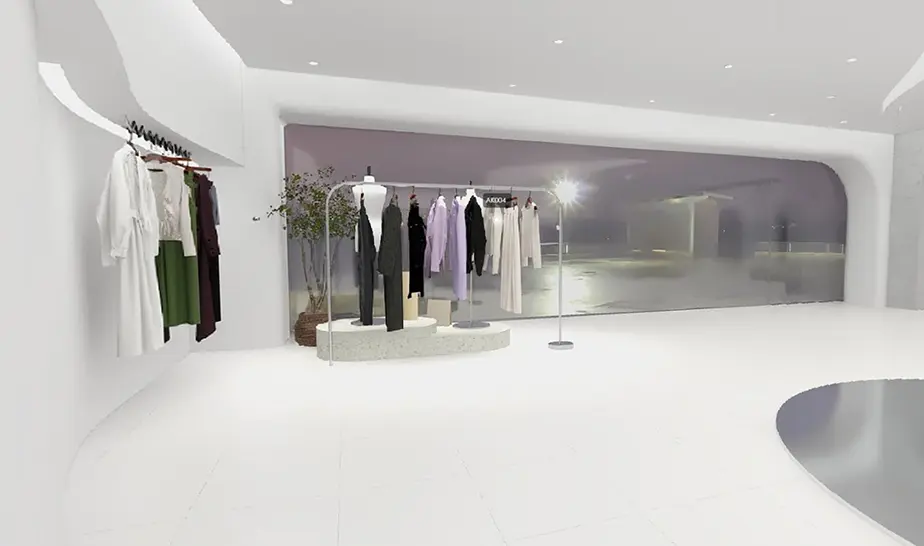
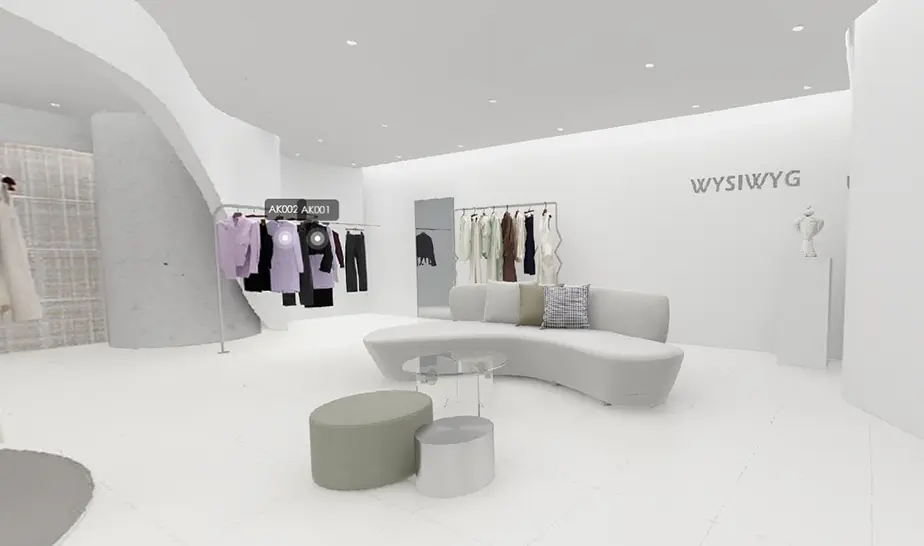

For procurement managers, evaluating suppliers requires looking beyond pricing. Here are the key technical indicators of a premium cashmere cardigan manufacturer:
Yarn count refers to the thickness of the spun yarn. A common standard for fine cardigans is 2/26 Nm (two-ply yarn of 26 count), which offers a good balance of warmth and weight. Two-ply yarn is more durable and less prone to twisting than single-ply alternatives.
A tightly knit cardigan retains its shape better and resists pilling. Loose knit cardigans may feel softer initially, but they tend to stretch and lose shape over time. A reliable factory maintains consistent tension settings on their flatbed knitting machines.
The characteristic softness of cashmere is enhanced through washing and finishing. This process must be carefully controlled: over-washing creates immediate softness but weakens the fibers and increases pilling. An experienced supplier optimizes the washing process to balance softness and durability.
Shanghai, 2024 - SPIN EXPO, a leading force in the global textile industry, is set to dazzle once...
Wuxi Fuji Fashion Limited is thrilled to announce the grand celebration of its 30th anniversary...
As technology advances, the application of 3D technology in the knitwear industry is rapidly gain...
Every batch of raw cashmere we source is sent to independent laboratories (such as SGS or Intertek) to test fiber composition, mean fiber diameter (micron count), and staple length. We provide formal material analysis reports (MTAs) and compliance certificates to our buyers before production starts.
For stock-supported cashmere yarn colors (including classic gray tones), the MOQ starts at 100 to 200 pieces per style. For custom-dyed yarns matching specific Pantone colors, the MOQ starts at 500 pieces per color, which aligns with yarn mill minimum dye lots.
We align with the Sustainable Fibre Alliance (SFA) guidelines and the Good Cashmere Standard (GCS). These standards verify animal welfare, environmental management on grasslands, and fair working conditions for herding families.
Lead times vary depending on yarn availability. If using stock yarn colors, production takes approximately 45 to 60 days from final sample approval. For custom-dyed orders, the lead time is 75 to 90 days.
Yes, we offer comprehensive OEM and ODM services. This includes producing custom brand labels, care tags, tissue paper wraps, and recycled polybags or boxes to meet your brand guidelines.
We strive to provide customers with quality products. Request product catalogs, custom samples, and bulk pricing quotations.
INQUIRY NOW FUJI
FUJI