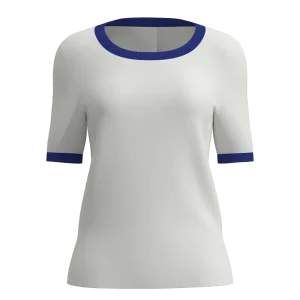
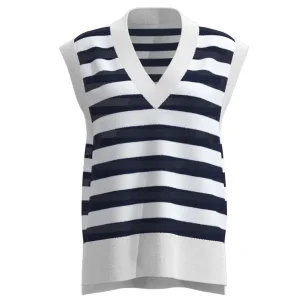
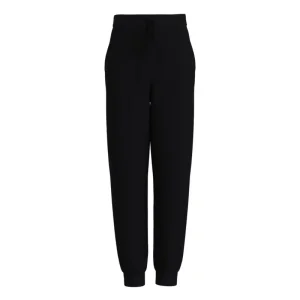
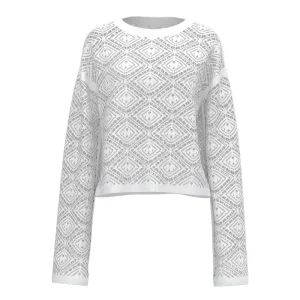
In the modern global apparel market, antimicrobial knitwear has transcended from a specialized niche in healthcare to a major consumer expectation across activewear, corporate uniforms, and everyday luxury apparel. Today's consumers demand garments that stay fresh, resist odor-causing bacteria, and require less frequent washing—a trend directly aligned with global sustainability objectives.
Antimicrobial knitwear operates at the intersection of material science and textile engineering. By integrating active bio-protective agents directly into yarn polymers or applying them during advanced finishing processes, manufacturers can inhibit the growth of microscopic organisms such as bacteria, fungi, and mold. This not only maintains hygiene but also prevents fiber degradation, thereby significantly extending the service life of the garment.
Traditional antimicrobial treatments relied heavily on chemical leaching. Modern premium solutions, however, employ non-leaching physical barriers that rupture microbial cell walls on contact without depleting the active agent, ensuring long-lasting efficacy even after 50+ industrial washes.

By embedding microscopic silver ions directly into synthetic polymers (such as polyester or polyamide) prior to extrusion, the antimicrobial property becomes an intrinsic part of the yarn structure. It cannot be washed off, guaranteeing permanent efficacy.
For high-end eco-friendly garments, we utilize natural chitosan derived from crustacean shells or plant-based extracts. These organic agents provide excellent skin-friendly protection and biodegrade naturally without polluting wastewater systems.
This surface treatment technique creates a microscopic layer of "sword-like" positively charged molecules. When negatively charged bacteria come into contact, the molecule punctures their membrane, eliminating odors at the source without chemicals.
The global textile supply chain relies heavily on Chinese hubs, not simply for raw volume, but for technological dominance. For premium antimicrobial knitwear, Chinese facilities offer integrated vertical supply chains that encompass everything from polymerization and chemical formulation to complex flat-knitting technology.
Factories situated in key industrial zones like Jiangsu Province benefit from localized high-tech dye houses, advanced yarn spinning mills, and testing laboratories. This concentrated ecosystem drastically reduces lead times for bespoke formulations and custom dye lots, ensuring absolute consistency in both fabric hand-feel and biological efficacy.
Moreover, Chinese manufacturers have heavily invested in automated manufacturing technologies, utilizing computerized flat knitting machines (such as Shima Seiki and Stoll) that allow for precise zone-knitting. This technique integrates breathable, antimicrobial, and elastic zones into a single garment piece with zero seams, optimizing comfort and function.
Access to advanced synthetic and natural blend yarns (such as merino wool, modal, and recycled polyester) allows for instant prototyping of functional apparel.
On-site testing laboratories execute AATCC 100, AATCC 147, and ISO 20743 protocols to verify antimicrobial efficacy before the finished goods leave the factory floor.
Agile production lines can scale from quick-turn capsule collections to massive multi-million unit retail rollouts, while preserving strict quality tolerances.
Founded in 1992, Wuxi Fuji Fashion Co., Ltd. is headquartered in the prestigious Science and Technology Industrial Park alongside the scenic Tai Lake in Wuxi City, Jiangsu Province, China. Over the course of three decades, Fuji has established itself as an elite pioneer in the high-end knitwear manufacturing industry.
By blending traditional craftsmanship with advanced textile science, Fuji has become a trusted partner for major fashion labels and global corporations across Europe, North America, and Asia. Our commitment to sustainability, product safety, and technical performance makes us a frontrunner in the antimicrobial knitwear market.
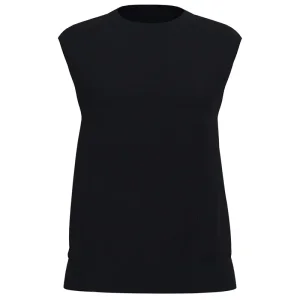
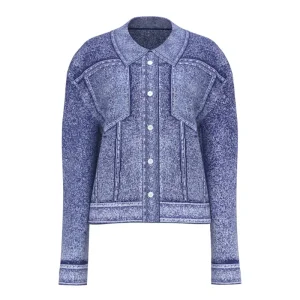
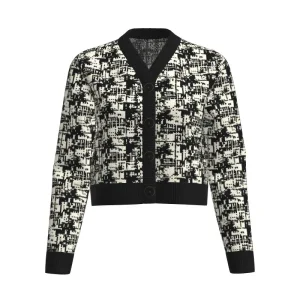
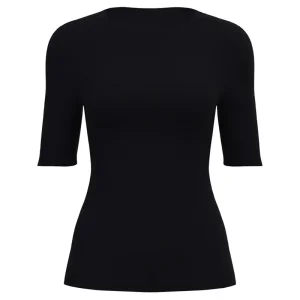
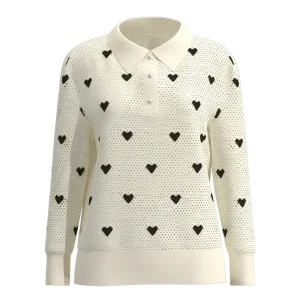
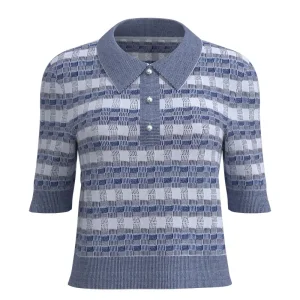
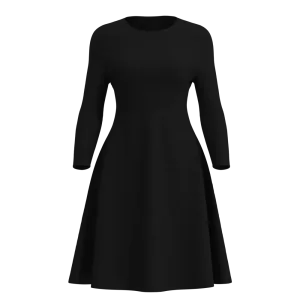
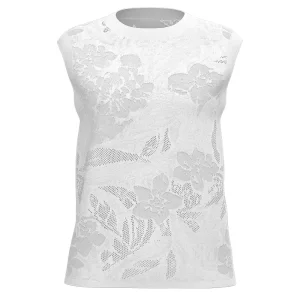
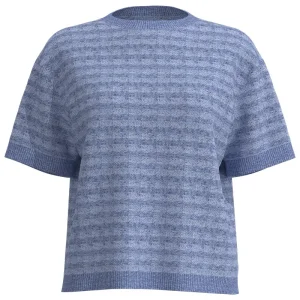
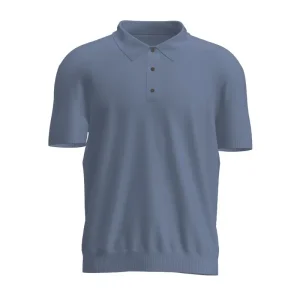
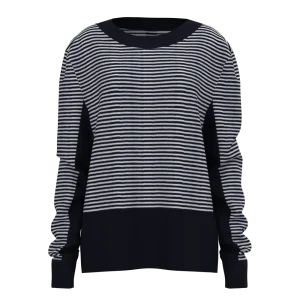
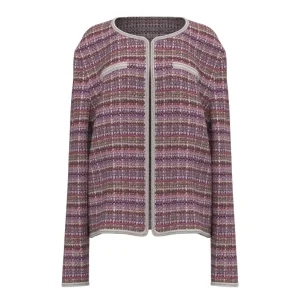
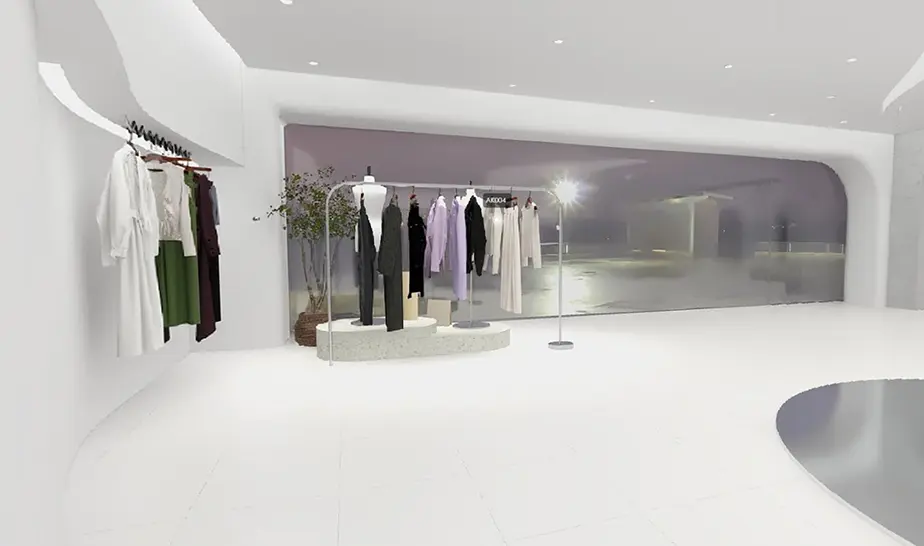
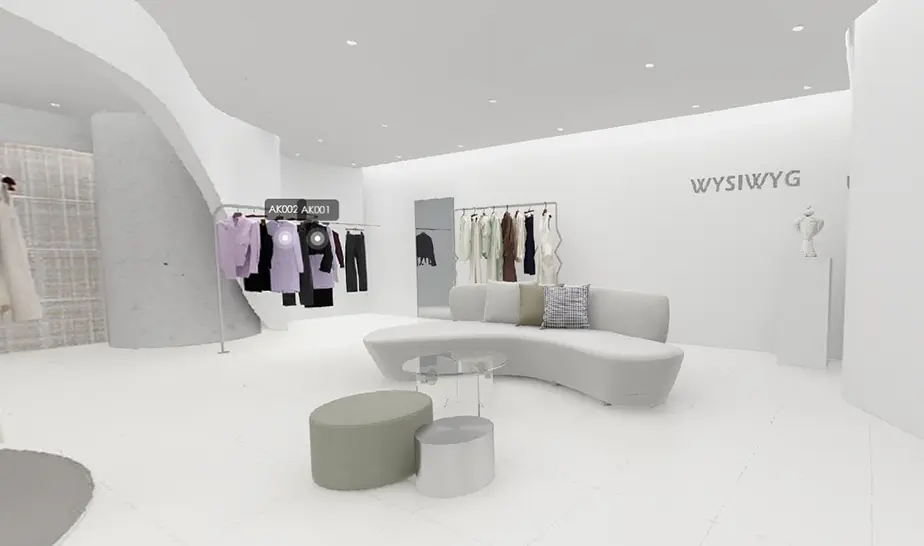
Our facility leverages 3D design software to streamline garment prototyping, minimizing fabric waste and accelerating time-to-market. Clients can explore our digital showroom to evaluate complex stitch patterns, structural drapes, and technical functional configurations remotely.

Non-leaching antimicrobial scrubs, patient wear, and therapeutic knitwear designed to inhibit pathogen transmission, maintaining a clean micro-climate around the clock.
Seamless knitwear featuring targeted ventilation and moisture-wicking properties, combined with permanent silver-ion tech to keep athletes dry, comfortable, and odor-free.
Elegant knit shirts, cardigans, and trousers designed for long shifts. Odor resistance reduces the need for daily laundering, extending fabric wear life and lowering costs.
Every batch of high-performance functional knitwear must comply with key international safety, performance, and environmental protocols.
Procuring antimicrobial knitwear at an enterprise scale requires strict compliance checks. Global brands cannot risk environmental contamination or skin allergy recalls. Therefore, we ensure all components meet the most stringent criteria: OEKO-TEX Standard 100 Class I (safe for infants) and Bluesign certifications, verifying that no harmful chemicals were introduced to the ecosystem.
For chemical and physical efficacy verification, our production batches undergo rigorous testing protocols including:
Integrating antimicrobial polymers that degrade naturally within landfill environments without leaving synthetic microplastics behind, promoting circular fashion.
Combining conductive silver-plated fibers with antimicrobial properties to create knits that track vital signs while keeping skin conditions optimized.
Utilizing machine learning models to simulate yarn tension, density, and finishing concentrations to achieve target antimicrobial performance at the lowest possible cost.
Shanghai, 2024 - SPIN EXPO, a leading force in the global textile industry, is set to dazzle once...
Read MoreWuxi Fuji Fashion Limited is thrilled to announce the grand celebration of its 30th anniversary. ...
Read MoreAs technology advances, the application of 3D technology in the knitwear industry is rapidly gaining...
Read MoreConsult with our structural design engineers to build your next custom, functional, bio-protective knitwear line. Request technical catalogs, compliance certifications, and free sample swatch packs.
INQUIRY NOW FUJI
FUJI