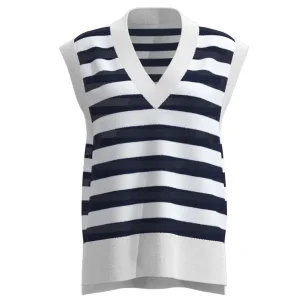
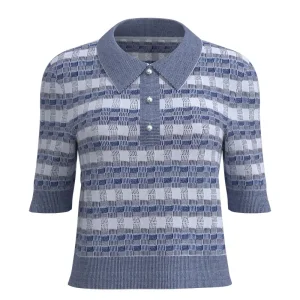
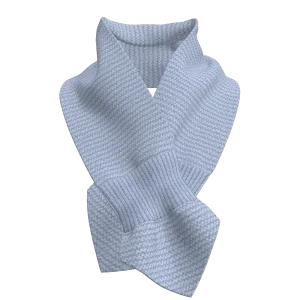
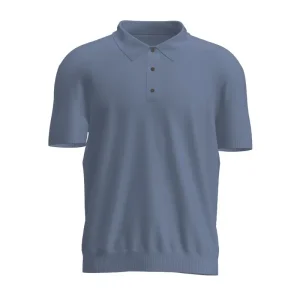
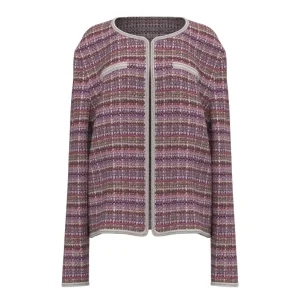
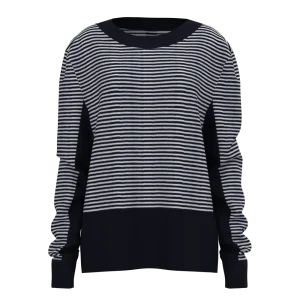
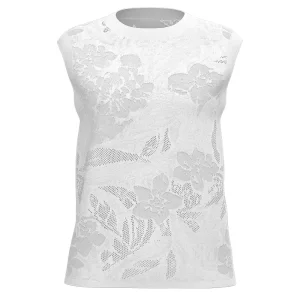
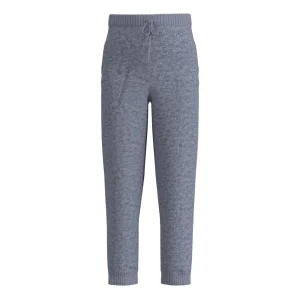
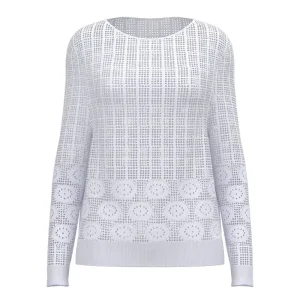
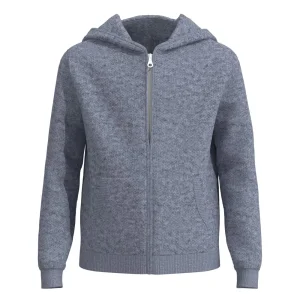
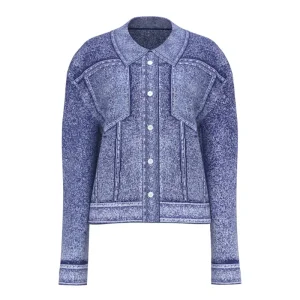
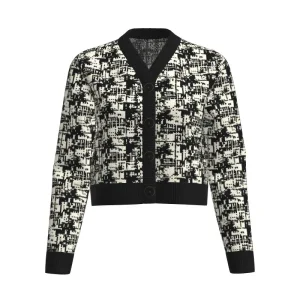
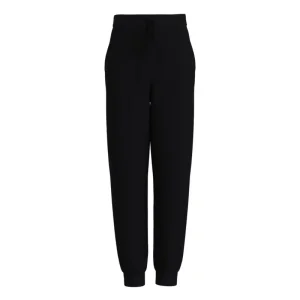
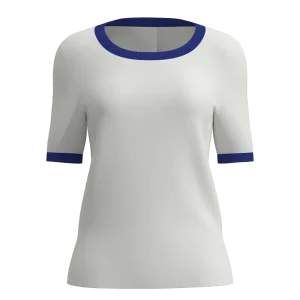
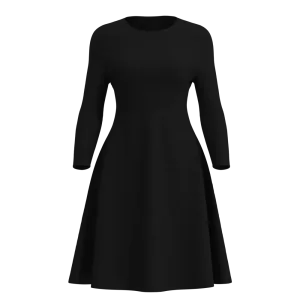
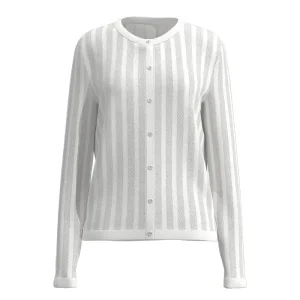
Explore our versatile knitwear portfolio, crafted under strict quality criteria matching global high-end fashion standards.
Analyzing market volume, sustainable growth trends, and the strategic positioning of Chinese manufacturing centers.
In the contemporary fashion market, the "Green Jumper" has transcended basic seasonal styling to become an industry benchmark for sustainable transformation. Consumer demand for green knitwear, spanning shades from light sage to deep olive and rich emerald, is expanding rapidly. This growth is heavily driven by shifting psychological paradigms post-pandemic, where hues associated with nature, renewal, and wellness represent safety and responsibility.
China's manufacturing sector acts as the critical supply engine for this global demand. Specialized factory clusters in Jiangsu and Zhejiang provinces leverage vertically integrated supply chains. This setup allows manufacturers to process raw fibers, run high-precision dyeing operations, and execute zero-waste 3D knitting within incredibly tight timeframes, meeting global compliance standards.
Statistical analysis indicates a compound annual growth rate (CAGR) of 8.4% for green-hued premium women's knitwear between 2022 and 2028. This growth is predominantly driven by B2B buyers in Northern Europe, North America, and high-end urban centers across the Asia-Pacific region.
By adopting local textile clusters, premium manufacturers minimize domestic freight delays and secure direct access to the world's most advanced yarn mills, ensuring zero contamination during batches.
A breakdown of B2B textile specifications, including fiber content, yarn processing, and environmental certifications.
Harvested from certified farms that strictly avoid mulesing, our superfine Merino wool offers natural elasticity, moisture management, and biodegradation. We process this wool at 19.5-micron levels to ensure a soft feel and long-lasting durability.
Cultivated using non-GMO seeds without toxic synthetic pesticides. Organic cotton forms the structural base for our spring and summer lightweight jumper collections, delivering breathability and allergen-free comfort.
Blending Global Recycled Standard (GRS) certified polyester and nylon allows us to create structured silhouettes while reducing dependence on virgin fossil resources. This aligns with circular fashion design principles.
Below are the real industrial pattern outputs showing our texture variations, including cables, flat knits, and structural jacquards.
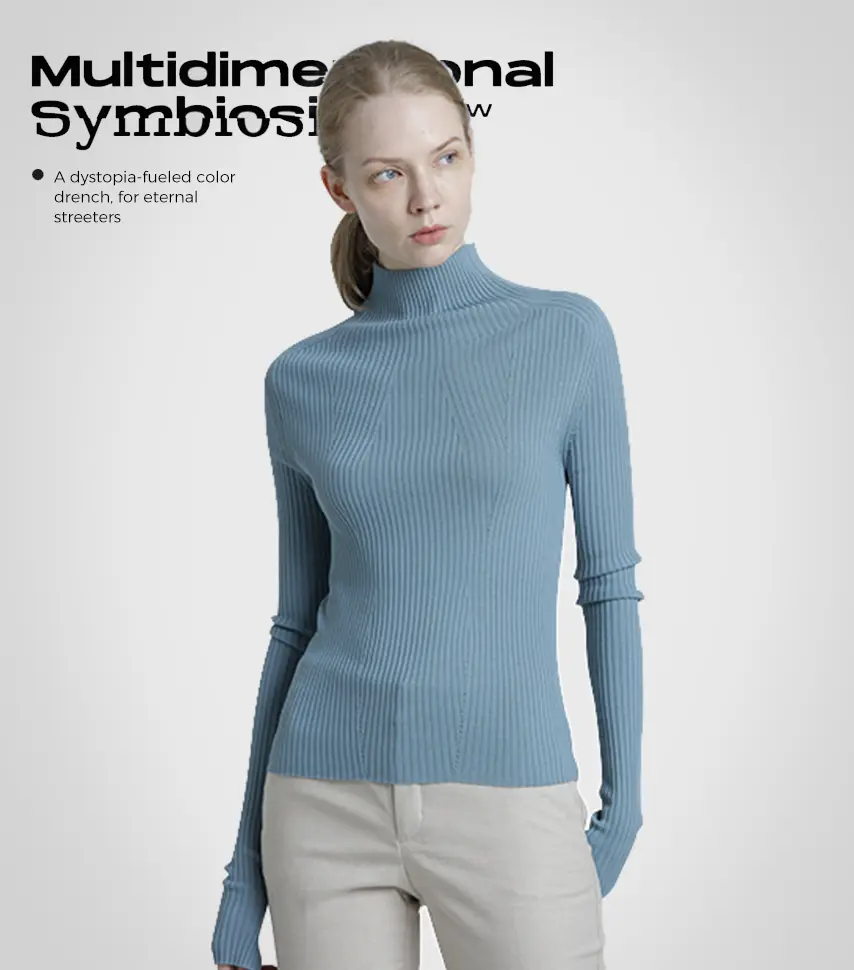


| Fiber Blend Options | Gauge Support (GG) | Color Fastness Rating | Optimal Application Scenario | Certifications Met |
|---|---|---|---|---|
| 100% Superfine Merino Wool | 12GG / 14GG / 16GG | Grade 4-5 (ISO 105) | Premium office layering & outdoor insulating knits | RWS, OEKO-TEX Std 100 |
| 70% Organic Cotton, 30% Cashmere | 7GG / 9GG / 12GG | Grade 4 (ISO 105) | All-season high-luxury everyday retail collections | GOTS, Certified Cashmere |
| Recycled Polyester & Nylon Blend | 3GG / 5GG / 7GG | Grade 4.5 (ISO 105) | Chunky heavyweight outerwear & structural modern shapes | GRS, Recycled Blends |
| 100% Pure Cashmere | 12GG | Grade 4 (ISO 105) | High-end luxury capsules and gift collections | Traceable Cashmere Supply |
Modern manufacturers use digital modeling to accelerate sample design, reduce physical waste, and optimize international logistics.
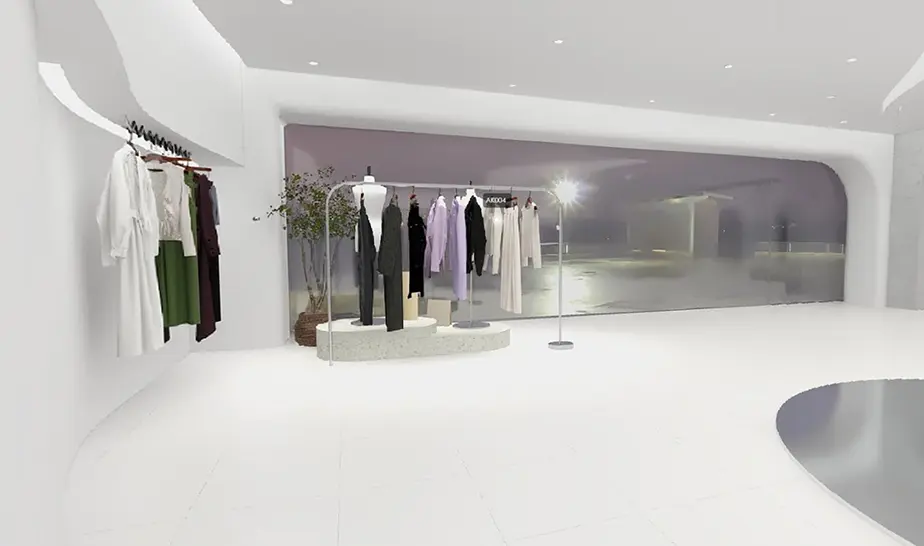
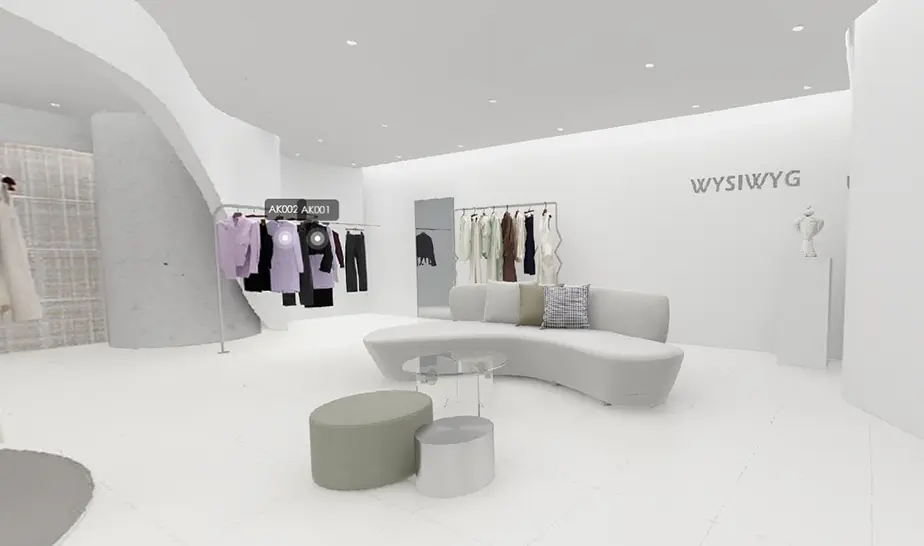
Modern B2B garment purchasing demands fast turnaround times and high accuracy. Historically, sending physical samples back and forth between global brands and factories in Wuxi created significant waste and delayed product launches by weeks. Today, this process is streamlined through virtual prototypes.
We use state-of-the-art flat-bed knitting machinery linked directly to design software. This setup allows pattern adjustments to be rendered instantly in high-definition 3D files. This approach ensures tension settings, stitch structures, and yarn behaviors are calculated before knitting a single thread, reducing pre-production raw material waste to almost zero.
This technical approach aligns with international regulatory expectations around green manufacturing processes. By shifting development to digital workflows, we lower carbon footprints and optimize the production process.
Our virtual exhibition tools allow global product teams to evaluate garment fit, drape, and color accuracy remotely, which streamlines the approval process and speeds up time-to-market.

A leading force in premium Chinese knitwear manufacturing, established in 1992.
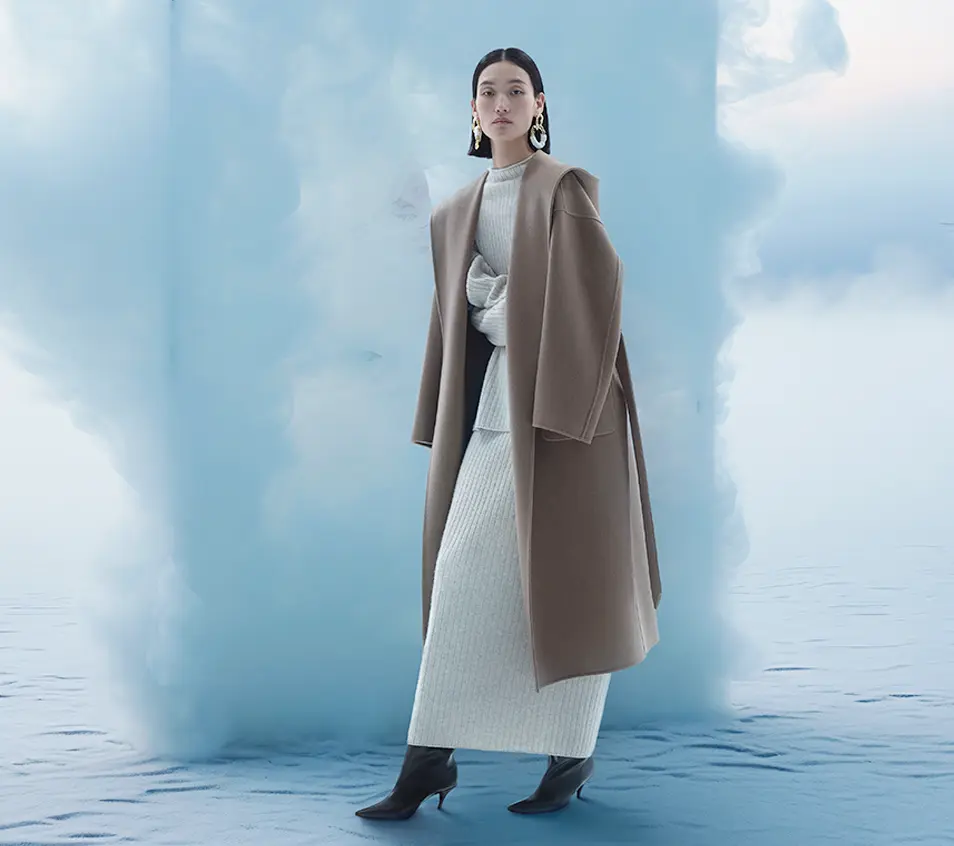
Wuxi Fuji Fashion Co., Ltd. was founded in 1992. The company is headquartered in the Science and Technology Industrial Park alongside Lake Tai in Wuxi, Jiangsu Province, China. Over more than three decades, Fuji has grown into a leading knitwear manufacturer, working closely with prominent global fashion brands.
Our location in Wuxi provides strong logisitical advantages, including close proximity to major yarn suppliers, finishing facilities, and international ports in Shanghai. This enables efficient global shipping via ocean, air, and rail links.
We blend traditional knitting craft with modern, automated technology to supply brands worldwide with high-quality, sustainably produced knitwear.
Tailored knitwear designs matching regional style expectations and climate demands.
Minimalist, functional silhouettes built for layering. Heavy focus on earth tones like sage and dark olive. High-gauge Merino wool and organic cotton blends provide temperature regulation for changing climates.
Casual wear, relaxed shapes, and athleisure-focused styles. Collections focus on easy-care, machine-washable cotton and recycled blends suitable for everyday use.
Trend-forward, tailored cuts featuring crop designs, ribbed textures, and pastel green tones. Fits focus on lightweight structures like silk-cotton and fine cashmere blends.
Stay informed with direct updates from textile exhibitions, corporate milestones, and technology trials.
SPIN EXPO, a leading force in the global textile industry, is set to present new fiber technologies, sustainable dyeing methods, and seasonal color predictions in Shanghai.
Wuxi Fuji Fashion Limited is celebrating its 30th anniversary. From small beginnings to a leading smart factory, we remain committed to quality, partnerships, and sustainable production.
As technology develops, 3D printing and digital prototyping are changing the knitwear industry, helping brands reduce sampling waste and shorten production cycles.
Technical answers to key procurement, manufacturing, and shipping questions.
View our broader collection of sweaters, jackets, cardigans, and knitwear accessories.
We work to provide quality products and reliable supply chain support. Contact us to request product information, physical samples, or custom price quotes.
 FUJI
FUJI