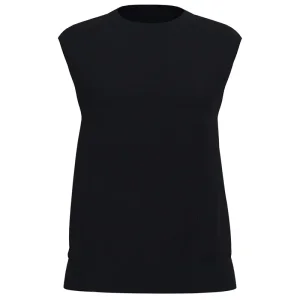
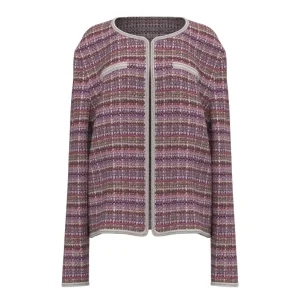
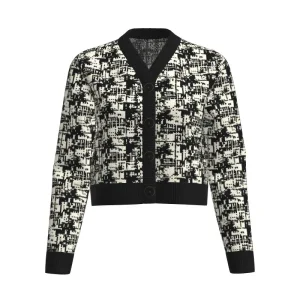
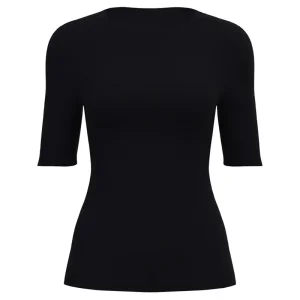
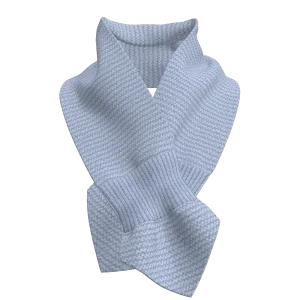
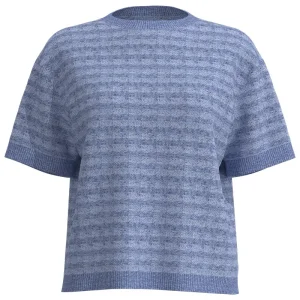
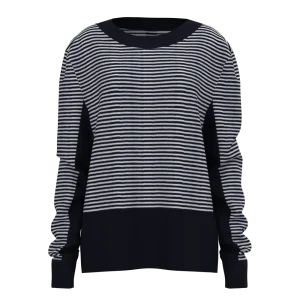
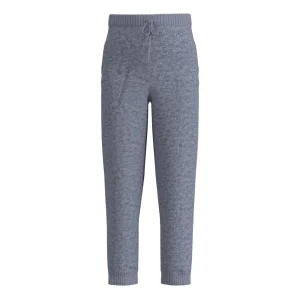
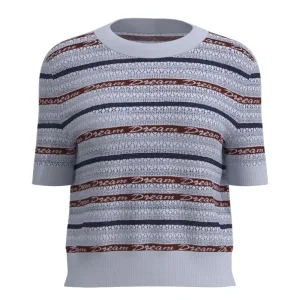
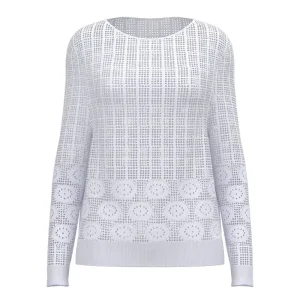
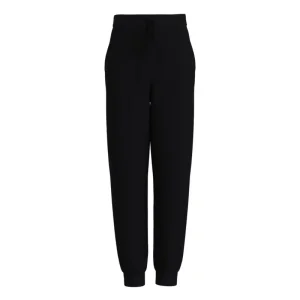
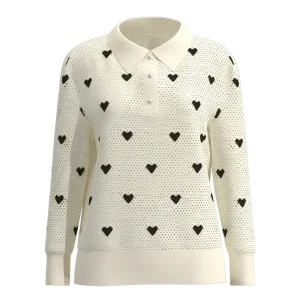
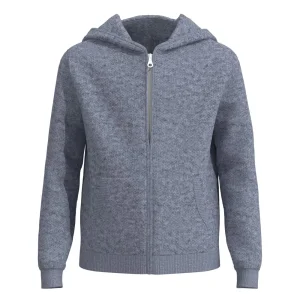
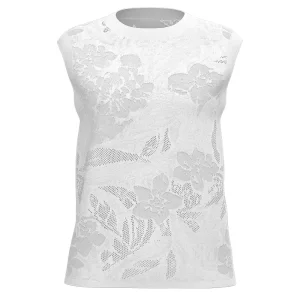
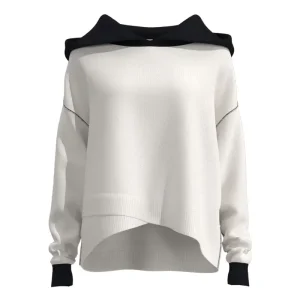
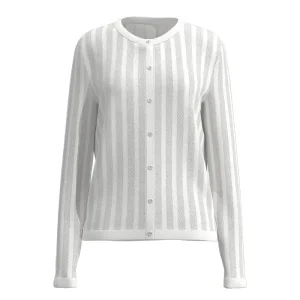
Explore our elite selection of high-grade, precision-manufactured knitwear and raw white cashmere articles sourced directly from our advanced facilities.
Decoding the Global Value Chain of Premium Chinese Cashmere
In the high-end apparel sector, the China White Cardigan Cashmere Factory ecosystem stands as the undisputed epicenter of premium fiber processing and finished garment manufacturing. Sourcing white cashmere cardigans is not simply a transactional procurement decision; it is a complex partnership involving material science, computerized design integration, and strict environmental parameters. Globally, white cashmere is recognized as the pinnacle of luxury fibers, highly valued for its extreme fineness, lightness, and capacity to take dye with unmatched brilliance.
For decades, China's Inner Mongolia and surrounding regions have supplied more than 70% of the world’s raw cashmere. However, the paradigm has shifted. Today’s leading manufacturers, such as Wuxi Fuji Fashion Co., Ltd., have transitioned from raw material exporters and basic OEM factories to high-tech, vertically integrated design and manufacturing hubs. Through advanced engineering, computerized knitting machinery, and end-to-end supply chain integration, Chinese factories are leading the charge in sustainable luxury production.
The premium nature of white cashmere cardigans relies on structural fiber dynamics. Average micron diameters for high-grade cashmere range between 13.5μm and 15.5μm, with a staple length exceeding 34mm to 38mm. The "white" variant represents the highest raw commodity value because it does not require initial aggressive bleaching. This preserves the natural protein scale structure of the cashmere fiber, ensuring that the final cardigans maintain their signature loft, elasticity, and resistance to pilling over prolonged wear cycles.
By bypassing harsh chemical treatments, modern factories preserve the mechanical properties of the yarn. This results in cardigans that feature high tensile strength, excellent thermal-to-weight ratios, and an incredibly soft hand-feel that cannot be replicated by synthetics or lesser-grade sheep's wool.
The Technological Evolution of Modern Cashmere Knitwear Production
Employing state-of-the-art Shima Seiki WholeGarment and Stoll computerized flat knitting machines. This technology ensures seamless construction, reducing yarn waste to near zero and delivering perfect structural tension throughout the cardigan panels.
Closed-loop water recycling facilities coupled with non-toxic, biodegradable dyeing processes. Our methods prevent degradation of the delicate protein structures in pure white cashmere, resulting in highly stable, colorfast garments.
Every batch of fiber is traced from pastoral cooperatives through sorting, carding, spinning, and knitting. This provides a transparent custody chain that satisfies the most demanding ESG standards globally.
Wuxi Fuji Fashion Co., Ltd. was founded in 1992, headquartered in Science and Technology Industrial Park, besides the Tai Lake, Wuxi city, Jiangsu Province, China. Now Fuji is a top knitwear manufacturer in China, and has been working with major high-end fashion brands all over the world. Our location provides an integrated, highly advanced logistics cluster, making international exports highly efficient and reliable.
We combine deep heritage craftsmanship with modern manufacturing tech. Our factories handle multiple fiber compositions, specializing in high-grade pure cashmere, fine merino wool blends, cashmere-silk variants, and eco-friendly wash-and-wear textiles. Over the past three decades, we have continuously scaled our facilities to serve clients in Europe, North America, and the Asia-Pacific region, establishing a legacy of trust and quality execution.


The Molecular Mechanics of High-Grade Cashmere Cardigan Manufacture
Producing premium white cashmere cardigans requires an understanding of fiber architecture. Under-hair sorting begins immediately after spring combing, separating the coarser guard hair from the ultra-fine undercoat. In raw white cashmere, the presence of colored fibers is strictly capped at less than 0.05% to avoid tint irregularities. The de-hairing process uses specialized carding cylinders that separate fibers by mass without breaking individual structures, protecting the natural length of the staple.
Once raw fiber is harvested and de-haired, the spinning phase determines the eventual performance of the cardigan. For cardigans, factories typically use ring spinning or advanced compact spinning methods to produce yarns ranging from 2/26 Nm to 2/80 Nm. The "twist per meter" (TPM) must be carefully calibrated. Under-twisting results in high pilling and poor dimensional stability; over-twisting damages the natural softness and elasticity of the yarn, giving the cardigan a stiff hand-feel.
Our technological roadmap focuses on three primary pillars of cashmere fiber engineering:
Flagship designs and technological achievements showcased in international luxury exhibitions.
Sourcing Timelines, Risk Management, and Value Engineering
For global buyers, managing a cashmere cardigan production timeline is critical. Cashmere fiber harvesting occurs annually during the spring shearing season, typically between April and June. Consequently, pricing indexes fluctuate based on yield assessments. Sourcing managers at mid-to-high-end fashion labels must place yarn bookings by late summer to secure the highest-grade white fiber for delivery in the following autumn and winter seasons.
A reliable China White Cardigan Cashmere Factory must mitigate procurement risks by offering flexible production models. These include flexible minimum order quantities (MOQs), stock service yarn options, and integrated color-matching labs (using spectrophotometers to achieve precise dye recipes). By maintaining strategic yarn reserves, Wuxi Fuji Fashion minimizes delays, reducing sample delivery times to 7–10 days and bulk production down to 45–60 days.
To ensure high quality, global buyers should align with their manufacturing partners on a structured development timeline:
Experience our digital showroom. Using advanced 3D scanning technology, explore our knitwear designs and virtual fabric layouts from anywhere in the world.



Meeting Strict International Trade, ESG, and Verification Requirements
Compliance is a critical requirement in modern global luxury sourcing. Enterprises import finished cardigans into highly regulated markets where ESG standards, chemical content limits, and labor conditions are closely monitored. As a leading manufacturer, Wuxi Fuji Fashion maintains a comprehensive suite of international certifications to ensure seamless compliance for global brands.
Our raw fiber supplies are certified under the Responsible Wool Standard (RWS) and the Good Cashmere Standard (GCS), verifying the welfare of cashmere goats, the preservation of grasslands, and the fair treatment of pastoral communities. Our processing and manufacturing lines are audited annually to meet the Global Organic Textile Standard (GOTS) and OEKO-TEX Standard 100, certifying that no harmful chemical residues remain on finished knit garments.
Our commitment to compliance simplifies the import process for global brands. By ensuring that every stage of our supply chain is documented, we help you meet the necessary regulatory standards with confidence.
Stay informed on global cashmere trends, industrial technological innovations, and company milestones.
Shanghai, 2024 - SPIN EXPO, a leading force in the global textile industry, is set to dazzle once again with innovative trends in knits and sustainable yarn designs.
Wuxi Fuji Fashion Limited is thrilled to announce the grand celebration of its 30th anniversary, reflecting on three decades of quality knitwear leadership.
As technology advances, the application of 3D virtual sampling is rapidly gaining traction, helping brands minimize waste and accelerate prototyping.
Strategic Procurement Answers from Cashmere Engineering & Industry Specialists
Premium white cashmere (often sourced from Inner Mongolian Alashan goats) is the most valuable cashmere grade. It has a natural, pure white color that allows it to be dyed into pastel and bright colors without prior bleaching. This lack of chemical bleaching preserves the fiber's natural protein scales, keeping it strong, highly elastic, and remarkably soft compared to bleached alternatives.
Standard gauge variations include 12GG, 14GG, and 16GG. A 12GG cardigans are slightly heavier and suitable for classic fall-winter styles. 14GG and 16GG offer finer, lightweight knits suitable for spring-summer and layering. Finer gauges require higher-precision knitting machines and more time to produce, increasing the overall cost, but they offer exceptional drape and a luxurious hand-feel.
Pilling occurs when short fibers migrate to the yarn surface and tangle during wear. We address this by sourcing longer staple fibers (minimum 34mm) and using an optimal twist count during spinning. We also use specialized finishing washes and bio-enzymes to trim loose surface fibers without compromising the softness of the cashmere.
Typical lead times range from 45 to 60 days for bulk production, depending on whether we use stock-service yarns or custom-dyed yarns. Custom color matching and lab dip approval take 7 to 10 days, while virtual 3D prototyping can reduce sample approval times to just 2 to 3 days.
Yes. We offer Global Recycled Standard (GRS) certified recycled cashmere yarn blends. These yarns blend pre-consumer textile waste with premium virgin fibers, helping you meet sustainability goals while maintaining the strength, softness, and durability expected of high-end cardigans.
Discover additional high-precision, ethically manufactured styles from our design library.
 FUJI
FUJI