Explore our highly integrated, eco-conscious knitwear selection engineered for global fashion procurement specialists.
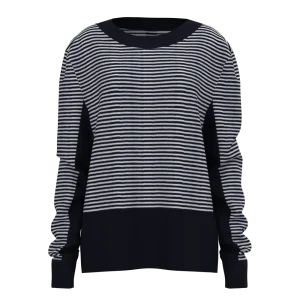
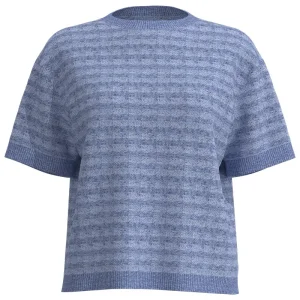
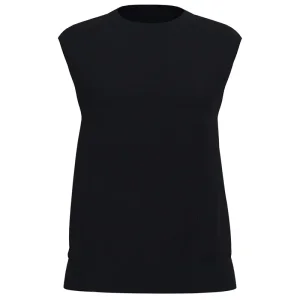
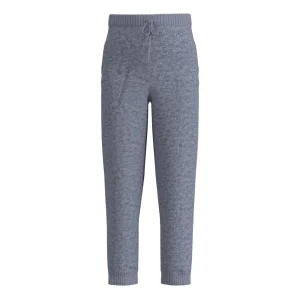
In the contemporary luxury fashion sector, sustainable material procurement is no longer a peripheral strategy; it is the cornerstone of brand valuation and ESG compliance. Historically, virgin cashmere (harvested from the undercoat of the Capra hircus goat) has epitomized indulgence and thermal performance. However, traditional farming models have triggered intensive overgrazing in vulnerable ecosystems across Inner Mongolia and Central Asia. This ecological imbalance has driven global demand for high-caliber recycled cashmere. By repurposing post-industrial cutting scraps and post-consumer knitwear, the industry reduces environmental degradation while preserving the soft tactile characteristics and high-performance insulation properties that define premium luxury.
According to global textile LCA (Life Cycle Assessment) metrics, mechanical processing of recycled cashmere reduces carbon dioxide emissions by roughly 80% and water footprint by up to 90% compared to virgin cashmere manufacturing. Leading international design houses and contemporary labels are integrating recycled cashmere blends to hit carbon reduction targets and secure regulatory conformance with the upcoming EU Digital Product Passport (DPP) standards. This shift requires deep collaboration with specialized manufacturers capable of balancing fiber length conservation with circular raw materials.
“True circular economy in luxury textiles hinges on mechanical engineering precision. We do not destroy the natural properties of the fiber; we optimize its lifecycle, offering fashion brands a product that honors both heritage and planetary boundaries.”
China remains the world's most advanced hub for high-end circular knitwear manufacturing. Chinese factories have transitioned from basic CMT (Cut, Make, Trim) workshops into highly computerized vertical integration hubs. The efficiency advantage of a premier Chinese manufacturer lies in the technological ecosystem:
Advanced Chinese plants utilize spectrophotometer scanning systems along with AI-driven color classification tools. By sorting post-industrial and post-consumer feedstock with absolute chromatic accuracy, they construct customized fiber blends that bypass the need for destructive chemical re-dyeing, maintaining fiber strength.
Traditional recycling carding cycles tend to pulverize delicate cashmere hairs, rendering them short and weak. Modern China factories have redesigned their machinery to incorporate variable speed cylinders and specialized teeth configurations that untangle fibers with minimal breakage, preserving a length above 28mm.
Established Chinese mills hold Global Recycled Standard (GRS) certificates, OEKO-TEX Standard 100, and undergo periodic BSCI and Sedex compliance audits. These structures assure that the source material conforms to genuine recycled origins, and is processed without toxic chemicals.

B2B apparel buyers must implement robust quality evaluation metrics when choosing a recycled cashmere supplier in China. Because mechanical recycling inherently shortens fiber staple lengths, raw recycled cashmere yarns can exhibit higher susceptibility to pilling. To offset this physical compromise, advanced factories utilize specialized blending ratios, pairing GRS-certified post-consumer recycled fibers with long-staple virgin cashmere or fine merino wool.
When auditing factories, buyers should request comprehensive document packages. Essential verifications include Scope Certificates (SC) and Transaction Certificates (TC) issued by third-party certification bodies (e.g., Control Union). These documents guarantee tracking from feedstock source to the finished garment. Additionally, ensure the factory runs physical test facilities on-site to verify yarn count accuracy, single-end yarn strength, and color fastness.
Sourcing needs vary based on target demographic markets. Designing with recycled cashmere requires tailored technical specifications to fit distinct geographical consumer expectations:
Buyers in these territories demand GRS-certified 100% recycled sweaters with clean aesthetic appeal. Because consumer awareness is high, garments must feature durability parameters like pilling ratings of Grade 3-4, and pass eco-label testing without azo dyes or toxic softeners.
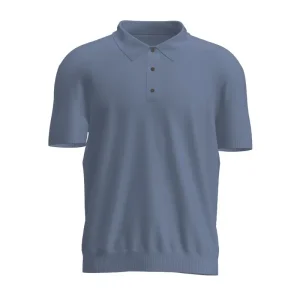
Active and travel-focused brands combine recycled cashmere with performance synthetics or plant-based fibers like Tencel. This generates premium travel shirts, moisture-wicking golf polos, and breathable base-layers that offer temperature regulation and odor control.
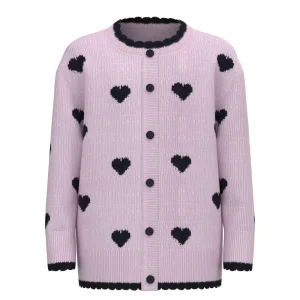
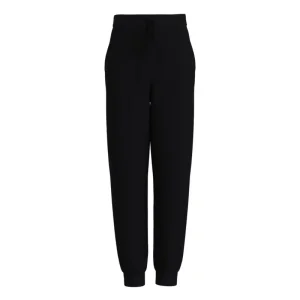
The pediatric textile space demands non-irritating fibers. Blending recycled cashmere with organic cotton yields ultra-soft, machine-washable cardigans and pants that are safe for sensitive skin, avoiding chemical treatments while ensuring durable wear cycles.
Wuxi Fuji Fashion utilizes state-of-the-art virtual modeling systems to create sample designs, reducing sampling lead times and minimizing material waste.



The recycled cashmere industry is undergoing rapid technical evolutions. Looking ahead, three main developments are reshaping global supply chains:
First, Advanced Traceability via digital identifiers is becoming standard practice. Leading manufacturers are incorporating physical DNA tracer elements into spinning lines, allowing inspectors to scan a finished sweater at retail and trace the fiber back to its original recycling sorting plant. This technology combats greenwashing and ensures reliable ESG reporting.
Second, Enzymatic Fiber Finishing is replacing heavy chemical softeners. By utilizing eco-safe bio-enzymes, factories can clean micro-fibers, polish scale edges, and mitigate pilling tendencies without reducing tensile strength. This process ensures the classic cashmere touch while keeping chemical discharge below strict environmental safety levels.
Lastly, True Closed-Loop Post-Consumer Schemes are scaling rapidly. The industry is moving beyond post-industrial waste to develop dedicated collections of discarded garments. By improving automatic optical sorting technologies, factories can sort blends at high speed, making post-consumer circularity cost-competitive with virgin fibers.
Shanghai, 2024 - SPIN EXPO, a leading force in the global textile industry, is set to dazzle once again. Discover new circular yarn launches and recycled luxury collections featured by top domestic manufacturers.
Wuxi Fuji Fashion Limited is thrilled to announce the grand celebration of its 30th anniversary. We look back at three decades of manufacturing leadership and our transition into circular designs.
As technology advances, the application of 3D technology in the knitwear industry is rapidly gaining momentum. Explore how digitalized fitting reduces physical waste and accelerates production.
Find technical answers to critical compliance, mechanical, and logistical questions regarding recycled cashmere procurement in China.
Mechanical shredding breaks up knit structures and can shorten individual fibers. While premium virgin cashmere averages 32mm to 40mm in length, recycled cashmere fibers typically average between 26mm and 30mm. To ensure appropriate yarn strength and soft tactile properties, we carefully blend this material with premium long-staple virgin fibers or fine merino wool, preserving high quality and reducing pilling.
A reputable factory should hold the Global Recycled Standard (GRS) certificate to verify the traceability of raw materials. Additionally, look for OEKO-TEX Standard 100 for chemical safety, and social responsibility standards such as BSCI, Sedex, or WRAP to ensure ethical production processes.
Yes, we can achieve custom colors without re-dyeing by sorting incoming raw knitwear by color prior to mechanical processing. This sorting method allows us to blend fibers to create precise shades, helping to bypass chemical re-dyeing, conserve water, and maintain fiber strength.
For custom recycled blends, the MOQ typically ranges from 300 to 500 pieces per style, depending on yarn composition and color specifications. In-stock colors can accommodate lower MOQs of 50 to 100 pieces per style, offering flexibility for premium and boutique labels.
We blend recycled cashmere with specialized easy-care fibers (such as machine-washable merino wool or organic cotton) and apply eco-friendly anti-felting treatments. This strengthens the yarn structure, allowing garments to maintain shape and resist pilling during standard home laundering cycles.
Discover our expanded collection of high-performance knitwear designed to meet strict global environmental regulations.
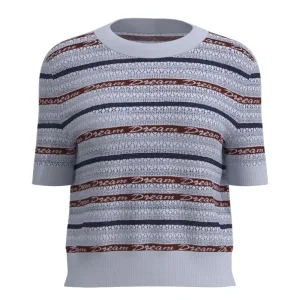
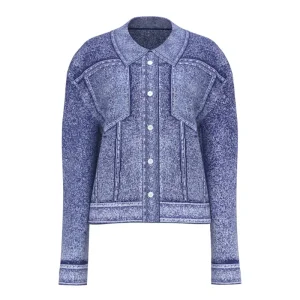
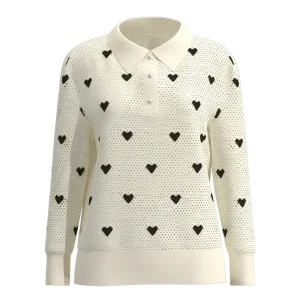
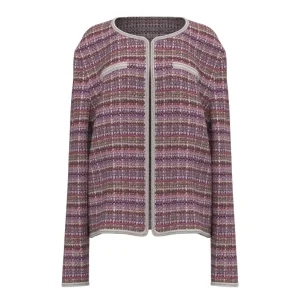
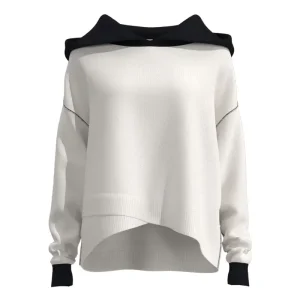
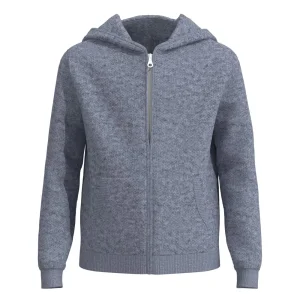
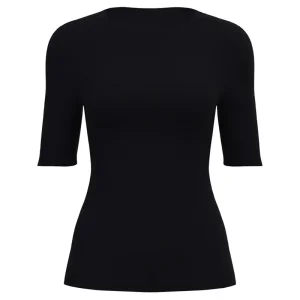
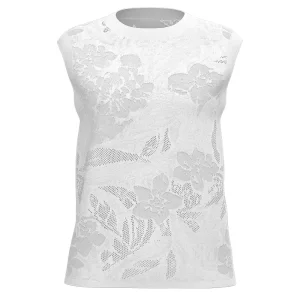
We strive to provide customers with quality products. Request technical specifications, certified physical samples & volume pricing metrics today.
 FUJI
FUJI