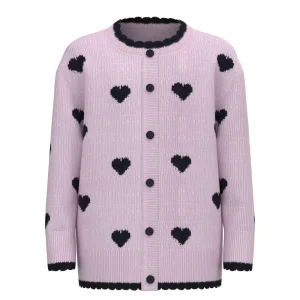
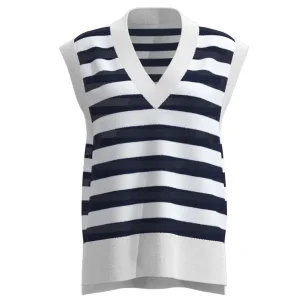
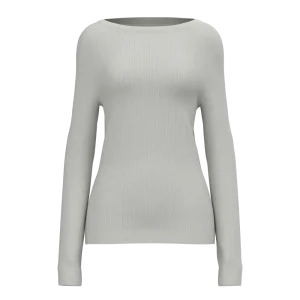
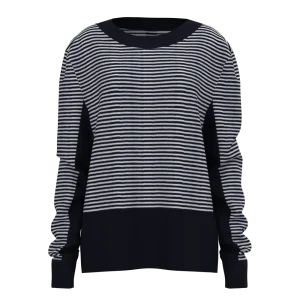
Analyzing global market shifts, ecological paradigms, and advanced manufacturing pathways in the luxury flax knitwear vertical.
In the contemporary B2B premium apparel ecosystem, the linen cardigan sweater has emerged as a cornerstone of trans-seasonal portfolios. Once classified strictly as a summer commodity, contemporary linen processing techniques have extended the fiber's operational viability across autumn and early spring. The global fashion market is experiencing a profound transition characterized by a shift from synthetic polymers to cellulose-based fibers. Premium long-staple flax sourced from the Normandy region of France and Belgium represents the upper echelon of raw material excellence, offering an unparalleled tensile strength of 6.0-7.0 grams per denier and highly efficient moisture absorption kinetics.
As premier global clothing manufacturers, we analyze how these structural physical characteristics convert into tangible commercial value. Linen fibers possess a natural lumen structure—a hollow longitudinal channel—which acts as an automatic thermoregulator. In humid and warm environments, it absorbs up to 20% of its dry weight in moisture before feeling damp, actively promoting evaporative cooling. In colder drafts, when knitted in high-density gauges, it retains ambient heat. Consequently, international buyers and premium brands are increasingly requesting diversified blends that integrate linen with GOTS-certified organic cotton, mulberry silk, and high-performance machine-washable merino wool to leverage the unique physical properties of each component.
For corporate purchasing managers operating within strict supply lines, importing linen apparel requires meticulous technical validation. Global businesses look beyond mere aesthetics; they seek factories displaying rigorous QA capabilities, high compliance standards, and chemical transparency. Contemporary procurement metrics show that high-end brands focus heavily on the following compliance indicators:
Pioneering Global Knitwear Manufacturing Since 1992
Wuxi Fuji Fashion Co., Ltd. was founded in 1992, headquartered in the Science and Technology Industrial Park alongside the scenic Tai Lake, Wuxi city, Jiangsu Province, China. For over three decades, Fuji has established itself as an authoritative leader in the knitwear manufacturing sector, working in strategic alignment with major high-end fashion brands throughout Europe, North America, and the Asia-Pacific region.
Our core competency resides in our deep understanding of yarn properties, advanced machine knitting configurations, and ecological finishes. By combining traditional craftsmanship with digitalized Factory 4.0 automation, we maintain unmatched quality assurance, fast prototyping turnarounds, and robust supply chain resilience.
Learn More About Us
Integrating intelligent automation, 3D prototyping, and lean logistics for global distribution.
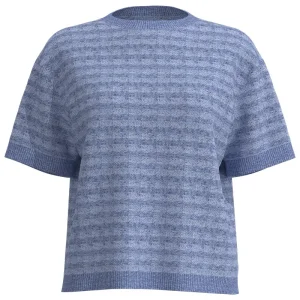
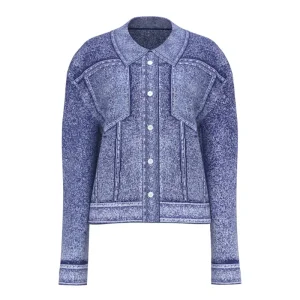
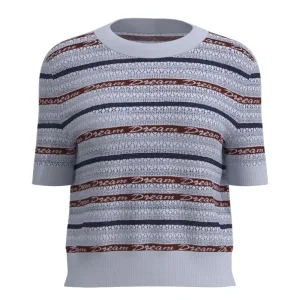
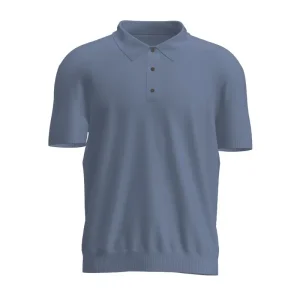
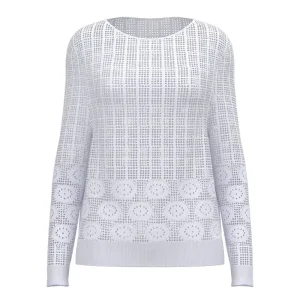
Utilizing high-end virtual garment software to model stress, drape, and stitch structures before cutting fabric. This decreases physical sample iteration cycles by up to 75% and reduces raw material waste.
Operating high-speed flat-bed knitting machines (gauges ranging from 3G, 5G, 7G up to 14G and 16G). This enables precise control of structural stitch variations like ribbing, cables, pointelle, and complex jacquards.
Strategic warehousing of dyed linen, linen-cotton, and linen-wool blend yarns to buffer against global raw material market volatility. This ensures stable unit pricing and consistent shipping lead times.
In Wuxi, our production lines are fully digitized. By syncing production management software (ERP) with yarn spinning plants and dyehouses, we maintain total visibility over the production chain. This level of oversight addresses one of the primary challenges in natural linen manufacturing: yarn tension consistency. Flax fiber has low elasticity, meaning any minor variance in machine feeding speeds can lead to drop-stitches or uneven fabric thickness. Our automated tension-feedback systems resolve this, producing uniform, high-quality garments that meet the standards of luxury international retail brands.
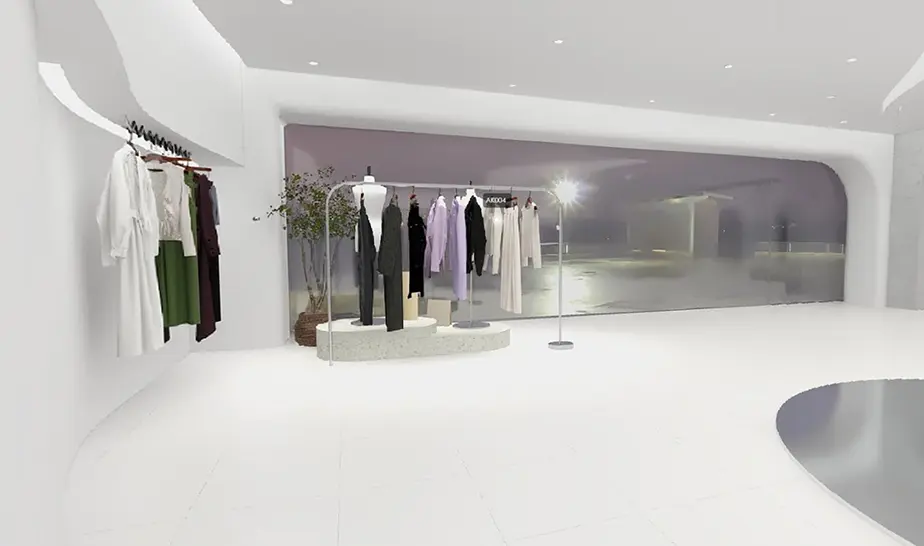
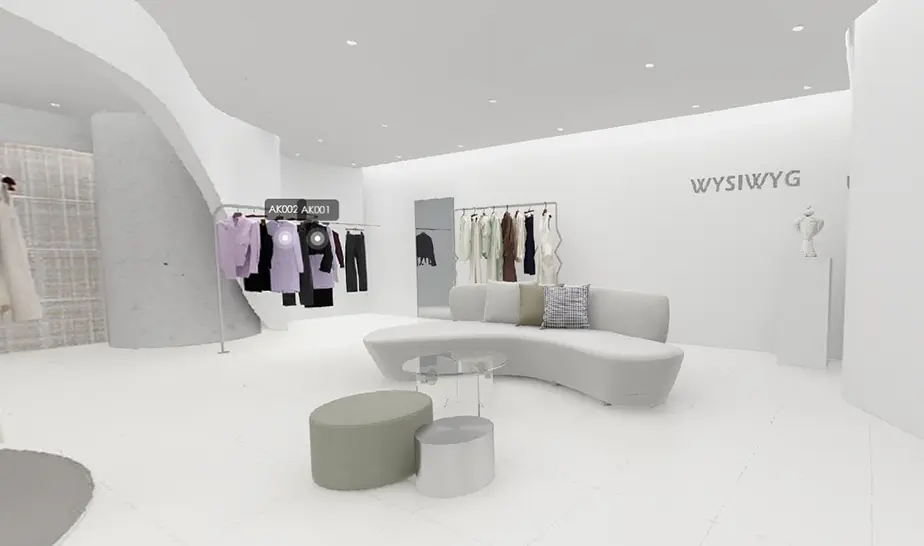
Immersive Digital Product Showroom and Factory Operations View
Aligning structural knit specifications with localized regional buyer demands and lifestyles.
To maximize product performance in target markets, our design department tailors linen yarn blends, garment structures, and weight weights to suit specific regional buyer preferences:
In the United States and Canada, corporate dress codes continue to skew casual. Our linen-cotton cardigans (55% linen, 45% organic cotton, knitted in 12GG) offer the structure required for professional settings while maintaining excellent breathability. These garments provide the clean lines of a traditional blazer combined with the comfort and stretch of a high-performance knit, making them highly sought after by corporate consumers.
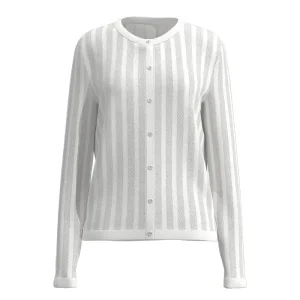
For high-end boutiques along the Mediterranean coast and in key European fashion hubs, pure, lightweight linen cardigans are a core product. We utilize 100% natural, undyed, long-staple linen yarns knitted in open-work 7GG configurations. These pieces feature drop-shoulder designs, draped open fronts, and organic horn buttons, appealing directly to consumers who value sustainability and laid-back luxury.
In Japan and South Korea, where summer humidity is high, consumers look for lightweight linen-silk blends. Combining linen with mulberry silk adds a subtle, high-end sheen and makes the fabric exceptionally soft against the skin, eliminating any natural stiffness. These cardigans are typically produced in fine 14GG and 16GG weights, fitting seamlessly into minimalist urban wardrobes.
Get answers to critical technical questions regarding yarn sourcing, factory capabilities, and ordering logistics.
Read about the latest technological advancements and sustainability initiatives in the global knitwear sector.
SPIN EXPO Shanghai remains at the forefront of the global textile industry, highlighting key innovations in sustainable fiber blends. This year, the focus centered on zero-waste manufacturing, circular economy practices, and the integration of recycled linen yarns. For high-end manufacturers, this highlights the growing demand for sustainable, high-performance apparel.
READ ARTICLE →Wuxi Fuji Fashion Co., Ltd. is proud to mark its 30th anniversary. Established in 1992, our journey has been defined by a commitment to quality, technical innovation, and strong partnerships with leading global fashion brands. Moving forward, we continue to invest in factory automation and sustainable production.
READ ARTICLE →Digital 3D technology continues to reshape modern knitwear production. By simulating stitch structures and yarn behavior virtually, we can predict draping, tension, and sizing issues before fabric is knitted. This digital-first approach shortens product development timelines and reduces prototype waste.
READ ARTICLE →Ready to optimize your product line? Get in touch for custom sample designs, material specifications, pricing sheets, and factory certificates.
 FUJI
FUJI