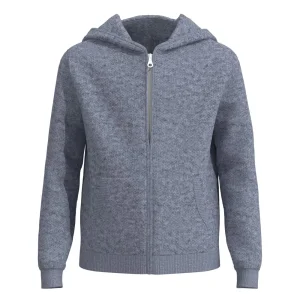
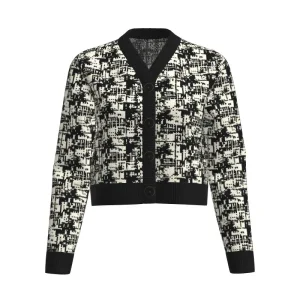
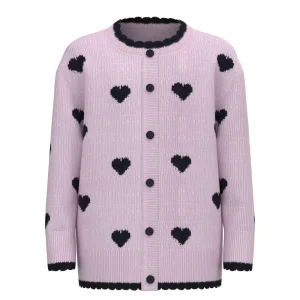
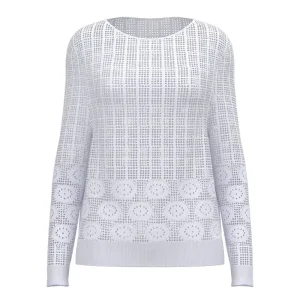
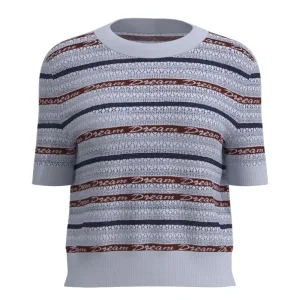
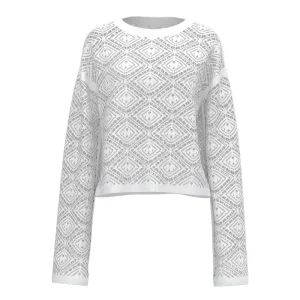
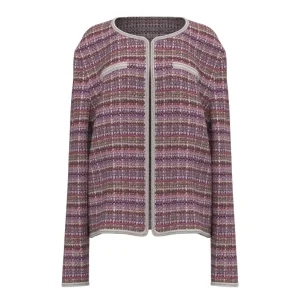
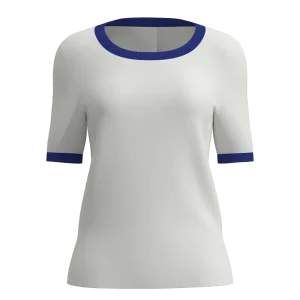
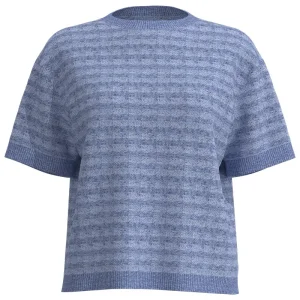
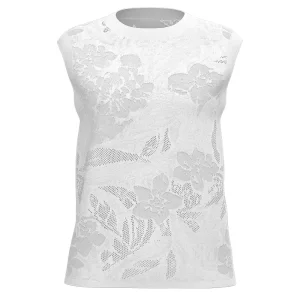
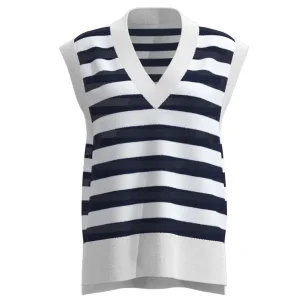
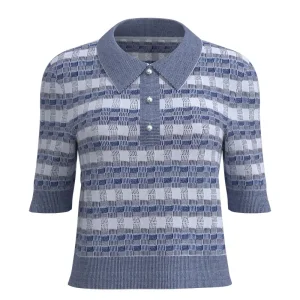
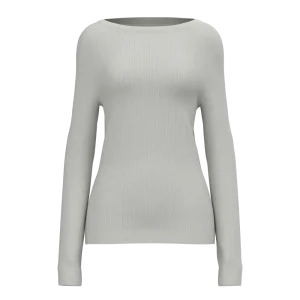
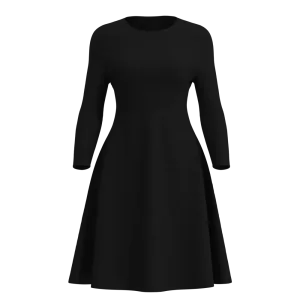
Explore our leading OEM/ODM designs engineered with precision, catering to luxury and contemporary brands worldwide.
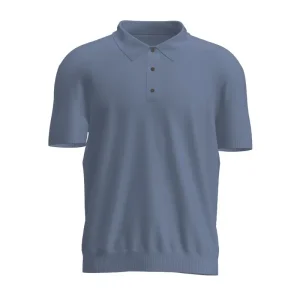
In the landscape of modern luxury fashion, the demand for high-caliber knitwear has shifted from mere aesthetic appreciation to a rigorous technical and material evaluation. The cable knit sweater—historically recognized for its rugged fisherman origins—has evolved into the absolute zenith of luxury winterwear when constructed from 100% pure cashmere. For global procurement officers, sourcers, and luxury brand managers, establishing a relationship with a premier China Cashmere Sweater Cable Knit Manufacturer & Supplier is a strategic move to optimize product margins while securing unparalleled quality.
This comprehensive B2B sourcing whitepaper details the structural dynamics, material sciences, manufacturing technologies, and macroeconomic supply chain solutions that define the execution of premium cashmere cable knitwear.
Uncompromising quality begins with raw material sourcing. True cashmere is derived from the undercoat fleece of the *Capra hircus* goat, specifically from regions experiencing extreme temperature shifts like Inner Mongolia. The physical traits of the fibers determine the durability and resistance to pilling of the final cable knit garment.
| Fiber Grade | Average Diameter (Microns) | Staple Length (mm) | Primary Application |
|---|---|---|---|
| Grade A (Premium Alashan) | 13.5 - 15.0 | 36 - 38 | Ultra-luxury fine gauge, heavy ply cabling |
| Grade B (Standard) | 15.0 - 16.5 | 32 - 35 | Mid-tier luxury sweaters, blended knitwear |
| Grade C (Low End) | > 16.5 | < 30 | Mass market knitwear, accessory products |
For intricate structures like cable knits, using Grade A cashmere ensures the yarn maintains tensile integrity under the mechanical stress of automated twisting processes. The staple length is critical: longer fibers stay anchored within the yarn core, reducing the rate of fiber migration that leads to surface fuzzing and pilling.
Cable patterns are inherently three-dimensional, requiring substantial body and definition to stand out. While flat jersey knits can work with fine single-ply yarns, a premium cable knit demands multi-ply structures. The industry standard for high-end B2B orders relies on:
Transitioning from design concept to physical garment has historically been slow and wasteful. Modern manufacturing leverages digital design systems to drastically reduce sampling cycles.
Using advanced software to simulate yarn tension, drape, and stitch depth, reducing the need for physical prototypes by 75%.
Knitted in a single three-dimensional piece, eliminating seams to improve drape, comfort, and eliminate structural weak points.
Electronic yarn feeders dynamically adjust delivery tension during cable crossings, avoiding thread breakage and tight stitches.
Implementing 3D technology allows brands to review cable scale, placement, and colorways virtually. This streamlined approach minimizes carbon footprints and aligns with global eco-friendly production expectations.
Established in 1992 and based in the Science and Technology Industrial Park alongside Scenic Tai Lake in Wuxi, Jiangsu Province, China, Fuji has grown into a leading knitwear manufacturer. With over 30 years of specialized manufacturing experience, our facilities integrate advanced technology and traditional craftsmanship to support elite global brands.
We actively participate in industry exhibitions like SPIN EXPO in Shanghai, showcasing our commitment to yarn innovation and tech-driven production solutions. Our focus on 3D technology in design has streamlined operations, making high-end OEM/ODM manufacturing efficient and reliable.


Interactive 3D workspace where clients can inspect physical drapes, stitch designs, and gauge tensions in real time.
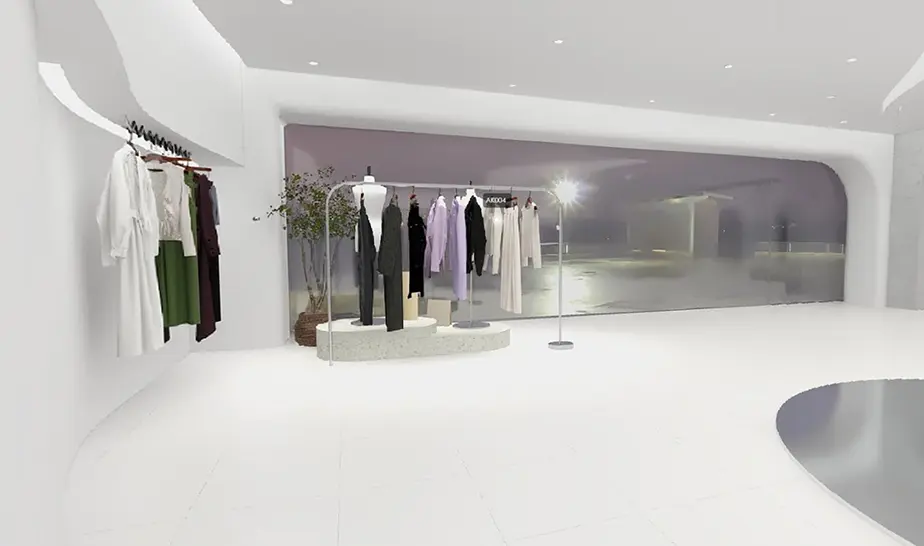
A digital vault tracking physical performance characteristics, fiber length options, and spun structures.
Automated mapping systems that convert classic sketches into CAD parameters for computer-driven looms.
The modern B2B buyer works in a complex geopolitical and financial landscape. Cashmere raw materials fluctuate based on climate cycles in Central Asia, shifting environmental rules, and dynamic logistics costs. Partnering with a vertical manufacturer mitigates these variables through strategic planning.
As cashmere is a rare fiber dependent on seasonal herd yields, prices can be unpredictable. To safeguard client budgets, we offer yarn pre-booking programs. By securing raw cashmere fibers during early shear seasons, we lock in pricing stability, protecting brands from late-season cost increases.
Consumers expect transparent supply chains. Modern brands must document their sourcing path. We align with global standards, including the Good Cashmere Standard (GCS), Responsible Wool Standard (RWS), and OEKO-TEX Standard 100. This ensures compliance from animal welfare to low-impact dyeing practices.
Intricate designs like cable knits are prone to structural variations, making thorough quality checks essential. Our multi-stage review process includes:
Clear answers to help you navigate custom designs, MOQs, and production schedules.
Looking to develop your next collection, request custom swatches, or need a competitive quote? Our development experts are ready to assist.
REQUEST A CUSTOM QUOTE NOWHighly sought-after, versatile silhouettes featuring premium construction, soft textures, and reliable durability.
 FUJI
FUJI