The global demand for luxury fibers is experiencing a structural shift. Brands are transitioning from fast-fashion volume to high-margin, sustainable, and technologically superior garments.
Consumers demand accountability. Sourcing raw cashmere now requires strict traceability back to the pasture land in Inner Mongolia and Xinjiang. Modern buyers mandate compliance with the Good Cashmere Standard (GCS) and the Responsible Wool Standard (RWS) to guarantee pasture protection and animal welfare.
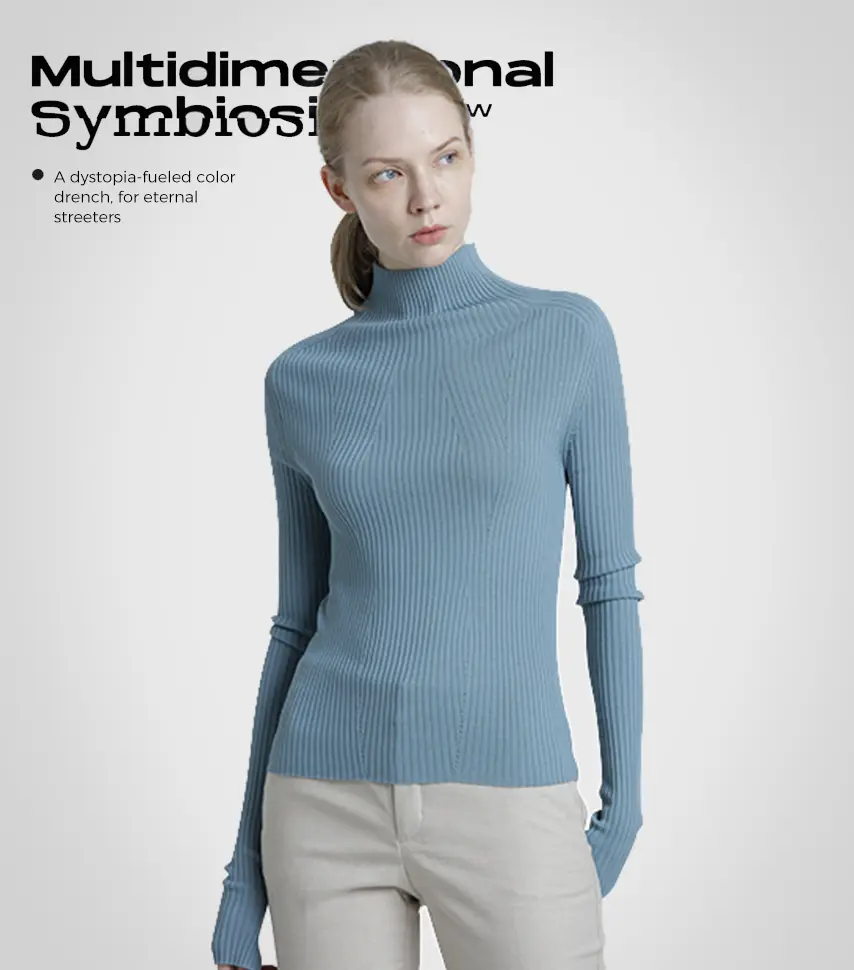
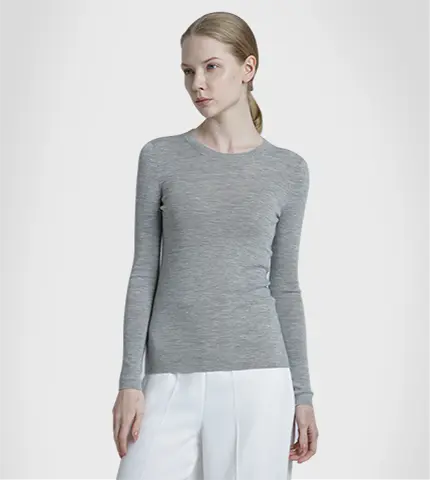
Historically, pure cashmere demanded dry cleaning. Advanced biochemical treatments, such as eco-friendly enzyme processing and polymeric fiber shielding, now allow high-end cashmere crew necks to be machine-washed on delicate cycles without losing elasticity, loft, or soft hand-feel.
WholeGarment knitting technology has changed the luxury market. By programming Stoll and Shima Seiki machines, manufacturers produce seamless crew neck jumpers that eliminate structural bulk, optimize yarn consumption, minimize cut waste to zero, and provide an anatomical fit.
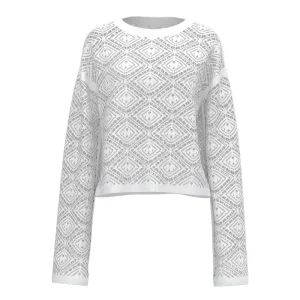
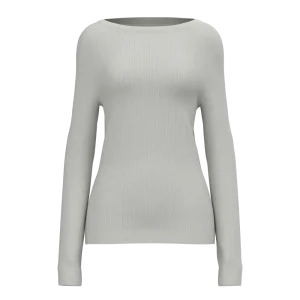
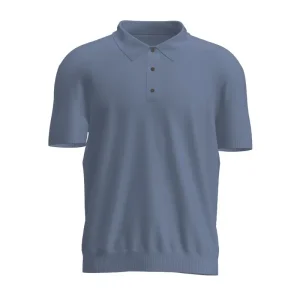
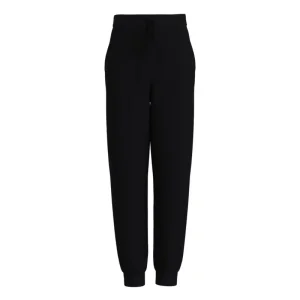
Experienced procurement officers look past superficial marketing labels. When sourcing a B2B shipment of China Cashmere Crew Neck Jumpers, several technical and chemical metrics determine the true quality grade, durability, and retail success of the product. Below is a structured blueprint outlining the exact grading criteria that separates premium grade-A cashmere from lower-tier commercial blends:
Premium cashmere must possess a fiber fineness of less than 15.5 microns (μm) and a length of 34-38 mm. Anything coarser than 16.5 microns will yield an itchy texture, while shorter fibers compromise the structural integrity of the yarn, leading to excessive pilling and shape distortion after standard wear.
The standard weight for a transitional crew neck jumper is 12GG (Gauge) or 14GG, typically knitted from 2/26 Nm or 2/28 Nm double-ply worsted or woolen yarns. Fine-gauge lightweight luxury options (16GG to 18GG) require highly spun 2/60 Nm or 2/80 Nm yarn structures for sheer strength and silk-like drape.
The fiber's natural scale structure can be degraded by aggressive chemical dyes. Top-tier suppliers utilize low-temperature reactive dyeing processes that maintain natural fiber softness while ensuring color fastness grades above 4.5. All chemical compounds must comply with REACH and OEKO-TEX Standard 100 protocols.
Established in 1992, Wuxi Fuji Fashion Co., Ltd. has developed into a premier knitwear manufacturer in China over more than three decades.
Headquartered in the Science and Technology Industrial Park alongside the scenic Tai Lake in Wuxi, Jiangsu Province, China, Fuji has specialized in exporting high-end knitwear globally. Our production lines combine traditional textile craftsmanship with advanced computerized automation, enabling us to serve luxury fashion brands across North America, Europe, and Asia.
Learn More About Our Factory Assets →
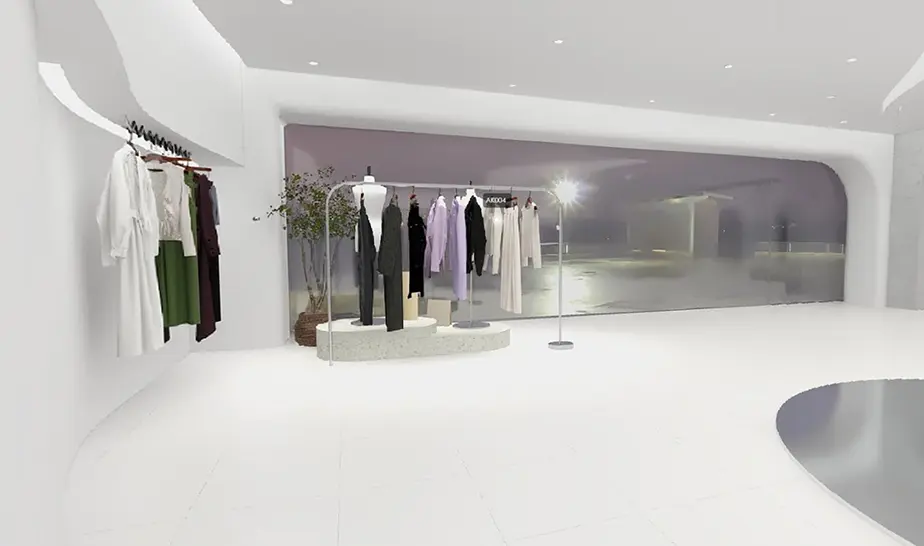
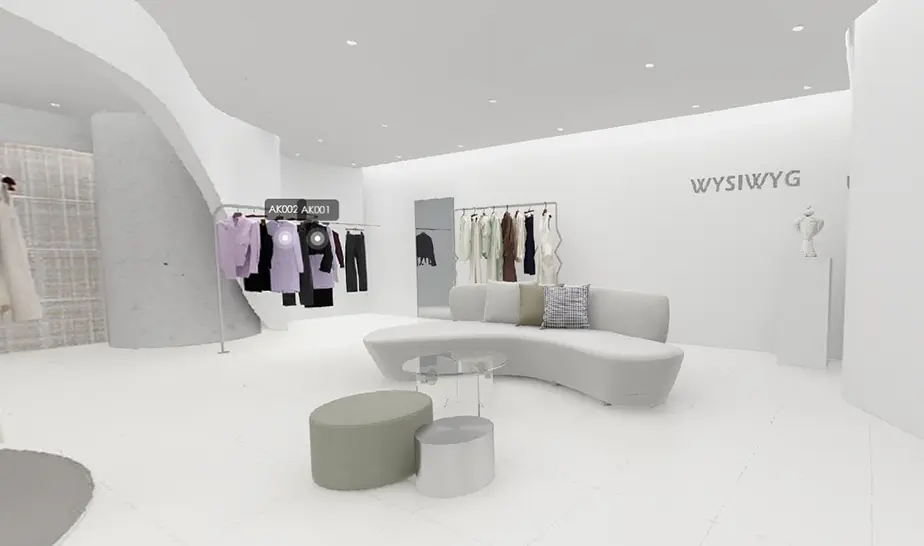
Take a virtual tour of our state-of-the-art weaving, sewing, quality inspection, and design studios. We use real-time digital replicas to optimize workflow and reduce production bottlenecks.

The global cashmere market is subject to price volatility. Wuxi Fuji Fashion stabilizes procurement costs by maintaining strategic reserves of raw fibers and securing long-term contracts with regional pasture cooperatives in Inner Mongolia. This ensures consistent pricing models for our enterprise clients.
Traditional knitwear production cycles require up to 6 months. By implementing dynamic workflow planning, automated German Stoll flat knitting systems, and integrated finishing lines, we reduce lead times to 45-60 days, enabling retail brands to capture seasonal trends.
We minimize environmental impact throughout our manufacturing pipeline. Our facility runs on recycled energy systems, employs closed-loop water treatment, and prioritizes undyed or naturally dyed fibers to reduce overall wastewater toxicity and carbon footprint.
Operating a global apparel supply chain requires meeting rigorous international compliance standards. Wuxi Fuji Fashion aligns with global trade frameworks to ensure seamless customs clearance, product safety, and social accountability.
Our facilities are fully certified under BSCI, WRAP, and Sedex (SMETA) audits. We offer structured traceability paperwork, providing detailed custody records for organic fibers and recycled yarns to meet the ESG criteria required by EU and US authorities.
Our technical development focus is centered on three main objectives:
• AI-Driven Generative Patterning: Rapid prototyping through predictive CAD systems.
• Hybrid Smart Fibers: Integrating high-performance synthetic cores with pure cashmere wraps for improved structural retention.
• Zero-Waste Production: Maximizing custom gauge whole-garment weaving techniques.
We provide comprehensive private label (ODM/OEM) options, including custom brand labels, hang tags, sustainable packaging, and specific Pantone color-matching. Our design department produces custom proto-samples within 7 to 10 working days.
Shanghai, 2024 - SPIN EXPO, a leading force in the global textile industry, is set to showcase new innovations in yarn structures and seasonal color stories...
Wuxi Fuji Fashion Limited is thrilled to celebrate its 30th anniversary, marking three decades of supplying premium knitwear to global brands...
As technology advances, the application of 3D technology in the knitwear industry is gaining momentum, significantly reducing material waste and prototyping times...
We strive to provide customers with quality products. Request technical information, custom prototype samples, and competitive quotes.
 FUJI
FUJI