China Top Mens Knitted Jumpers Wholesale Supplier

Time:2026-09-23 Author:Liam
0%

Choosing a China Top Mens Knitted Jumpers Wholesale Supplier requires more than comparing prices on a spreadsheet. Reliable sourcing depends on yarn quality, knitting skill, production control, and clear communication. Buyers should examine fabric samples, gauge consistency, seam strength, shrinkage, and color accuracy before placing bulk orders. A soft merino jumper may feel impressive in a showroom, yet perform poorly after washing if finishing standards are weak.

Simon Crompton, a respected menswear writer and tailoring expert, has said, “The best clothes are the ones you wear most.” This idea matters when evaluating Mens Jumpers Knitted for wholesale markets. A successful jumper should suit repeated wear, not only look attractive in product photographs. Practical details matter: ribbed cuffs should recover after stretching, collars should sit flat, and stitches should remain even around the armholes. Small flaws become expensive when multiplied across thousands of pieces.

Experienced Chinese manufacturers can offer flexible colors, private labeling, seasonal designs, and scalable production. However, no factory is flawless. A polished sample does not guarantee stable bulk quality. Buyers should request recent production records, inspection procedures, material information, and responsible labor documentation. Independent quality checks can also reduce avoidable surprises.

This guide introduces the key points for selecting a dependable Mens Jumpers Knitted supplier in China. It considers product development, minimum order quantities, pricing, lead times, packaging, and communication. Some decisions remain difficult. The lowest quotation may not represent the lowest total cost. Careful verification is still essential.
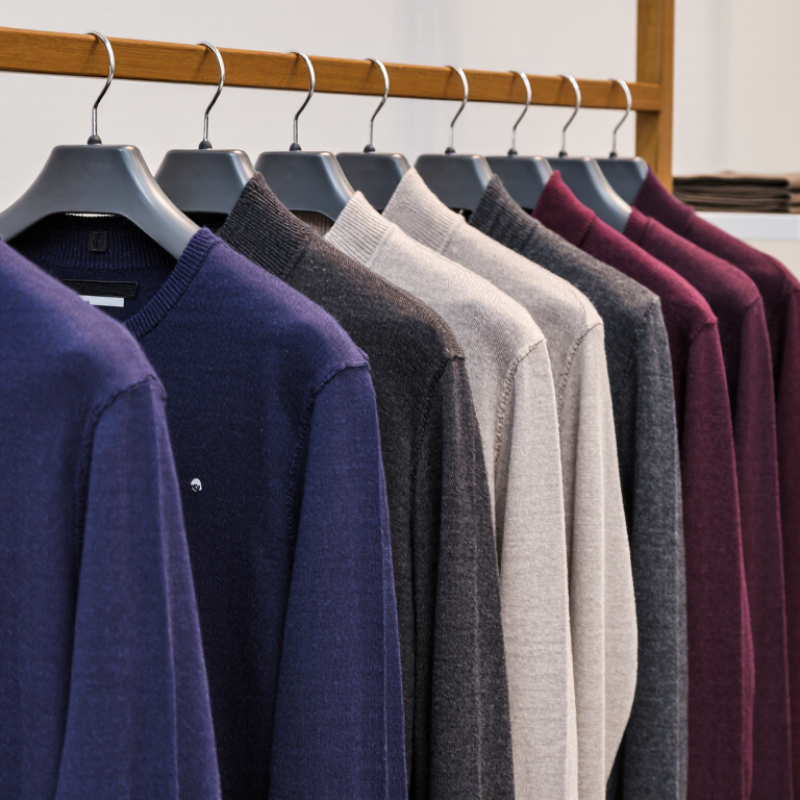
China Top Mens Knitted Jumpers Wholesale Supplier

What Are Men’s Knitted Jumpers?

A men’s knitted jumper is a soft upper-body garment made from connected loops of yarn. In some regions, “jumper” means the same as “sweater.” It usually has long sleeves, a crew neck, V-neck, or half-zip collar.

Knitted jumpers can use cotton, wool, acrylic, or blended fibers. Each material changes the garment’s warmth, softness, weight, and care needs. A fine-gauge jumper feels smooth and works well under a jacket. A chunky knit creates visible texture and offers more insulation. Ribbed cuffs and hems help the garment keep its shape, while linked seams can improve comfort around the shoulders.

For wholesale purchasing, I inspect stitch density, yarn consistency, seam strength, and measurements after washing. Small variations can appear between production batches. That is easy to overlook. A reliable supplier should provide fabric details, size charts, sample pieces, and clear quality checks. However, even a good sample may not represent every carton perfectly, so random inspections remain useful. I have learned that appearance alone is not enough; recovery after stretching often reveals a jumper’s real quality.

Tips:

Check the jumper under natural light. Look for loose loops, uneven tension, and twisting side seams. Rub the fabric gently to notice early pilling. Compare several sizes, not only the sample. Ask whether measurements are taken before or after washing. Reserve extra time for corrections when ordering custom colors or patterns.

How Are Men’s Knitted Jumpers Designed and Manufactured?

China Top Mens Knitted Jumpers Wholesale Supplier

How Are Men’s Knitted Jumpers Designed and Manufactured?

Men’s knitted jumpers begin with a clear use case, not only a fashionable sketch. Designers study climate, wearing habits, target price, and expected durability. They select wool, cotton, acrylic, or blended yarns according to warmth, softness, and care requirements. Yarn thickness determines the knitting gauge. A heavier yarn creates a substantial winter texture. Fine yarn supports lighter transitional styles.

The technical team then develops measurements, stitch structures, and color plans. They knit a small swatch before making a full sample. This reveals shrinkage, tension, hand feel, and surface appearance. Sometimes the swatch looks attractive but feels uncomfortable. That problem must be corrected early. Digital patterns improve accuracy, while experienced technicians still check sleeve balance and neckline recovery by hand.

After sample approval, computerized knitting machines produce the body panels or complete garments. Linking machines join seams with cleaner, stronger edges. Each jumper receives washing, pressing, thread trimming, and measurement checks. Inspectors examine loose stitches, uneven tension, color variation, and pilling risk. Reliable wholesale production also records yarn lots and inspection results for repeat orders. Small adjustments may be needed during bulk production. A sleeve can tighten slightly after washing, even when the sample passed inspection. Careful suppliers therefore compare production pieces with the approved sample before packing. Clear size charts, fabric details, and care labels help buyers make informed decisions.

China Top Men's Knitted Jumpers Wholesale Supplier

How Are Men’s Knitted Jumpers Designed and Manufactured?

This chart shows a typical planning schedule for producing men's knitted jumpers. The estimated working days cover design preparation, yarn approval, knitting, linking, finishing, inspection, and packing. Actual timing may vary according to order quantity, yarn type, machine capacity, customization, and quality requirements.

Which Materials and Styles Are Available for Wholesale?

A China-based mens knitted jumper supplier can offer practical material choices for different wholesale markets. Cotton jumpers feel breathable and work well for spring collections. Merino wool provides warmth without excessive weight, making it suitable for autumn and winter lines. Cashmere blends create a softer hand feel, but they usually require stricter cost control. Acrylic and recycled polyester can improve price stability and shape retention. No material is perfect.

Wholesale buyers should check yarn composition, fabric weight, pilling resistance, shrinkage, and colorfastness before placing large orders. A pre-production sample helps reveal problems that photographs cannot show. Softness can change after washing. Small details matter. Ask for test results when the order requires consistent quality across multiple colors.

Available styles include crew-neck, V-neck, polo, cardigan, cable-knit, ribbed, jacquard, and intarsia jumpers. Regular fits suit uniform retail sizing, while relaxed and oversized shapes support casual collections. Half-cardigan textures add visible depth, and fine-gauge knits create a cleaner appearance under jackets. Suppliers may also adjust cuffs, collars, hem widths, sleeve length, and seasonal colors. In my experience, buyers sometimes focus too heavily on appearance and overlook recovery after stretching. That judgment can be costly. A reliable supplier should explain the trade-offs clearly, provide accurate measurements, and confirm production details before bulk manufacturing.

China Top Mens Knitted Jumpers Wholesale Supplier - Which Materials and Styles Are Available for Wholesale?

Material Typical Wholesale Composition Main Characteristics Suitable Styles Best Use Period Wholesale Considerations
Merino Wool 100% merino wool or wool-rich blends Soft handle, breathable, naturally temperature-regulating and warm for its weight Fine-gauge crew neck, V-neck, polo knit and lightweight cardigan Autumn, winter and cool spring Higher material cost; specify micron grade, shrinkage control and washing instructions
Lambswool 100% lambswool or blended with nylon or acrylic Warm, lightweight and softer than many traditional wool yarns Ribbed crew neck, textured knit, cable knit and relaxed jumper Autumn and winter Check pilling performance, color consistency and finishing quality across production lots
Cotton 100% cotton or cotton blended with polyester or nylon Breathable, comfortable and easier to care for than wool; lower insulation Lightweight crew neck, cardigan, open-stitch knit and summer jumper Spring, summer evenings and transitional seasons Confirm fabric weight, dimensional stability and colorfastness after washing
Cashmere Blend Cashmere blended with wool, viscose or nylon Very soft hand feel, lightweight warmth and a premium appearance Fine-gauge mock neck, crew neck, V-neck and refined cardigan Autumn and winter Request fiber-composition verification; care requirements and pilling control are important
Acrylic 100% acrylic or acrylic blended with wool or cotton Lightweight, color-retentive, economical and available in many yarn effects Jacquard, intarsia, cable knit, oversized and fashion-color jumpers Autumn and winter Evaluate static, breathability, hand feel and pilling resistance before bulk approval
Polyester Blend Polyester blended with cotton, wool, acrylic or viscose Durable, dimensionally stable and suitable for easy-care knitwear Uniform knit, workwear-inspired jumper, color-block and sporty styles All seasons, depending on yarn weight and blend ratio Check moisture management, breathability, static performance and recycled-content documentation where applicable
Viscose Blend Viscose blended with nylon, polyester, cotton or wool Smooth drape, soft touch and a cool, fluid appearance Fine-gauge polo, relaxed fit, fashion cardigan and lightweight jumper Spring, summer and transitional seasons Test wet strength, stretching, shrinkage and colorfastness during quality inspection
Alpaca Blend Alpaca blended with wool, acrylic or polyamide Warm, lightweight and naturally soft with a distinctive fuzzy surface Brushed jumper, oversized knit, turtleneck and textured sweater Late autumn and winter Define acceptable hairiness, shedding, pilling level and blend percentage in the specification
Recycled Fiber Blend Recycled polyester, recycled cotton or recycled wool blended with virgin fibers Supports material-traceability goals while offering varied performance by fiber type Basic crew neck, color-block, textured knit and sustainable collection styles All seasons, based on fiber and garment weight Request recognized certification or transaction records when sustainability claims are required

Wholesale specifications should confirm yarn composition, knit gauge, garment weight, size range, color standards, shrinkage tolerance, pilling performance and care-label requirements before bulk production.

How to Evaluate a China-Based Wholesale Supplier?

China Top Mens Knitted Jumpers Wholesale Supplier

How to Evaluate a China-Based Wholesale Supplier?

A reliable supplier should show more than attractive product photos. Ask for factory details, production capacity, and recent quality records. Confirm whether the company manufactures garments or works through another facility. This difference affects communication, pricing, and accountability. Request a sample before discussing large quantities. Examine stitch density, yarn composition, collar recovery, and seam finishing. Wash the jumper several times. Check shrinkage, colorfastness, and pilling under ordinary use. Small flaws often appear after washing.

Ask for a clear quotation with minimum order quantities, lead times, packaging details, and payment terms. A professional supplier should explain these points without avoiding difficult questions. Request relevant testing documents for fiber content and product safety. Verify that the documents match the actual production materials. A certificate alone is not proof of consistent quality. The details matter.

Communication is another practical test. Send a measurement chart and ask the supplier to identify possible fitting risks. Their response reveals technical knowledge. Keep approved samples, specifications, and inspection standards in writing. Independent pre-shipment inspection can reduce unpleasant surprises. However, inspection cannot repair weak production planning. Delays may still happen during peak seasons. That possibility should be discussed honestly. A polished website proves little. Consistent records, transparent answers, and repeatable workmanship deserve more trust. Forecasting was once treated as optional; that approach often creates avoidable pressure.

What Are the Key Steps in Wholesale Purchasing?

Wholesale purchasing of men’s knitted jumpers starts with a measurable product brief.

Define fiber content, gauge, weight, colors, sizes, target price, and delivery window. A vague request creates avoidable revisions. For a China-based supplier, review factory audits, sample history, machinery lists, and quality procedures. Ask for production photos, but verify them independently.

The 2024 Textile Exchange Materials Market Report recorded 124 million tonnes of global fiber production in 2023. This scale makes material traceability more important, not less.

Request a development sample before negotiating bulk quantities. Check stitch density, hand feel, shrinkage, pilling, colorfastness, and seam recovery. Wash the jumper as a customer would. Record measurements before and after washing.

Compare three written quotations using identical specifications. Include yarn composition, packaging, inspection points, payment milestones, and late-delivery remedies. McKinsey’s State of Fashion 2024 reported subdued fashion growth expectations, making excess inventory a serious concern.

I would begin with a controlled order, even when the unit price looks attractive. My earlier mistake was trusting price before calculating rework and freight.

Tips:

Keep one approved sample with signed measurements. Use independent inspection before shipment. Request test reports for restricted substances and color performance. Confirm carton markings and spare-garment policies in writing. Leave time for one failed sample. It happens. Recheck landed cost after transport, inspection, duties, and currency movement. A supplier may quote quickly, yet dependable purchasing depends on evidence and realistic lead times.

FAQS

What is a men’s knitted jumper?

It is a soft upper-body garment made from connected yarn loops. It usually has long sleeves. Common necklines include crew, V-neck, and half-zip styles. The term may also mean “sweater” in some regions.

Which materials are commonly used in knitted jumpers?

Common options include cotton, wool, acrylic, and blended fibers. Wool provides warmth but needs careful washing. Cotton feels breathable and comfortable in mild weather. Acrylic is often lighter and easier to maintain. Blends balance several properties, though not perfectly.

How do knit structures affect jumper performance?

Fine-gauge knits feel smooth and layer easily under jackets. Chunky knits create visible texture and stronger insulation. Ribbed cuffs help sleeves recover their shape. Dense stitches can improve warmth and durability. A beautiful texture can still feel uncomfortable.

How are knitted jumpers developed before bulk production?

Designers study climate, wearing habits, price, and expected durability. They select yarn thickness and stitch structures for the intended use. A small swatch is knitted before a complete sample. This test can reveal shrinkage, tension, and surface problems. Swatches sometimes look better than they feel.

What should buyers inspect in a jumper sample?

Check stitch density, yarn consistency, seam strength, and measurements. Look under natural light. Watch for loose loops and uneven tension. Inspect twisting side seams and collar recovery. Rub the fabric gently to detect early pilling. Appearance alone is not enough.

Why should samples be washed before wholesale approval?

Washing may reveal shrinkage, color changes, pilling, or tighter sleeves. Ask whether measurements were taken before or after washing. Compare the washed jumper with the original sample. Test several sizes, not only one piece. One successful sample cannot represent every carton.

What information should a wholesale supplier provide?

Request fabric composition, size charts, sample pieces, and care details. A quotation should include minimum quantities, lead times, packaging, and payment terms. Ask for production capacity and recent quality records. Clear answers matter. A polished website proves little.

How can buyers reduce quality and delivery risks?

Keep approved samples, measurements, and inspection standards in writing. Request records for yarn lots and production checks. Consider independent pre-shipment inspection. Discuss peak-season delays before placing an order. Inspection cannot fix weak production planning. I may still miss small issues.

Conclusion

Men’s knitted jumpers are versatile garments made by interlocking yarn into warm, flexible fabrics for everyday wear, workwear, and seasonal collections. Their design and manufacturing typically involve selecting a suitable knit structure, developing patterns and sizes, producing samples, and completing knitting, linking, finishing, inspection, and packaging. Wholesale buyers can choose from materials such as cotton, wool, acrylic, viscose, or blended yarns, along with styles including crew neck, V-neck, mock neck, cardigans, textured knits, and lightweight or heavyweight options. Mens Jumpers Knitted collections can also be customized by color, pattern, measurements, labeling, and packaging.

When evaluating a China-based wholesale supplier, buyers should review product quality, production capacity, communication, customization support, lead times, pricing transparency, and quality-control procedures. The purchasing process generally includes defining specifications, requesting quotations and samples, confirming details, placing an order, approving production, arranging inspection, and organizing shipment. Clear agreements and consistent communication help create a reliable wholesale partnership.


Liam

Liam

Liam is a dedicated marketing professional with a profound expertise in the industry, where he excels at highlighting the unique advantages of our core products. With a keen understanding of market trends and consumer needs, Liam frequently updates our company’s professional blog, providing......