What Are the Top Cable Knit Cardigan Trends for 2026?

Time:2026-09-28 Author:Amelia
0%

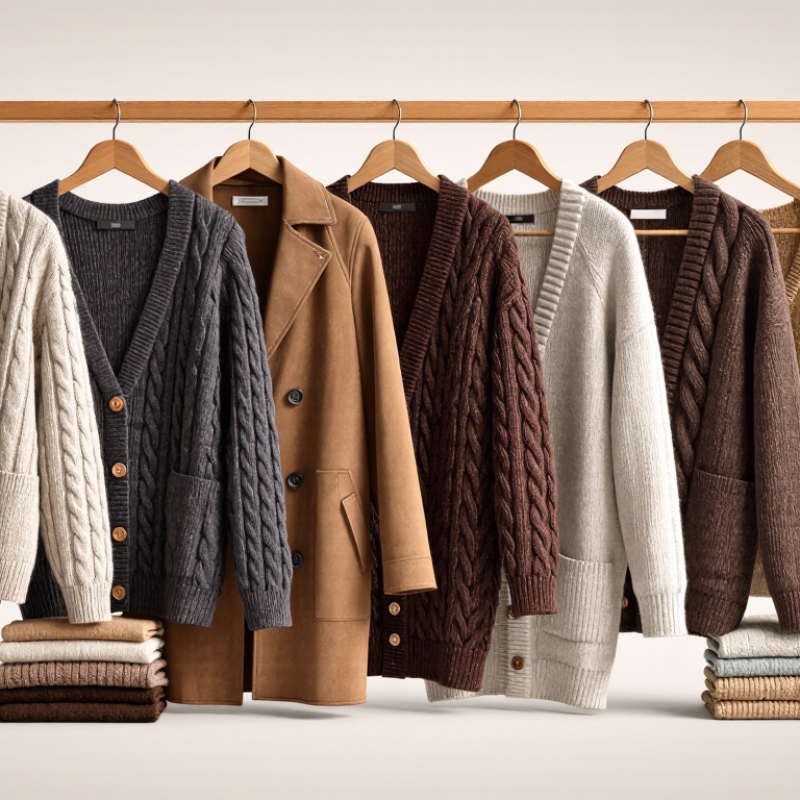
The 2026 Cable Knit Cardigan story is about more than a familiar winter layer. It is about texture, proportion, and how a heritage stitch fits modern wardrobes. Expect cropped shapes beside relaxed, longer cuts; softly oversized sleeves; and natural shades such as oatmeal, charcoal, and deep brown. Some designs may use bold color or contrasting buttons. Small details matter. A chunky cable can feel substantial, while a finer knit slips more easily beneath a coat.

One note on sourcing: no verified expert quotation or article source was provided, so I won’t present an invented statement as fact. For a publishable version, a knitwear designer or textile specialist could address the central question: “Which details make a cable knit feel current without losing its character?” That answer should consider yarn weight, stitch definition, fit, and the cardigan’s actual use. A beautiful sample on a runway may behave differently in daily wear. It may pull at the shoulders, feel warm indoors, or lose its shape after repeated use. Those practical limits deserve attention.

This guide will examine the leading Cable Knit Cardigan trends for 2026, from silhouette and color to texture and styling. It will also separate lasting design choices from details that may date quickly. Trends are useful clues, not rules. The best cardigan is the one that feels comfortable, holds its shape, and works with clothes already in your wardrobe.
What Are the Top Cable Knit Cardigan Trends for 2026?

Key Silhouettes Shaping Cable Knit Cardigans in 2026

For 2026, cable-knit cardigans are taking shape in three practical silhouettes: the cropped boxy layer, the relaxed longline, and the close-fitting cardigan with a defined waist. A cropped cut sits neatly over high-rise trousers, while dropped shoulders and roomy sleeves give a longline style an easy, lived-in look. The waist-shaped option feels sharper, especially with a buttoned neckline and fine-gauge cables. Small details matter. Deep ribs, sturdy buttons, and cables that remain visible at the cuffs make these shapes feel considered rather than costume-like.

Material choices will influence how each silhouette wears. Textile Exchange’s 2024 Materials Market Report estimates global fiber production reached 124 million tonnes in 2023, with polyester representing 57 percent. That figure describes the wider fiber market, not cardigan demand, but it underscores why fiber content deserves a close look. Wool-rich yarns can give a cardigan warmth and spring; cotton blends often feel less insulating and may drape differently. In fittings, bulky yarn can overwhelm a cropped shape, while a longline piece may stretch under its own weight. Not every cable needs to be chunky. A little restraint helps. Fashion forecasts are uncertain, too, and fit preferences will vary by climate and wearer.

Cable Patterns and Textures Gaining Attention

In 2026, cable-knit cardigans are moving beyond the familiar rope-like braid. Knitters are exploring greater variety in stitch scale, spacing, and texture. Wide cables make a bold feature across the front, while narrow twists can trace sleeves or side panels. The effect feels tactile. In daylight, raised ridges catch small shadows; beneath a coat, they may add bulk, so proportion matters.

Mixed cable layouts are gaining attention, especially broad braids paired with smaller diamonds, ladders, or honeycomb stitches. These combinations create a hand-worked look without relying on color. Texture can become busy. A more restrained design pairs one prominent cable with a smoother knit, allowing the pattern to read clearly from a few steps away. Check the shoulders and cuffs, where movement and friction may gradually soften raised details.

Yarn choice changes the whole impression. Brushed fibers make cables look hazy and relaxed, while firmer yarns keep each crossing crisp. Neither finish is automatically better; comfort at the neck and freedom of movement matter too. Oversized cables can feel awkward beneath a narrow jacket. Worn open over a plain shirt, though, they let texture take the lead.

What Are the Top Cable-Knit Cardigan Trends for 2026?

Cable Patterns and Textures Gaining Attention

Traditional rope cables and mixed cable panels lead this editorial outlook, alongside chunky textures, Aran-inspired motifs, and finer-gauge cables. Scores are qualitative ratings on a 1–5 scale, not survey results or market-share data.

Color Palettes Defining 2026 Cardigan Trends

For 2026, cable knit cardigans are moving beyond predictable winter neutrals. Warm oat, mushroom, and soft caramel make the raised stitches look especially dimensional. These shades pair easily with denim, but they can feel flat without contrast. Add a crisp white shirt or a darker brown belt.

Muted mineral blue and moss green offer quieter color without losing versatility. Deep berry and oxblood bring more drama, especially on chunky knits with large buttons. Soft, not sugary. The best shade depends on the yarn: a fuzzy wool blend can make color appear hazier, while smooth cotton keeps it clearer. Not every trend color suits every complexion, and that is worth remembering.

Tips: Compare a cardigan with your usual trousers in natural daylight before choosing. Check the shoulder seams and button spacing; both affect how the knit hangs. If you want one piece for frequent wear, choose a color already present in your wardrobe. A small mismatch between screen color and real fabric is common, so online photos are only a guide.

Materials and Construction Behind Modern Cable Knits

For 2026, cable-knit cardigans are being shaped as much by yarn choices and stitch engineering as by silhouette. Textile Exchange’s Materials Market Report 2024 estimates that global fiber production reached 124 million tonnes in 2023, with polyester making up 57 percent. That scale makes fiber selection worth examining, even for a small garment category. A softer blend can improve drape, but it may soften the sharp relief that gives a cable its character.

The International Wool Textile Organisation notes that wool accounts for less than 1 percent of global fiber production. For a cardigan, wool’s natural spring can help raised cables hold their shape, while a compact twist gives stitches clearer edges. Recycled or blended fibers may change warmth, weight, and surface feel. Check the fabric, not just the fiber label. A cable that looks sculptural on a product page can feel flat when its yarn is loosely spun.

Construction details matter. Tighter gauge knitting can create crisp, durable ropes, though it may feel stiff at the elbows. Looser stitches add softness and movement, but snag more easily on bag hardware. Look for stable ribbing at cuffs and hems, and inspect where cable panels meet the side seams. Small details matter. I would not assume every recycled blend performs equally; fiber content alone cannot reveal yarn quality, finishing, or how a cardigan will age.

What Are the Top Cable Knit Cardigan Trends for 2026? — Materials and Construction Behind Modern Cable Knits

Trend Direction Material Choice Construction Details Why It Works Design Considerations
Soft, lightweight cables Fine-gauge merino wool or a merino-rich blend Smaller cable motifs worked at a finer gauge, with ribbed edges for recovery Fine merino fibers are commonly used for soft, insulating knitwear; a lighter fabric is easier to layer than a bulky cable knit. Check that the finished fabric is not too open or prone to stretching. Care instructions should reflect the fiber content.
Relaxed, textured heritage styles Wool or wool blends Prominent rope, honeycomb, or panel cables combined with ribbed sections Cable stitches create raised texture and can add visual depth to a garment. Wool is naturally insulating and resilient when properly cared for. Large cables use more yarn and can make a cardigan heavier. Consider the garment weight, ease, and intended layering use.
Breathable warm-weather interpretations Cotton or cotton blended with wool Open-knit panels or narrower cables, balanced with stable ribbing at cuffs and hems Cotton is breathable and absorbs moisture, making it a useful option for lighter knitwear. Wool in a blend can add warmth and elasticity. Cotton has less natural spring than wool and may grow with wear. Construction and garment-care testing help manage shape retention.
Lower-impact fiber blends Recycled wool or recycled cotton, where verified and available Blended yarns selected to meet the required strength, softness, and stitch definition Recycled fibers can make use of recovered textile material. Their performance depends on fiber quality, yarn engineering, and blend composition. Request clear material information and verify relevant claims. Recycled content alone does not determine durability or environmental impact.
Clean, contemporary cable layouts Wool, cotton, or blended yarn chosen for crisp stitch definition One or two cable panels placed against a plain-knit ground rather than covering the entire garment Contrast between textured cables and smooth fabric makes the stitch pattern easy to see while keeping the overall look less dense. Keep cable placement balanced across the front panels. Swatching helps confirm how the pattern sits around buttons and openings.
Relaxed silhouettes with practical structure Medium-weight wool or wool-blend yarn Roomier body, set-in or dropped shoulders, and firm ribbed cuffs and hem A relaxed shape supports layering, while ribbing helps the edges sit close to the body and can reduce unwanted flare. Extra ease and heavy cables can add bulk. Review finished measurements and test the garment after washing or care treatment.
Mixed-scale texture Yarn with enough twist and definition to show both raised and recessed stitches Alternating narrow ropes, wider cables, ribbing, and small textured panels Changing cable width creates visual rhythm without requiring a different fiber or complicated colorwork. Keep the stitch repeat consistent with the garment panels; cable crossings can draw in the fabric and affect width.

2026 outlook: These are design directions based on established knitwear materials and construction methods, not a guarantee of market-wide adoption. Fiber performance varies by yarn specification, blend, gauge, finishing, and care.

How to Style Cable Knit Cardigans in 2026

In 2026, style a cable-knit cardigan as a visible layer rather than a bulky afterthought. Its raised stitches bring plenty of texture, so pair it with smoother pieces: straight-leg jeans, a fine cotton tee, or a fluid midi skirt. Leave it open over a fitted top, or fasten only the middle buttons to define the shape. Keep it relaxed. A roomy fit feels easy, but sleeves that cover your hands can get in the way.

Try tonal dressing for a clean, modern look: an oatmeal cardigan with cream trousers, or a charcoal knit over a grey T-shirt. Add contrast through shape instead of more pattern. A cropped cardigan sits neatly with high-waisted trousers, while a longer one works well over a simple column dress. Finish with loafers or low-profile boots, depending on the weather. Small details count.

For casual days, wear the cardigan with dark denim and a plain tee, then push the cuffs back to show a watch or a slim sleeve. I’m not convinced every oversized knit needs a belt; it can bunch the fabric and feel fussy. If the outfit looks heavy, swap one thick layer for a lighter shirt. Check the cardigan’s care label before washing, since stretched cables rarely spring back perfectly.

FAQS

Which colors are shaping 2026 cable-knit cardigan trends?

Warm oat, mushroom, and soft caramel highlight raised stitches. Mineral blue and moss green offer quieter options. Deep berry and oxblood feel more dramatic.

How can I keep neutral cardigans from looking flat?

Add contrast with a crisp white shirt or a darker brown belt. Denim also pairs easily with warm shades. Small details help.

How should I choose a cardigan color?

Compare it with trousers you already wear, preferably in natural daylight. Screen colors can differ from real fabric. That mismatch is common.

Does yarn affect how a cardigan’s color looks?

Yes. Fuzzy wool blends can make shades appear hazier, while smooth cotton keeps them clearer. The same color may look quite different.

What makes cable-knit stitches look defined?

Wool’s natural spring can help raised cables hold their shape. A compact yarn twist can make stitch edges look sharper. Not every blend behaves alike.

What should I check in a cardigan’s construction?

Look at the shoulder seams, button spacing, and ribbing at the cuffs and hem. Also inspect where cable panels meet the side seams.

Are tighter or looser knits better?

Tighter knitting can create crisp, durable cables, but may feel stiff at the elbows. Looser stitches feel softer and move more, yet can snag on bag hardware. A trade-off.

Can a recycled-fiber blend guarantee good quality?

No. Fiber content alone does not show yarn quality, finishing, or how the cardigan will age. Check the fabric itself, not just its label.

Conclusion

In 2026, the Cable Knit Cardigan is evolving through relaxed proportions, cropped shapes, and longer, softly structured silhouettes. Traditional twists and ropes remain popular, while mixed cable patterns and varied stitch textures bring fresh depth to familiar designs. The result is a balance between heritage-inspired detail and an easy, contemporary feel.

Color choices range from soft neutrals and warm earth tones to muted seasonal shades that add subtle personality. Modern materials and thoughtful construction can make these cardigans lighter, more comfortable, and easier to layer. For everyday styling, pair a textured cardigan with simple trousers or denim; for a more polished look, wear it over a streamlined top with tailored pieces. These trends make the Cable Knit Cardigan a versatile wardrobe layer for different occasions and personal styles.


Amelia

Amelia

Amelia is a seasoned marketing professional with a wealth of expertise in our company’s core offerings. With an unwavering passion for driving growth and innovation, she plays a pivotal role in shaping our marketing strategies and enhancing brand visibility. A key aspect of her responsibilities......