10 Tips for Sourcing Mens Knitted Jumpers

Time:2026-09-08 Author:Aria
0%

Sourcing a reliable Mens Knitted Jumper is not simply a search for attractive colours and low prices. It requires careful judgement at every stage, from yarn selection to final packing. A soft jumper may feel impressive in a showroom, yet pill after three wears. A beautiful sample may also shrink after washing. Small details matter.

Simon Crompton, founder of Permanent Style, has said, “Fit is the most important part of any garment.” That principle applies strongly to knitted jumpers. Buyers should check shoulder width, sleeve length, body balance, and how the ribbing recovers after stretching. A flattering fit can make ordinary yarn look refined. Poor proportions can weaken even premium materials.

This guide explores ten practical tips for sourcing a Mens Knitted Jumper with greater confidence. It considers fibre composition, knitting gauge, handfeel, colour consistency, pilling resistance, shrinkage testing, and factory communication. It also examines minimum order quantities, sample approval, production timelines, and responsible supply-chain checks. These points support better decisions without relying on appearance alone.

Look closely.

A dependable supplier should provide clear specifications and repeatable quality. Ask for test reports where appropriate, but do not treat paperwork as proof of everything. Physical inspection still matters. Touch the cuff. Measure the body. Wash the sample. Record the result.

No sourcing process is perfect. Even experienced buyers can overlook a weak seam or unrealistic delivery promise. That is why careful questions, written standards, and honest review remain essential before committing to bulk production.
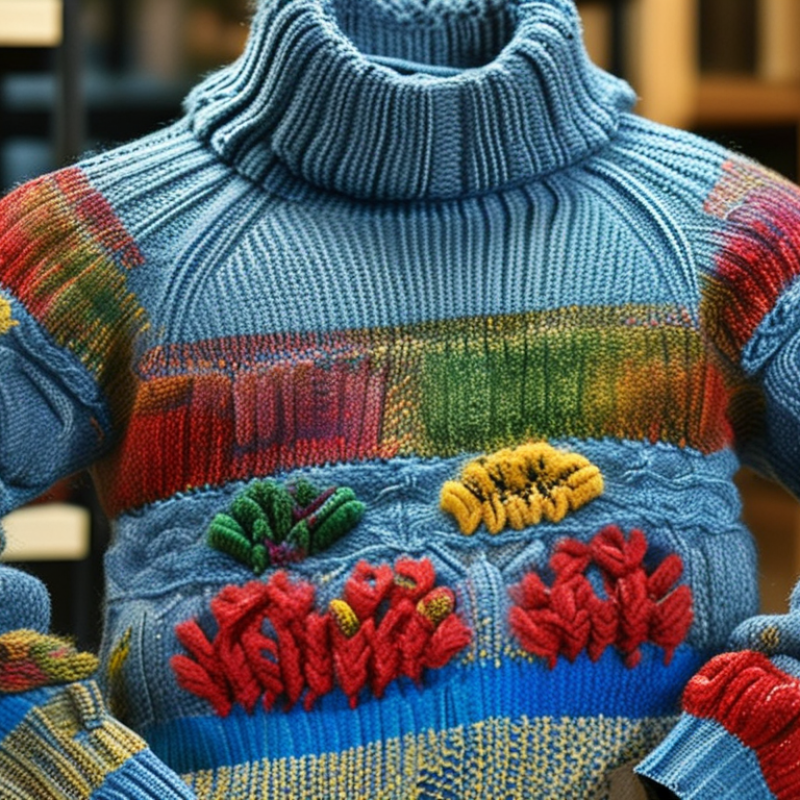
10 Tips for Sourcing Mens Knitted Jumpers

Defining Product Requirements for Men’s Knitted Jumpers

Before contacting suppliers, define the jumper as a measurable product, not a vague fashion idea. Record the target wearer, climate, use, and expected retail position. A commuter needs warmth without excessive weight. A weekend style may accept a looser shape. Specify yarn composition, gauge, stitch structure, and finish in one requirement sheet. For example, a 12-gauge wool blend can feel lighter than a dense 7-gauge knit. That assumption needs testing.

Set chest, body, sleeve, shoulder, and hem measurements in centimeters. Add tolerances, because a perfect sample is not a production guarantee. Request a graded size chart for every planned size. Check rib recovery, seam strength, pilling resistance, color fastness, and shrinkage after washing. Wash samples according to the intended care instructions, then compare measurements before and after. Small details matter. A collar that stretches too easily can make an otherwise strong jumper look unfinished.

Define acceptable softness, weight, drape, and surface appearance with physical swatches or clear photographs. Ask suppliers to confirm the fiber percentages and provide relevant test reports. Keep an approved sample for comparison during production inspections. My earlier mistake was judging quality only by touch; lighting and finishing can hide weak construction. Wear-test the jumper with a shirt underneath and move through a normal day. Note heat, irritation, sleeve movement, and fabric recovery. Leave room to revise the specification when real use exposes a problem.

Evaluating Yarn, Fabric Quality, and Construction Standards

When sourcing men's knitted jumpers, begin by checking the yarn rather than trusting a soft first impression. Merino, cotton, acrylic, and blended fibers behave differently after washing and repeated wear. Ask suppliers for fiber composition records, yarn count, twist, and test results for pilling and colorfastness. A useful sample should feel even, with no brittle fibers or sudden changes in thickness. Rub the cuff lightly between your fingers. Loose fuzz may signal weak spinning or excessive brushing. We have learned that a luxurious hand feel can hide poor recovery, so stretch the hem and measure its return.

Fabric quality depends on more than fiber content. Inspect the knitted surface under direct light for dropped stitches, laddering, holes, and uneven tension. Compare the sample's weight and dimensions with the approved specification after washing. This step catches surprises. Request dimensional stability, spirality, seam strength, and abrasion testing from a competent laboratory. Different markets may apply different standards, so written test methods and tolerances should accompany every report. Do not accept vague claims such as “premium quality.” They are difficult to audit.

Construction standards deserve equal attention. Check whether shoulder seams are reinforced, neck ribs recover cleanly, and sleeve joins align without puckering. Examine stitch density across the body, because sparse knitting can become transparent or misshapen. Turn the jumper inside out. That reveals workmanship. Confirm washing instructions, inspection checkpoints, and carton protection before approving bulk production. Reliable sourcing requires traceable records, not verbal reassurance. Keep sealed samples from each production lot for comparison; even careful sourcing can miss a small inconsistency.

10 Tips for Sourcing Men's Knitted Jumpers

Evaluating yarn, fabric quality, and construction standards

The chart presents practical quality-control benchmarks for men's knitted jumpers. Key checks include fiber composition, yarn count, fabric weight, pilling resistance, dimensional stability, colorfastness, abrasion resistance, seam strength, stitch density, and finishing inspection. Values are commonly used testing targets and should be confirmed against the buyer's product specification and applicable ISO or AATCC methods.

Finding and Comparing Reliable Jumper Suppliers

10 Tips for Sourcing Mens Knitted Jumpers

Finding and Comparing Reliable Jumper Suppliers

Reliable sourcing starts with measurable supplier evidence, not attractive catalog photos. Request factory addresses, knitting capacity, machine details, and recent production samples. Compare gauge, yarn composition, stitch density, shrinkage, and colorfastness under identical testing conditions. A soft sample can still fail after washing.

Textile Exchange’s Materials Market Report 2024 recorded 124 million tonnes of global fiber production in 2023. It projects production could reach 160 million tonnes by 2030. This pressure makes fiber traceability increasingly important. Ask suppliers for transaction certificates, recycled-content evidence, and batch-level yarn records. Do not accept vague sustainability claims. Check them.

For commercial comparison, build a simple scorecard covering defect rates, sample lead time, minimum order quantity, payment terms, and corrective-action speed. A supplier with a slightly higher price may reduce rework and late-season losses. Request inspection records and speak with two recent customers, where possible. Independent testing should confirm pilling, color migration, and dimensional stability.

My sourcing experience suggests communication quality predicts delivery reliability. Suppliers who answer technical questions clearly usually handle problems faster. Still, this is not perfect. I once trusted a polished sample and overlooked rib recovery. The first production batch stretched at the cuffs. Now I test worn samples, not only folded garments. Keep written specifications, approval dates, and tolerance limits before placing an order.

Checking Samples, Sizes, Colors, and Customization Options

When sourcing men’s knitted jumpers, I treat each sample as evidence, not decoration. Request a pre-production piece before discussing large quantities. Examine the neckline, cuffs, shoulder seams, and inner finishing under natural light. Small details matter. A loose thread may indicate weak quality control across the whole order.

Measure the sample against a written size chart, not a familiar label. Compare chest width, body length, sleeve length, and armhole depth. Knits can stretch after washing, especially when they contain softer fibers. Ask for wash-test results and record measurements before and after laundering. A few millimeters can change the fit. I once approved a sleeve that looked correct on a mannequin but felt short on a real model. That mistake was avoidable.

Color approval also needs physical evidence. Digital screens can distort muted green, cream, and charcoal tones. Request knitted color swatches and check them in daylight and indoor lighting. For customization, clarify yarn composition, stitch pattern, gauge, buttons, labels, and packaging details. Ask whether changing one element affects the minimum order or delivery schedule. Keep every approved measurement and color reference in writing. My early specifications were too general, which created unnecessary revisions. Clear documents protect both sides and make quality checks more reliable.

10 Tips for Sourcing Mens Knitted Jumpers - Checking Samples, Sizes, Colors, and Customization Options

No. Sourcing Dimension What to Check Practical Benchmark or Requirement Recommended Action
1 Sample Approval Review the approved sample for appearance, hand feel, stitch definition, collar shape, cuff recovery, seams, and finishing. The production sample should match the approved reference in construction, measurements, color, and workmanship. Sign or digitally confirm a sample approval sheet before bulk production.
2 Fiber Composition Confirm the fiber type and blend percentage, such as cotton, wool, acrylic, viscose, or recycled polyester. The composition shown on product documents and care labels should correspond to the agreed specification. Request fiber-content documentation or laboratory testing when composition is commercially important.
3 Size Measurements Measure chest width, body length, shoulder width, sleeve length, cuff opening, and collar opening on a flat garment. Use a written measurement chart with tolerances commonly set around ±1 to ±2 cm, depending on the measurement point and product specification. Provide a point-of-measure diagram and require measurement checks before shipment.
4 Size Grading Check how the pattern changes from one size to the next, including chest, length, shoulder, sleeve, and neck dimensions. Each size should follow a consistent grading rule rather than being scaled unevenly. Approve a complete size set, especially when ordering from XS to XXL or larger.
5 Color Matching Compare yarn dips or knitted swatches under consistent lighting and inspect shade variation between panels and production lots. Use a physical color standard or an agreed color reference; digital screen colors should not be treated as the final standard. Approve a lab dip or yarn swatch before knitting the full order.
6 Knitted Structure and Gauge Verify the knit structure, such as plain, rib, cable, or jacquard, as well as gauge, weight, stretch, and surface appearance. The structure and gauge should be consistent with the approved sample and intended season or climate. Record stitch type, yarn count, garment weight, and finishing method in the technical file.
7 Dimensional Stability Test shrinkage, spirality, stretching, pilling, and colorfastness after the care process stated on the garment label. Set acceptable limits in advance; many buyers use a maximum shrinkage target of about 3% to 5%, depending on fiber and product requirements. Wash-test samples before bulk approval and compare post-wash measurements with the original chart.
8 Customization Options Assess options for yarn blends, colors, necklines, stitch patterns, intarsia or jacquard artwork, embroidery, labels, and packaging. Customization can affect minimum order quantity, sampling time, yarn availability, and unit cost. Request a written quotation that separates development, tooling, labeling, and production charges.
9 Workmanship and Quality Control Inspect linking, seam strength, loose threads, holes, dropped stitches, uneven tension, stains, and label placement. Define acceptable quality limits and classify defects as critical, major, or minor before inspection. Use an inspection checklist and conduct final inspection before shipment or handover.
10 Lead Time and Packing Confirm sample development, yarn sourcing, production, inspection, folding, carton packing, and delivery schedules. The final schedule should include approval time, buffer time for corrections, and the agreed shipment date. Approve carton dimensions, garment folding method, quantity per carton, labels, and packing list in writing.

Negotiating Costs, Minimum Orders, and Delivery Terms

Sourcing mens knitted jumpers requires more than comparing unit prices. Ask for a cost sheet covering yarn, knitting, linking, washing, labels, packing, and freight. Confirm the yarn blend, gauge, weight, and tolerance before negotiation. A cheaper jumper may use a lighter panel or weaker recovery. Request a pre-production sample, then measure it after washing. Keep the approved sample beside every later inspection. This small habit prevents expensive arguments.

Negotiate minimum orders by separating total units from options. A factory may accept 600 jumpers across three colours, but require 200 per colour. Ask whether sizes can be mixed within each colour. For a first order, propose a paid trial run with a clear reorder plan. Do not promise volume you cannot support. That weakens credibility. Still, my own judgment would not be perfect; demand forecasts often miss weather and timing. Review sales data before requesting a lower MOQ.

Delivery terms need equal attention. Put the production start date, inspection window, carton details, and dispatch deadline in writing. Clarify whether the quote includes transport, insurance, duties, or only factory delivery. Use a realistic buffer for yarn delays and rework. For example, add seven days before a seasonal launch. Agree on payment stages linked to sample approval, production progress, and final inspection. Keep records of every change. A friendly call helps, but written confirmation controls the order. Lowest cost is not always best value.

FAQS

: What should be defined before contacting a supplier?

: Record the wearer, climate, purpose, fit, yarn composition, gauge, stitch structure, and finish. A commuter may need warmth without heavy weight. A weekend jumper can use a looser shape.

Why are measurements and tolerances important?

Set chest, body, sleeve, shoulder, and hem measurements in centimeters. Include acceptable tolerances because one perfect sample cannot guarantee production consistency. Request a graded size chart for every planned size.

Which quality tests should knitted jumpers receive?

Check rib recovery, seam strength, pilling resistance, color fastness, and shrinkage. Wash samples using the intended care instructions. Then compare measurements before and after washing.

How should softness and appearance be evaluated?

Use physical swatches or clear photographs to define softness, weight, drape, and surface appearance. Ask for fiber percentages and relevant test reports. Touch alone can mislead.

What should be examined on a pre-production sample?

Inspect the neckline, cuffs, shoulder seams, and inner finishing under natural light. Look for loose threads and uneven seams. Small details matter.

How can sample sizing be checked accurately?

Measure chest width, body length, sleeve length, and armhole depth against a written chart. Do not trust familiar size labels. A few millimeters can change the fit.

How should colors be approved?

Request knitted color swatches and inspect them in daylight and indoor lighting. Screens may distort cream, muted green, and charcoal tones. Keep the approved swatch for later comparison.

What customization details require written confirmation?

Confirm yarn composition, stitch pattern, gauge, buttons, labels, and packaging details. Ask whether each change affects minimum quantity or delivery timing. Write everything down.

Why should a jumper be wear-tested?

Wear it over a shirt and move through a normal day. Check heat, irritation, sleeve movement, and fabric recovery. A mannequin cannot reveal every fitting problem.

What mistakes can improve the specification process?

Judging quality only by touch is unreliable. A sleeve may look correct on a mannequin but feel short when worn. Leave room to revise requirements after real use.

Conclusion

Sourcing a high-quality Mens Knitted Jumper begins with clear product requirements. Define the intended fit, garment weight, knitting pattern, seasonal use, target customer, and performance expectations before contacting suppliers. Assess yarn composition, softness, durability, colorfastness, stitch consistency, and overall construction standards. Details such as seams, cuffs, collars, finishing, and resistance to pilling can strongly influence customer satisfaction and long-term value.

When comparing suppliers, review their production experience, communication, quality-control procedures, and ability to meet your specifications. Request samples to evaluate sizing, colors, workmanship, labeling, packaging, and available customization options. It is also important to compare quotations carefully, considering minimum order quantities, sample fees, payment arrangements, production schedules, shipping methods, and delivery terms. A reliable sourcing process combines product testing, transparent communication, and realistic cost planning, helping you choose a supplier that can provide consistent quality and dependable delivery.


Aria

Aria

Aria is a dedicated marketing professional with a deep passion for innovative strategies and a keen understanding of our company's product offerings. With a wealth of experience in the industry, Aria excels at crafting engaging content that highlights the unique features and benefits of our......